

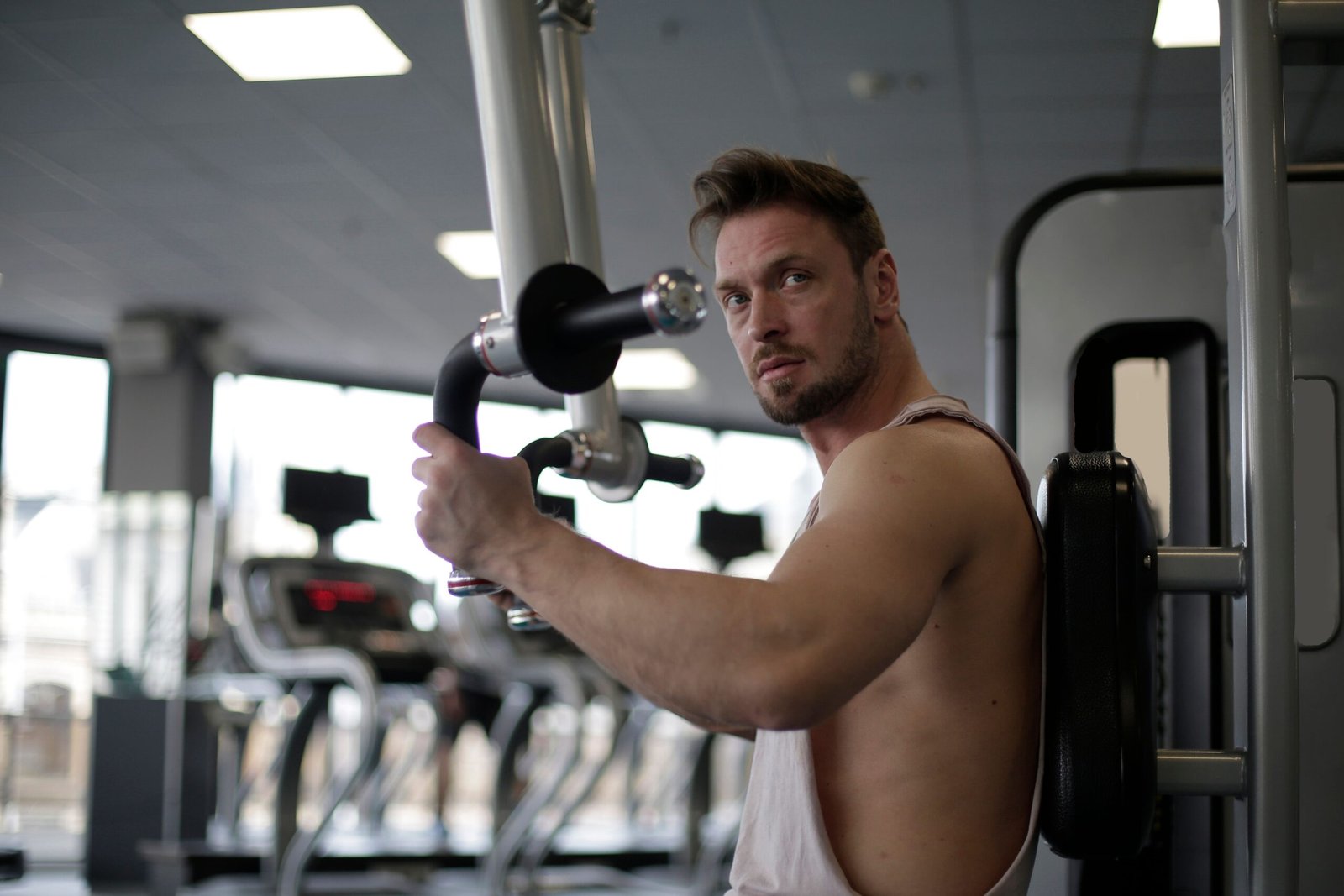
For men in Miami, the forties can expose the difference between being active and being physically prepared for everyday life. Long workdays, family responsibilities, heat, old sports injuries, and years of inconsistent training can make workout habits that once seemed easy harder to maintain.
The answer is not necessarily harder exercise. A better goal is to build a body that stays strong, mobile, energetic, and capable as the years move forward. That means training with enough challenge to create progress while giving recovery, cardiovascular health, mobility, and consistency the attention they deserve.
Choose a Gym That Makes Consistency Easier
A useful fitness plan starts with an environment you can realistically return to several times a week. Before choosing a facility, think about your schedule, preferred training style, commute, and whether you need equipment, classes, or professional guidance. A gym that fits the rhythm of your week removes one common excuse for skipping training.
If you’re interested in joining a gym Miami offers plenty of options, so evaluate them according to the routine you actually intend to follow. If strength is the priority, look for adequate resistance equipment and space to train comfortably. If you need structure after years away from exercise, personal training or small-group sessions may make the transition easier.
Convenience matters because even a well-designed program cannot accomplish much when getting to your workouts repeatedly feels like a logistical project.
Rebuild Strength Around Movements You Need
Strength in your forties is not just about how much weight you can lift. It supports everyday tasks, recreational activities, and the ability to remain physically capable later in life.
Build training around fundamental movement patterns such as squatting, hinging, pushing, pulling, carrying, and appropriate single-leg work. The exact exercises can vary according to experience, mobility, equipment, and injury history. Someone with years of lifting experience may train differently from a man returning after a decade away.
Technique should earn priority over ego. Start with loads you can control and progress gradually through additional repetitions, resistance, range of motion, or improved execution.
Make Muscle a Long-Term Asset
Many men spend their twenties training mainly for appearance and then abandon resistance work when life gets busy. The forties are a good time to reconsider muscle as something more practical.
Maintaining muscular strength supports physical function, and resistance exercise can form an important part of a broader healthy lifestyle. A manageable schedule of well-designed strength sessions can provide a foundation without requiring you to organize your entire week around the gym.
Training every muscle into exhaustion is not required. A sustainable program distributes enough work across the week while leaving room for recovery.
Nutrition supports the process too. Regular meals containing adequate protein, fruits, vegetables, whole grains, and other nutrient-dense foods can support training and overall health without requiring an extreme eating plan.
Train Your Heart Without Turning Every Session Into Punishment
Cardiovascular training sometimes becomes an all-or-nothing contest: either a leisurely walk or an exhausting interval session. There is useful territory between those extremes.
Brisk walking, cycling, swimming, jogging, rowing, and other activities can contribute to aerobic fitness. Moderate sessions that allow you to work steadily can complement strength training without making every workout difficult to recover from.
More intense intervals can have a place for appropriately prepared individuals, but they should serve a purpose rather than becoming a weekly test of toughness.
If you have been inactive or have cardiovascular risk factors, symptoms, or medical concerns, discuss an appropriate exercise plan with a qualified healthcare professional before making a major change in training intensity.
Stop Treating Mobility as a Separate Hobby
Mobility work does not have to become a 45-minute ritual performed on a mat. It can be incorporated into warm-ups, strength exercises, and short breaks throughout the day.
Pay attention to the areas that affect your actual movement. Long hours at a desk may leave hips and upper backs feeling stiff. Previous injuries may make certain ranges uncomfortable. Limited ankle movement can influence how some lower-body exercises feel.
Use controlled movement and appropriate range-of-motion work to prepare for the exercises you plan to perform. Strengthening through comfortable ranges can also make mobility work more practical.
Persistent pain is different from ordinary stiffness. Do not repeatedly stretch or train through unexplained pain; seek appropriate professional assessment.
Give Recovery a Place on the Schedule
A workout plan can look excellent and still fail because recovery was treated as whatever happens between sessions.
Sleep deserves particular attention. Training before dawn while regularly sleeping too little may undermine the energy and performance you are trying to improve. Work stress, alcohol, travel, and irregular schedules can also affect how recovered you feel.
Plan demanding sessions around your real week. If a particular workday is consistently exhausting, that may not be the ideal evening for your hardest workout.
Rest days do not have to mean complete inactivity. Walking, gentle mobility, or other light activity can keep you moving without turning recovery into another demanding training session.
Measure What You Want to Preserve
The bathroom scale tells you one thing about your body, but fitness in the forties deserves a wider dashboard.
Track measurements that connect to your goals. Strength can be monitored through exercises, repetitions, and resistance. Cardiovascular progress might show up as improved pace, duration, or perceived effort. Waist measurement, blood pressure, sleep, and other health indicators may also be relevant depending on your circumstances and professional medical guidance.
Include performance that matters outside the gym. Can you carry luggage without struggling? Climb several flights of stairs comfortably? Spend an active day with your family without feeling depleted?
Those outcomes make progress easier to connect with real life and can keep fitness from becoming entirely about appearance.
Build a Plan for the Man You Want to Be at 50
The biggest threat to midlife fitness is often not a lack of knowledge. It is the belief that a workout only counts when there is enough time to do everything.
Create a minimum version of your routine for difficult weeks. That might mean two concise full-body strength sessions and several brisk walks. When time opens up, additional training can return.
Avoid responding to missed workouts with punishment. Doubling the next session or suddenly training every day can create fatigue without restoring consistency. Think in months and years rather than isolated weeks.
Then extend the time horizon. Instead of asking how quickly you can recreate your body at 25, consider what physical abilities you want at 50, 60, and beyond. You may want enough strength to travel comfortably, play recreational sports, carry groceries, work around the house, or stay active with your family.
Regular preventive healthcare belongs in that picture too. Age, family history, medications, existing conditions, and individual risk factors can affect which screenings and health conversations are appropriate. Exercise is valuable, but it is not a substitute for medical care.
The forties do not require surrendering ambitious fitness goals. They simply reward a smarter definition of progress. Strength, aerobic capacity, mobility, recovery, and consistency can work together instead of competing for attention.
Train hard enough to improve, recover well enough to return, and choose routines that fit the life you actually have. The most valuable result is not proving you can still train exactly as you did decades ago. It is building a body that remains useful for the decades still ahead.
 Qamer Javed
  HG Star
  Sky News Agency