

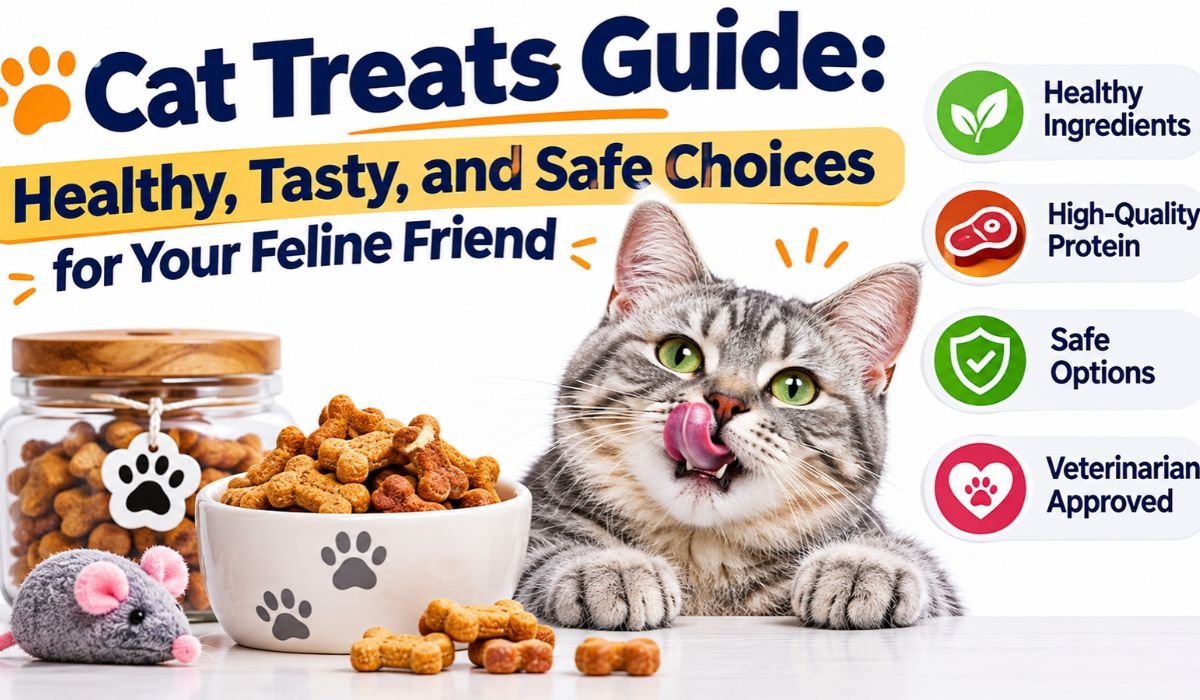
There’s something special about the way cats react to their favorite snacks. One moment, they’re peacefully sleeping on the sofa. The next, they’re racing into the kitchen because they recognize the sound of a treat bag opening. For many cat owners, these little moments are part of what makes living with a feline companion so enjoyable.
But choosing the right Cat Treats involves more than finding a flavor your cat loves. While treats can make training easier, encourage good behavior, and strengthen your relationship with your pet, they also contribute to daily calorie intake. Some contain useful ingredients, while others are better reserved for occasional rewards.
With so many crunchy, soft, creamy, and freeze-dried options available in 2026, it’s worth understanding what you’re actually feeding your cat.
This guide explains the different types of Cat Treats, what to look for on ingredient labels, how much to offer, and which options may suit kittens, adult cats, and seniors. The goal is simple: helping you choose snacks your cat will enjoy without compromising their health.
Quick Bio Information About Cat Treats
| Information | Details |
|---|---|
| Product Category | Pet Snacks And Rewards |
| Main Purpose | Training, Bonding, And Occasional Rewards |
| Suitable For | Adult Cats And Age-Appropriate Kittens |
| Common Flavors | Chicken, Turkey, Tuna, And Salmon |
| Popular Textures | Crunchy, Soft, Creamy, And Chewy |
| Crunchy Cat Treats | Crispy, Bite-Sized Snacks |
| Soft Cat Treats | Tender Snacks That Are Easier To Chew |
| Lickable Cat Treats | Creamy Snacks In Tubes Or Pouches |
| Freeze-Dried Treats | Meat Or Fish With Most Moisture Removed |
| Dental Cat Treats | Specially Formulated Oral-Care Snacks |
| Catnip Treats | Snacks Containing Catnip |
| Recommended Treat Limit | Generally No More Than 10% Of Daily Calories |
| Main Nutritional Concern | Excess Calories And Dietary Imbalance |
| Important Label Information | Ingredients, Calories, And Feeding Directions |
| Common Protein Sources | Chicken, Turkey, Fish, And Other Animal Proteins |
| Popular Brands | Temptations, Greenies, Friskies, And Blue Buffalo |
| Homemade Treat Options | Plain, Thoroughly Cooked, Unseasoned Meat |
| Storage Requirements | Follow Manufacturer Instructions |
| Best Selection Method | Consider Age, Weight, Health, And Preferences |
| Veterinary Guidance | Important For Cats With Special Dietary Needs |
What Are Cat Treats And Why Do Cats Love Them?
Cat Treats are specially prepared snacks intended to reward cats, encourage interaction, or provide an occasional change from their regular meals. Unlike complete and balanced cat food, most treats aren’t designed to meet a cat’s full nutritional requirements.
Cats are obligate carnivores, which means they need certain nutrients naturally found in animal tissues. That’s one reason meat-based flavors such as chicken, turkey, salmon, and tuna are so common in commercial cat snacks.
However, flavor isn’t the only thing that attracts cats to treats. Their sense of smell plays an important role in deciding what they want to eat. A strong, savory aroma may catch a cat’s attention before the food even reaches its bowl.
Texture matters, too. Some cats love biting into crunchy pieces, while others prefer soft snacks or smooth, creamy mixtures.
Every cat has different preferences, and those preferences can change over time. Understanding what your pet enjoys is helpful, but nutritional quality should always remain part of the decision.
Different Types Of Cat Treats Explained
Walk through the pet food aisle, and you’ll quickly notice how many different types of Cat Treats are available. Each variety offers a slightly different experience, and some serve more specific purposes than others.
Crunchy Cat Treats are among the most familiar options. They’re easy to store, simple to portion, and convenient for training. Many cats enjoy their crispy texture, although ordinary crunchy snacks shouldn’t be mistaken for effective dental-care products.
Soft Cat Treats offer a more tender consistency. They’re often appealing to cats that dislike hard snacks, including some older pets. Still, if your cat suddenly struggles to chew, it’s important to investigate the cause rather than simply switching textures.
Lickable Cat Treats have become popular because of their creamy consistency and convenient packaging. Usually sold in tubes or pouches, they allow owners to feed cats directly by hand. Their moisture content can also provide a little extra fluid.
Freeze-Dried Cat Treats often feature meat, poultry, or fish with most of the moisture removed. Some contain only one or two ingredients, making their composition relatively straightforward. However, freeze-drying doesn’t reliably eliminate harmful microorganisms from raw ingredients.
Dental treats are another category worth knowing. Certain specially formulated products may help reduce plaque or tartar, while catnip-containing snacks and edible cat grass can offer different forms of enrichment.
Best Cat Treats For Different Needs And Preferences
There’s no single treat that’s perfect for every cat. The best choice depends on your pet’s personality, eating habits, age, and health.
For training, smaller treats are usually more practical. They let you reward good behavior immediately without interrupting the activity or offering too many calories.
Indoor cats may enjoy treats hidden inside puzzle feeders. Rather than simply eating a snack from your hand, they get to investigate, explore, and work for their reward. It’s an easy way to introduce mental stimulation into an ordinary day.
Picky eaters can be more challenging. Some respond to stronger aromas, while others prefer soft or creamy textures. Trying different varieties gradually can help you discover what appeals to your cat.
Senior cats sometimes appreciate softer snacks, particularly when chewing becomes uncomfortable. However, persistent difficulty eating deserves veterinary attention.
Cats with digestive sensitivities, allergies, or chronic health conditions may need specially selected treats. In those cases, professional advice is more valuable than a product’s advertising claims.
Healthy Cat Treats And Ingredients That Matter
A healthy treat doesn’t need an impressive ingredient list or expensive packaging. What matters most is whether it fits your cat’s nutritional needs.
Animal-based ingredients such as chicken, turkey, and fish are common in cat snacks. They can provide protein, but seeing meat listed on the package doesn’t automatically make one product healthier than another.
Limited-ingredient treats may be useful when you’re trying to identify specific ingredients. Still, a shorter ingredient list isn’t necessarily a sign of superior nutrition.
Calories deserve just as much attention. Some tiny snacks contain surprisingly concentrated amounts of energy, especially when they’re dried or rich in fat.
Moisture content also makes a difference. Creamy treats generally contain more water than crunchy varieties, although they can’t replace a reliable supply of fresh drinking water.
Before buying, read the ingredient list, calorie information, and feeding directions. Clear labeling tells you far more than broad marketing terms such as “premium” or “natural.”
Ingredients And Cat Treats To Avoid
Not everything that tastes good to humans is safe for cats. In fact, several familiar foods can cause serious health problems.
Chocolate, onions, garlic, alcohol, and caffeine should never be offered as cat snacks. Highly seasoned leftovers, salty foods, and fatty table scraps are also best avoided.
Cooked bones present another danger because they can splinter and cause injuries. Oversized or extremely hard treats may create choking hazards or damage teeth.
Raw meat and raw freeze-dried products require particular care. These foods can carry harmful bacteria, and removing moisture doesn’t necessarily make them microbiologically safe.
It’s also important to remember that natural ingredients aren’t automatically harmless.
Cats with diabetes, kidney disease, allergies, or other medical conditions may need additional restrictions.
If your cat eats something potentially toxic, contact a veterinarian immediately. Don’t attempt to induce vomiting or try home remedies unless a veterinary professional specifically instructs you to do so.
Popular Cat Treat Brands And What They Offer
Several familiar pet food brands offer treats designed for different preferences and feeding situations.
Temptations is widely associated with crunchy and soft-centered snacks in popular flavors. Greenies offers dental-focused products, including varieties formulated to support oral hygiene.
Friskies provides flavored snack options, while Blue Buffalo sells treats featuring different meat-based ingredient combinations.
For owners interested in freeze-dried products, Vital Essentials offers animal-based snacks. Meanwhile, Delectables specializes in creamy, lickable treats that may appeal to cats preferring softer textures.
Other brands, including Meow Mix and BONKERS, provide additional choices.
Rather than selecting a product simply because it’s popular, compare ingredients, calories, serving sizes, and suitability for your cat.
Customer reviews can offer insight into flavor preferences, but they don’t prove that a product is nutritionally superior.
Because formulas, prices, and availability may change, always check the current package before purchasing.
How To Choose The Right Cat Treats
Finding suitable Cat Treats becomes easier once you know what to look for.
Start with your cat’s age, body condition, activity level, and general health. A healthy adult cat might enjoy crunchy snacks, while a cat with chewing difficulties may find softer treats more comfortable.
Next, examine the calorie content and recommended serving size. Treats that look small can still contribute significantly to daily energy intake.
The size and texture of individual pieces matter, especially for kittens and smaller cats.
When introducing something new, offer a small amount first. Avoid changing several treats at once because doing so makes it harder to identify the cause of a reaction.
Keep an eye out for vomiting, diarrhea, itching, or unusual behavior after feeding.
And don’t assume the most expensive product is the best. A reasonably priced treat with suitable ingredients and clear nutritional information may be an excellent choice.
How Many Cat Treats Can You Give Daily?
One of the easiest ways to make treat feeding healthier is to pay attention to portions.
Veterinary nutrition guidance commonly recommends that treats and other dietary extras make up no more than 10% of a cat’s daily calorie allowance.
Imagine your cat needs approximately 200 calories per day. Under that guideline, treats and other extras would account for no more than about 20 calories.
If a particular treat contains two calories, that works out to ten treats, provided no other extras are being offered.
Of course, this is only an example. Your cat’s actual calorie needs depend on factors such as weight, body condition, age, activity level, and health.
The important point is that treats aren’t calorie-free simply because they’re small.
Regularly offering extra snacks without accounting for their calories can contribute to unwanted weight gain. Cats on therapeutic diets may need even more specific feeding instructions.
Can Kittens Eat Cat Treats Safely?
Kittens can enjoy appropriate treats once they’ve transitioned to solid food, but their growing bodies have different nutritional requirements from adult cats.
During development, kittens need complete and balanced food formulated specifically for growth. Treats should never take the place of those essential meals.
Choose snacks that are suitable for your kitten’s age and small enough to chew and swallow comfortably.
Extremely hard, oversized, or inappropriate pieces can create unnecessary risks.
Always check the manufacturer’s age recommendations before offering a commercial product.
It’s also sensible to introduce new treats gradually and supervise feeding.
Because kittens grow quickly and their energy needs change, your veterinarian can help determine which treats and portions are appropriate.
Cat Treats For Senior Cats
As cats get older, their eating habits sometimes change. A snack they once loved may become less appealing, while softer foods may suddenly seem more attractive.
Soft or creamy treats can be easier for some older cats to manage. However, difficulty chewing, reduced appetite, or unexplained weight loss shouldn’t simply be dismissed as part of aging.
Senior cats may develop conditions such as kidney disease, diabetes, or digestive disorders that affect their dietary needs.
For cats receiving prescription food, even occasional snacks need to fit the recommended feeding plan.
That’s why choosing treats based on current health is more useful than selecting products labeled specifically for older cats.
Regular veterinary checkups can also help identify dental problems and other conditions that influence appetite.
Dental Cat Treats And Oral Health
Dental health is an important part of feline care, and certain treats are designed to provide additional support.
Some specially formulated dental snacks have demonstrated benefits in reducing plaque or tartar buildup. However, not every product marketed for dental health has the same supporting evidence.
The Veterinary Oral Health Council, or VOHC, evaluates submitted evidence for qualifying oral-care products. Products that meet its relevant standards may receive the VOHC seal.
This gives owners a more meaningful way to assess dental claims.
Ordinary crunchy treats shouldn’t automatically be considered effective dental products simply because they’re hard.
Even proven dental treats aren’t substitutes for professional veterinary examinations or appropriate toothbrushing.
Persistent bad breath, bleeding gums, drooling, or difficulty eating can signal dental disease and should be checked by a veterinarian.
Natural And Homemade Cat Treats
Making treats at home can be appealing, especially when you want to know exactly what goes into your cat’s food.
Plain, thoroughly cooked chicken or turkey, served without seasoning, skin, or bones, can be an occasional reward for many healthy cats.
However, homemade doesn’t automatically mean healthier.
Even nutritious foods can create dietary imbalance when they’re offered too frequently or replace complete meals.
Avoid adding onions, garlic, sauces, cooked bones, or other potentially harmful ingredients.
Food preparation and storage matter, too. Homemade snacks should be handled hygienically and stored appropriately to reduce the risk of spoilage.
Commercial treats often offer convenient portions and clearer calorie information. Homemade alternatives provide greater ingredient control.
Both approaches can work well when safety, nutritional suitability, and moderation remain the priorities.
Using Cat Treats For Training And Bonding
Treats can be surprisingly useful when teaching cats new behaviors.
Although cats are sometimes described as difficult to train, many respond well to positive reinforcement. When a desirable action is followed immediately by something enjoyable, the cat is more likely to repeat it.
Small, appealing treats can help with carrier training, grooming routines, recall exercises, and simple tricks.
Short sessions generally work better than lengthy training attempts, particularly when your cat is easily distracted.
Puzzle feeders and treat-dispensing toys can also turn snack time into an enriching activity.
Still, rewards should never be used to force an uncomfortable interaction.
Pay attention to your cat’s body language, allow breaks, and keep the experience positive.
Over time, these small interactions can help build trust while making everyday care easier.
Common Mistakes And Proper Cat Treat Storage
It’s easy to become generous with treats, especially when your cat has mastered the art of asking for them.
However, offering snacks every time your pet begs can gradually increase calorie intake and reinforce persistent food-seeking behavior.
Other common mistakes include replacing meals with treats, overlooking serving directions, and introducing several unfamiliar products simultaneously.
Proper storage is another detail owners sometimes forget.
Dry treats should generally be kept sealed in a cool, dry location. Moist snacks and homemade varieties may need refrigeration after opening.
Always follow the instructions printed on the packaging and pay attention to expiration dates.
If treats develop mold, unusual odors, or unexpected changes in appearance, discard them.
Keeping snacks fresh and feeding them thoughtfully helps protect your cat’s health while reducing unnecessary waste.
Final Thoughts
The best Cat Treats aren’t necessarily the most expensive, the most popular, or the ones with the fanciest packaging. They’re the treats your cat enjoys and that fit comfortably into a healthy, balanced diet.
Crunchy snacks, creamy tubes, freeze-dried meat, and dental treats all have their place. What matters is understanding their ingredients, nutritional value, and appropriate serving sizes.
It’s also worth remembering that treats are only one small part of caring for a cat. A comfortable home, regular playtime, gentle attention, and good veterinary care contribute just as much to their well-being.
When you approach treat time with a little knowledge and moderation, those small rewards become more than snacks. They become enjoyable moments that strengthen your relationship with your feline friend while supporting their long-term health.
FAQs About Cat Treats
Are Cat Treats Healthy?
Cat Treats can be part of a healthy feeding routine when they’re suitable for your pet and offered in moderation. Their nutritional value depends on ingredients, calorie content, portion sizes, and your cat’s individual health. Most treats aren’t complete meals, so they should complement rather than replace balanced cat food.
Can Cats Eat Treats Every Day?
Yes, many healthy cats can enjoy small daily rewards. The important thing is keeping treats and other extras within approximately 10% of their daily calorie allowance. Cats with medical conditions or prescription diets may require stricter limits, so veterinary guidance is helpful.
What Are The Healthiest Cat Treats?
There isn’t one treat that’s healthiest for every cat. The best option depends on age, weight, health, and food preferences. Look for appropriate ingredients, clear calorie information, and a suitable texture. Reliable labeling is more valuable than vague claims about premium or natural ingredients.
Are Crunchy Or Soft Cat Treats Better?
Both can be suitable, depending on your cat’s preferences and needs. Crunchy snacks are convenient for portioning, while softer treats may appeal to cats that dislike harder textures. If your cat suddenly struggles to chew, a veterinary examination is more important than simply changing snacks.
Can Cat Treats Cause Weight Gain?
Absolutely. Treats contribute calories, even when they’re small. Offering too many without accounting for the rest of your cat’s diet can lead to unwanted weight gain. Checking serving information and monitoring body condition can help prevent overfeeding.
Are Lickable Cat Treats Good For Cats?
Lickable treats can be enjoyable, particularly for cats that prefer creamy textures. They also provide some additional moisture and can encourage positive interaction during hand-feeding. However, they shouldn’t replace balanced meals or access to fresh drinking water.
Can Cats Eat Homemade Treats?
Yes, certain homemade foods can be suitable occasional snacks. Small amounts of plain, thoroughly cooked chicken are one example. Avoid seasonings, toxic ingredients, and bones. Homemade treats should remain a minor part of the diet unless a qualified professional has formulated them as complete food.
Do Dental Cat Treats Really Work?
Some dental treats can help reduce plaque or tartar when their benefits are supported by product-specific evidence. The VOHC seal can help owners identify products that meet recognized standards. However, dental snacks work best as part of a broader oral-care routine that includes veterinary examinations and appropriate toothbrushing.
Learn more and explore exciting content on: Best Dog Toys for Chewers in 2026: Tough, Safe, and Long-Lasting Picks