

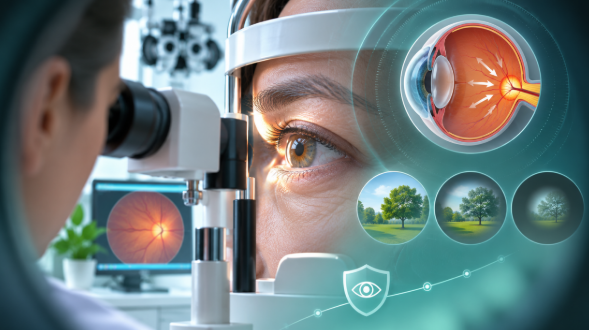
Eye health is an important part of overall well-being, yet some eye conditions can develop without noticeable symptoms. Glaucoma is one such condition. It can gradually damage the optic nerve and affect vision, making early detection and regular eye examinations particularly important.
Understanding glaucoma, its risk factors, and the available management options can help individuals take proactive steps to protect their eyesight.
What Is Glaucoma?
Glaucoma is a group of eye diseases that damage the optic nerve, which carries visual information from the eye to the brain. This damage is often associated with elevated pressure inside the eye, although glaucoma can also occur when eye pressure is within the normal range.
Without appropriate management, glaucoma may lead to progressive vision loss. Glaucoma-related damage is generally irreversible, which is why early detection and treatment are important.
Why Glaucoma Can Be Difficult to Detect
One of the challenges associated with glaucoma is that it may develop slowly without obvious symptoms during its early stages.
Peripheral vision is often affected first, and many individuals may not notice changes until the condition has progressed.
Potential symptoms in more advanced stages may include:
- Gradual loss of peripheral vision.
- Difficulty navigating spaces.
- Changes in visual awareness.
- Blurred vision in certain circumstances.
Sudden eye pain, severe headache, nausea, redness, and blurred vision may indicate an acute eye emergency and require immediate medical attention.
Understanding the Risk Factors
Several factors may increase the likelihood of developing glaucoma.
- Age:Risk generally increases with age.
- Family history:Having relatives with glaucoma may increase personal risk.
- Elevated eye pressure:Higher intraocular pressure is an important risk factor.
- Certain medical conditions:Some systemic health conditions may influence risk.
- Previous eye injuries:Trauma can contribute to certain types of glaucoma.
- Long-term corticosteroid use:Some steroid medications may increase eye pressure in susceptible individuals.
People with risk factors may benefit from regular comprehensive eye examinations, even when their vision appears normal.
How Is Glaucoma Diagnosed?
Glaucoma diagnosis involves more than measuring eye pressure. A comprehensive assessment may include several tests to evaluate the optic nerve and visual function.
These may include:
- Measuring intraocular pressure.
- Examining the optic nerve.
- Assessing peripheral vision through visual field testing.
- Measuring corneal thickness.
- Evaluating the drainage angle.
- Using imaging technology to assess optic nerve structures.
Individuals researching specialist care may look for a glaucoma eye specialist to understand the diagnostic and management services available for this condition.
Treatment Options for Glaucoma
Although glaucoma damage cannot generally be reversed, treatment can help reduce the risk of further progression.
Prescription eye drops: These are commonly used to lower eye pressure by reducing fluid production or improving drainage.
Laser treatment: Certain laser procedures can help improve fluid drainage or reduce pressure inside the eye.
Surgery: When medications or laser treatment are insufficient, surgical procedures may be recommended to improve drainage and control eye pressure.
The appropriate treatment depends on the type of glaucoma, its severity, the patient’s eye health, and other individual factors.
The Importance of Regular Eye Examinations
Routine eye examinations can help detect glaucoma before noticeable vision changes occur. People with a family history of glaucoma or other risk factors may require more frequent assessments.
Consulting an eye-care professional found through searches such as “eye doctor Calgary” can help individuals understand the importance of comprehensive eye examinations and discuss appropriate screening based on their risk factors and eye health.
Following treatment recommendations and attending regular follow-up appointments are important parts of glaucoma management.
Final Thoughts
Glaucoma is a serious eye condition that can gradually affect vision without early warning signs. Although vision loss caused by glaucoma cannot generally be restored, early diagnosis and appropriate treatment can help preserve remaining vision and reduce the risk of further damage.
Regular eye examinations, awareness of risk factors, and consistent treatment are important steps towards protecting long-term eye health.
 Sumbal Noor
 Admin
 IQ newswire