

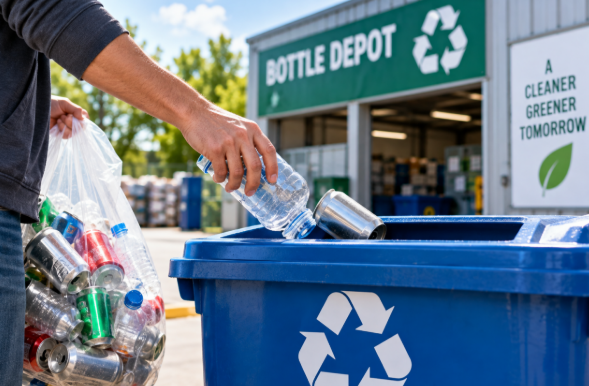
Beverage container recycling is an important part of responsible waste management in Canadian communities. Every day, households purchase drinks packaged in plastic bottles, aluminum cans, and glass containers. Once these beverages are consumed, the empty packaging can either become household waste or enter a recycling system where valuable materials are recovered.
Alberta’s deposit-return programme encourages residents to return eligible beverage containers by offering refundable deposits. Understanding how the system works and preparing containers properly can make recycling easier and more convenient.
Understanding Beverage Container Returns
Residents searching online for “bottle depot Calgary” can explore local collection options for returning eligible beverage containers. These facilities provide an organized way to collect, sort, and process empty packaging before it moves to recycling facilities.
Under Alberta’s deposit-return system, consumers pay a refundable deposit when purchasing eligible beverages. Once the contents are consumed, consumers can return empty containers to an authorized collection facility to recover the applicable deposit.
This approach encourages people to treat used packaging as a recoverable resource rather than ordinary household rubbish.
Why Returning Empty Containers Matters
Beverage containers are commonly used in homes, workplaces, restaurants, and public spaces. When large quantities are discarded instead of recycled, they contribute to unnecessary waste.
Returning eligible containers offers several environmental benefits.
Reducing Landfill Waste
Plastic bottles, aluminum cans, and glass containers can take considerable time to break down in the environment. Returning these materials helps divert them from general waste disposal and reduces pressure on landfill facilities.
Conserving Natural Resources
Manufacturing new packaging requires raw materials such as petroleum, minerals, and sand. Recycling helps recover existing materials, reducing the need to extract additional resources.
Supporting Energy Efficiency
Producing certain materials from recycled inputs can require less energy than manufacturing them from newly extracted resources. Aluminum recycling, in particular, can save significant energy.
Preventing Environmental Pollution
Discarded beverage containers can contribute to litter in parks, streets, waterways, and natural habitats. Proper collection helps keep these materials within organized recycling systems.
How to Prepare Containers Before Returning Them
Preparing beverage containers before visiting a collection facility can make the process more efficient.
Consider these practical steps:
- Empty all remaining liquids from bottles and cans.
- Keep beverage containers separate from general household rubbish.
- Organize different materials according to collection requirements.
- Use durable bags or containers for transportation.
- Check whether unusual beverage packaging qualifies for a refund.
Households that regularly collect large quantities can establish a dedicated storage area. This prevents empty packaging from spreading throughout the home and makes return trips easier to organize.
Finding a Convenient Container Return Location
Convenience plays an important role in developing consistent recycling habits. Residents often use online searches to compare collection facilities and identify suitable locations.
For example, searching online for “bottle return depot near me” can help consumers explore nearby options and choose the facility that best suits their needs.
Before travelling, residents should consider operating hours, accepted container types, accessibility, parking arrangements, and return procedures.
Choosing a convenient location can make regular returns easier, particularly for households that collect containers throughout the week.
Making Container Returns a Regular Habit
Developing a consistent routine can prevent empty beverage containers from accumulating unnecessarily.
Families can place a dedicated recycling bin in the kitchen, garage, or another suitable storage area. Everyone in the household can contribute by placing eligible empty containers in the designated collection space.
Planning return visits around regular errands, such as grocery shopping, can also save time. Households with larger collections may prefer scheduled visits rather than waiting until storage becomes inconvenient.
Community organizations can apply similar practices when arranging collection activities for fundraising or environmental awareness projects.
The Importance of Community Participation
Successful recycling programmes depend on participation from individuals, families, and businesses. Schools can introduce educational activities that explain the importance of recovering recyclable materials, while workplaces can encourage employees to separate eligible beverage containers from general waste.
Community fundraising initiatives can also involve collecting empty containers and recovering their refundable deposits. These activities support local projects while promoting responsible disposal habits.
When more residents participate, the combined impact can help keep public spaces cleaner and improve waste management.
Final Thoughts
Returning eligible beverage containers is a simple but valuable way to support environmental sustainability. Alberta’s deposit-return programme encourages responsible disposal while allowing consumers to recover refundable deposits.
By preparing containers properly, choosing convenient collection facilities, and returning them regularly, Calgary residents can help reduce landfill waste, conserve natural resources, and support a more sustainable recycling system.