

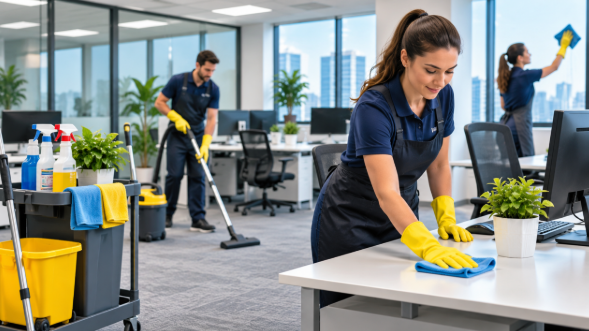
A well-organized workplace reflects a business’s standards and professionalism. Employees perform better when their surroundings are clean, comfortable, and properly maintained. However, keeping an office in good condition requires more than occasional dusting or vacuuming. It requires regular maintenance, attention to high-traffic areas, and cleaning practices suited to different workplace surfaces.
A consistent cleaning routine can help businesses maintain a welcoming environment while protecting office interiors and supporting everyday operations.
Why Businesses Should Prioritize Office Cleanliness
Offices experience continuous activity throughout the working day. Employees use shared desks, meeting rooms, washrooms, kitchens, and reception areas, allowing dust and dirt to accumulate quickly.
Businesses comparing office-cleaning providers through searches such as “office cleaning Calgary” should assess how often different areas are used and identify spaces that need extra attention.
Regular cleaning helps maintain presentable surroundings, reduces dust buildup, and keeps shared facilities comfortable for employees and visitors.
Understanding the Cleaning Requirements of Different Areas
Not every part of an office requires the same cleaning approach. Some spaces need daily attention, while others benefit from scheduled deep cleaning.
Reception and waiting areas
Reception spaces create the first impression for visitors. Floors, furniture, glass doors, and reception desks should be maintained regularly to keep the entrance welcoming.
Workstations and individual offices
Desks, chairs, keyboards, and other frequently handled equipment can collect dust and dirt. Regular surface cleaning helps maintain an organized working environment.
Washrooms
Washrooms require consistent sanitation because they are shared by multiple employees and visitors. Toilets, sinks, taps, mirrors, and frequently touched surfaces should receive appropriate attention.
Kitchen and break rooms
Food preparation areas can quickly develop spills, stains, and unpleasant odours. Counters, sinks, refrigerators, and shared appliances should be cleaned regularly.
Selecting Suitable Office Cleaning Solutions
Choosing a cleaning arrangement requires consideration of several factors, including office size, employee numbers, operating hours, and the nature of business activities.
When researching providers through searches such as “Calgary office cleaning services”, businesses should compare cleaning schedules, service coverage, flexibility, and the methods used to maintain different surfaces.
Businesses can also explore the Top 5 Cleaning Companies in Calgary to discover local cleaning providers and compare available services.
It is also important to establish clear expectations regarding daily maintenance and periodic deep cleaning. A detailed service schedule helps prevent overlooked tasks and ensures that important areas receive consistent attention.
Businesses operating during standard working hours may prefer evening or early-morning cleaning appointments to minimize disruption.
Maintaining Office Carpets, Floors, and Furniture
Flooring and furniture experience considerable wear in busy workplaces. Dirt brought inside on shoes can accumulate in carpets, while spills and dust may gradually affect desks, chairs, and other furnishings.
Different materials require appropriate cleaning techniques. Carpets benefit from regular vacuuming and periodic deep cleaning, while hard flooring should be maintained with products suited to its surface.
Upholstered furniture should also receive attention, particularly in reception areas and meeting rooms where visitors frequently sit.
Preventative maintenance can help preserve the appearance of office interiors and reduce the need for premature replacements.
Creating a Practical Cleaning Routine
A structured cleaning schedule makes workplace maintenance easier to manage. Businesses can divide cleaning responsibilities according to frequency and priority.
Daily tasks may include:
- Emptying rubbish bins and replacing liners.
- Cleaning washrooms and kitchen surfaces.
- Disinfecting frequently touched areas.
- Vacuuming high-traffic sections when needed.
- Removing visible spills and dirt.
Weekly activities can include detailed dusting, cleaning interior glass, and maintaining less frequently used spaces. Monthly or periodic tasks may involve carpet extraction, upholstery cleaning, and attention to hard-to-reach areas.
The schedule should be reviewed whenever office occupancy or operational requirements change.
Final Thoughts
A clean workplace supports employee comfort, creates a positive impression on visitors, and helps businesses maintain their facilities. Consistent cleaning practices also protect interior surfaces and make everyday maintenance more manageable.
By understanding the needs of different office areas and setting up a practical cleaning schedule, businesses can maintain organized, hygienic, and professional working environments.