

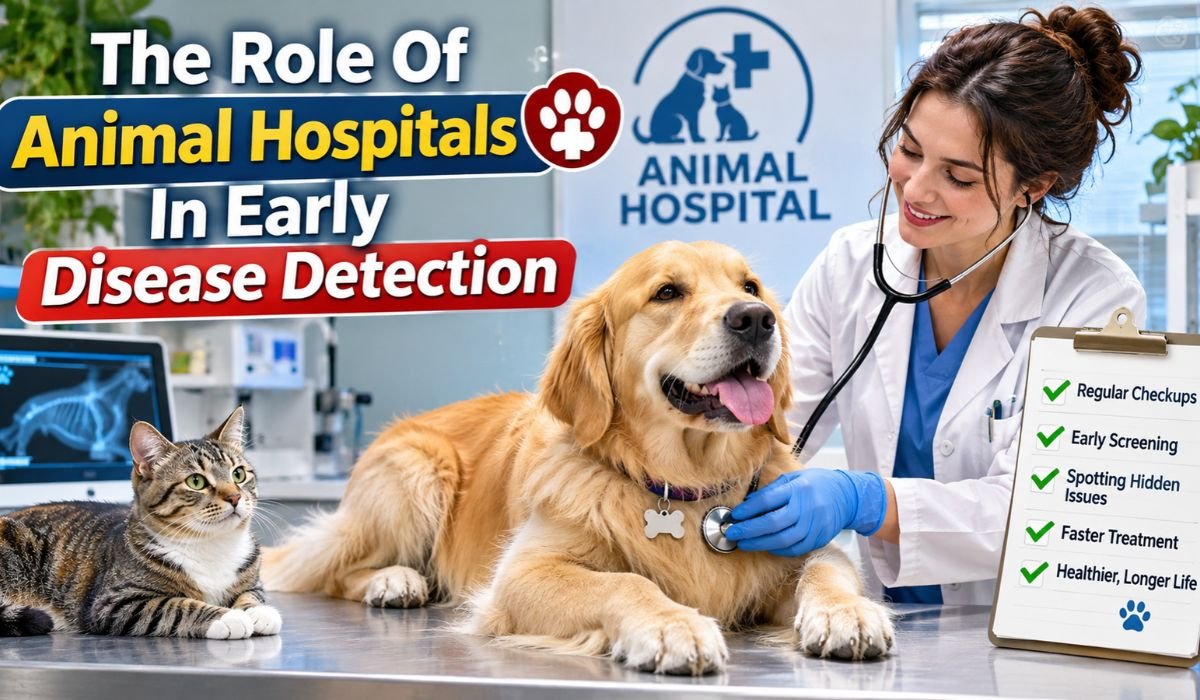
You know your pet’s normal. You notice the slower walk to the food bowl, the nap that runs longer than usual, the change in thirst, the breath that smells a little off. Most of the time, those shifts seem small enough to watch for another day. That is exactly why early illness can slip past even loving, attentive owners, which is why scheduling a visit with a veterinarian in Clifton can make a difference. Disease often starts quietly, and by the time symptoms are obvious, treatment can be harder, more expensive, and more stressful for everyone in the house.
The role of animal hospitals in early disease detection is simple and serious. They catch what is easy to miss at home. A good exam, routine lab work, and a trained eye can uncover infection, pain, organ problems, parasites, and chronic disease before a pet crashes. That does not erase the worry you feel when something seems off, but it gives you a better shot at timely care and a better outcome.
Animal hospitals catch subtle signs before they turn into emergencies
Pets hide discomfort well. Dogs still wag when they are sick. Cats often withdraw so quietly that the change looks like a mood shift instead of a warning sign. You might see less interest in play, a small drop in appetite, new accidents in the house, or scratching that seems seasonal. Those details matter because early disease rarely announces itself in a dramatic way.
An animal hospital visit does more than confirm that a pet is “not acting right.” It creates a medical picture. Weight changes can point to thyroid disease, diabetes, kidney trouble, or cancer. Pale gums can suggest blood loss or anemia. A veterinarian may hear a heart murmur before you ever notice exercise intolerance. Skin irritation may turn out to be allergies, mites, or a tick related illness. This is where early disease detection in pets becomes practical, not abstract.
Infections are a good example. Leptospirosis can look like vomiting, lethargy, fever, or refusing food, symptoms that overlap with many other conditions. The Centers for Disease Control and Prevention explains how this disease affects pets and why prompt veterinary care matters on its page about leptospirosis in pets. If you wait for symptoms to become severe, the risk rises for kidney and liver damage.
Tick borne illness follows the same pattern. A dog may only seem tired or sore at first. You might think it is age, weather, or a rough day at the park. The CDC also offers guidance on preventing ticks on pets, and prevention works best when it is tied to regular veterinary checks that catch problems before they spread.
Routine screening at an animal hospital lowers medical and financial strain
Many owners put off visits because they fear the bill, and that fear is real. Veterinary care costs money, and unexpected testing can feel overwhelming. Delaying care often costs more. A urinary tract infection caught early may need an exam, a urinalysis, and medication. The same infection left untreated can become a painful emergency, lead to blockage, or affect the kidneys. The emotional cost rises with the financial one.
Routine screening is where the importance of veterinary hospitals shows up most clearly. Annual or twice yearly exams for older pets can reveal trends instead of isolated problems. Bloodwork can show liver changes before jaundice appears. Dental disease can be treated before it drives bacteria deeper into the body. Weight gain can be addressed before arthritis worsens under extra strain.
Animal hospitals also help protect your household. Some diseases and parasites move between animals and people. The CDC provides healthy pets clinical resources that reflect how closely animal and human health can overlap. Early detection is not only about extending a pet’s life. It also reduces exposure risks in homes with children, older adults, or anyone with a weakened immune system.
Home observation and professional veterinary care serve different roles
You are the first line of defense because you see your pet every day. An animal hospital is the second line because it can test, diagnose, and treat what home monitoring cannot. Both matter, but they are not interchangeable.
| Home Observation | Animal Hospital Evaluation | Likely Benefit |
|---|---|---|
| Noticing lower appetite or energy | Physical exam and temperature check | Finds fever, pain, dehydration, or hidden injury early |
| Seeing increased thirst or urination | Bloodwork and urinalysis | Can detect diabetes, kidney disease, or infection sooner |
| Spotting scratching, hair loss, or skin redness | Skin tests, parasite screening, and medication review | Identifies allergies, mites, fleas, or infection |
| Finding a lump during petting | Measurement, needle sample, or imaging | Helps separate benign masses from urgent concerns |
| Seeing stiffness or slower movement | Orthopedic exam and pain assessment | Supports earlier treatment for arthritis or injury |
This is the practical side of animal hospital care. You bring context. The veterinary team brings tools and training. Together, those small clues turn into answers.
Three steps help you act before symptoms spiral
Track changes in a simple way. Write down appetite, water intake, bathroom habits, energy, coughing, vomiting, scratching, and weight if you can measure it. Patterns are easier to catch on paper than in memory. If your pet has a “weird day,” you will have something concrete to compare.
Keep wellness visits on a schedule that fits your pet’s age and risk. Young healthy pets still need routine exams. Senior pets often benefit from more frequent visits because disease moves faster with age. If your pet spends time outdoors, boards often, or has chronic issues, regular screening matters even more.
Do not wait for certainty before calling. Owners often think they need stronger proof before making an appointment. You do not. A call after two days of reduced appetite, a sudden behavior shift, or a new limp is reasonable. Early guidance may lead to home monitoring, a same week visit, or urgent care. Any of those paths is better than guessing alone.
Early detection gives your pet more options
You are not overreacting when you pay attention to small changes. That instinct protects your pet. The role of animal hospitals in early disease detection is to turn those uneasy observations into timely care, clearer answers, and better treatment options before illness takes over the picture.
If your pet seems different, schedule an exam with an animal hospital and get ahead of the problem while the signs are still small.
 IQ newswire
 Apex Apex