

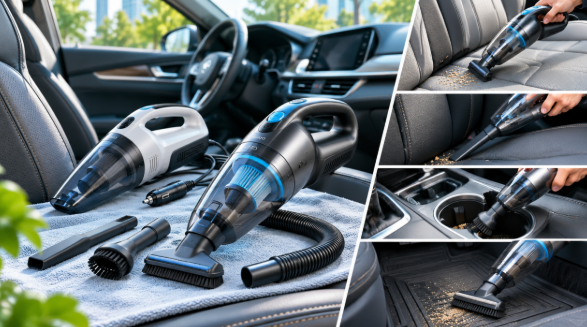
A clean vehicle interior makes driving more comfortable. However, dust, food crumbs, pet hair, and everyday debris can quickly accumulate on seats, carpets, floor mats, and other surfaces. While exterior washing receives plenty of attention, interior maintenance is equally important.
Regular vacuuming helps remove loose dirt before it becomes embedded in upholstery and carpeting. Choosing the right equipment and following an organized approach can make interior maintenance easier and more effective.
Why Interior Vacuuming Should Be Part of Regular Maintenance
Vehicle interiors experience constant use. Passengers bring in dust from their shoes, small particles collect around seat edges, and debris can settle in hard-to-reach areas.
Regular vacuuming helps:
- Remove loose dirt and dust from carpets.
- Reduce the accumulation of crumbs and debris.
- Keep floor mats cleaner.
- Improve the overall appearance of upholstery.
- Maintain a more comfortable cabin environment.
Drivers comparing providers found through searches such as “self car wash near me” can also consider whether nearby facilities offer convenient vacuuming equipment alongside exterior washing services.
What Makes a Good Car Vacuum?
Not every vacuum is designed for automotive cleaning. Vehicle interiors include narrow gaps, curved surfaces, and different upholstery materials that require suitable attachments and strong suction. Drivers searching online for “car vacuum near me” can compare nearby washing facilities to find locations offering accessible vacuum stations for routine interior cleaning.
Here are some features worth considering.
1. Strong Suction Performance
A vacuum with adequate suction can remove dust, sand, crumbs, and other debris from carpets and floor mats. Consistent performance matters, especially when cleaning heavily used vehicles.
2. Useful Attachments
Crevice tools help reach narrow spaces between seats and around centre consoles. Brush attachments can help remove dust from fabric surfaces and ventilation areas.
3. Hose Length and Accessibility
A flexible hose makes it easier to clean rear seating areas, boot spaces, and difficult-to-reach corners without constantly repositioning the equipment.
4. Easy Maintenance
Vacuum filters and collection containers should be straightforward to clean. Regular maintenance helps preserve suction performance and prevents accumulated dirt from affecting the equipment.
Where to Focus When Vacuuming a Vehicle
A systematic approach helps ensure that less visible areas receive attention.
Floor Mats and Carpets
Remove floor mats before vacuuming. Shake them outside to loosen larger debris, then clean both sides thoroughly.
Vacuum the underlying carpets, paying attention to corners and areas underneath the pedals.
Seats and Upholstery
Use an appropriate attachment to remove dust and crumbs from seat surfaces. Move along stitching, seams, and gaps where debris commonly collects.
Leather seats require different care from fabric upholstery, so avoid using abrasive attachments that could damage delicate surfaces.
Between Seats and Centre Console
These areas often collect small particles that are overlooked during routine cleaning. A narrow crevice attachment can help remove accumulated debris without requiring extensive dismantling.
Boot and Cargo Area
The boot frequently collects shopping debris, outdoor dirt, and items carried during everyday journeys. Remove loose belongings before vacuuming the carpet and corners.
Common Interior Cleaning Mistakes
Some cleaning habits can make interior maintenance less effective.
- Vacuuming too quickly: Rushing through the process may leave dirt trapped in carpet fibres.
- Ignoring hidden areas: Seat rails, door pockets, and narrow gaps can collect considerable debris.
- Using unsuitable attachments: Hard or abrasive tools may damage sensitive interior materials.
- Neglecting floor mats: Dirty mats can reintroduce debris into an otherwise clean cabin.
Allowing enough time for each section generally produces better results.
How Often Should You Vacuum Your Vehicle?
The ideal cleaning frequency depends on driving habits, passenger numbers, and environmental conditions.
Vehicles used for daily commuting may benefit from weekly vacuuming, while cars exposed to construction sites, unpaved roads, or outdoor activities might require more frequent attention.
Families travelling with children may also notice food crumbs and everyday debris accumulating faster.
A quick weekly interior inspection can help identify areas that need cleaning before dirt becomes difficult to remove.
Final Thoughts
Maintaining a clean vehicle interior requires consistency and appropriate equipment. Regular vacuuming helps control dust, crumbs, and loose debris while improving the cabin’s overall appearance.
By choosing suitable attachments, cleaning hard-to-reach areas, and setting up a practical maintenance schedule, motorists can keep their vehicles more comfortable and organized year-round.
 Blitz Blitz