
Online face swapping is fun, fast, and much better than it was a few years ago. It can help you make a birthday joke, test a character look, create social clips, or fix a creative project without hiring a full editing team. But it also raises fair questions: Where does your photo go? Can someone misuse it? What should you avoid uploading?
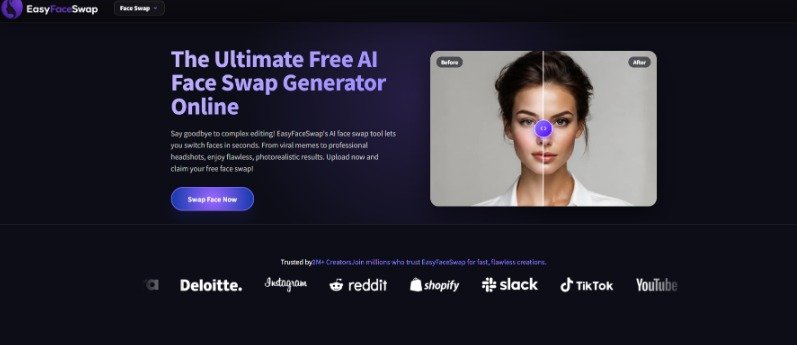
I’ve tested a lot of browser-based creative tools for client content, social campaigns, and quick mockups. The safest experience usually comes from using a focused tool, reading the privacy basics, and treating face images like personal data, not like throwaway files. A simple platform such as EasyFaceSwap can be useful because it keeps the process direct, but you still need to use good judgment before uploading any face.
Video raises the stakes because it can look more believable than a still image. If you’re using a tool like Video Face Swap, think about consent, context, and how the final clip could be understood if it gets shared outside your original audience. Safety is less about fear and more about control.
Is online face swapping safe to use?
Online face swapping can be safe when you use a reputable service and upload images you have the right to use. The risk level depends on the platform’s data handling, the type of image you upload, and what you do with the result. A quick joke between friends is very different from swapping a public figure’s face into a realistic video.
The main thing to understand is that a face is biometric data in many contexts. It can identify a person. That means you should treat face photos with more care than a random background image or a product screenshot. If you wouldn’t want a file tied back to your identity, don’t upload it casually.
In my own workflow, I check three things before using any online face tool: does the site explain what happens to uploads, does it avoid asking for more access than needed, and does the output clearly fit a harmless purpose. If one of those feels off, I don’t use it. That simple pause prevents most problems.
Here’s a quick way to think about common face swap use cases:
| Use case | Risk level | Safer approach |
|---|---|---|
| Swapping your own face into a meme | Low | Use your own photo and keep it light |
| Making a private joke with a friend | Medium | Ask first and avoid sensitive images |
| Editing a public figure into a realistic scene | High | Avoid misleading or political context |
| Using a child’s face | High | Get parent consent and avoid public sharing |
| Creating ads or brand content | Medium | Use model releases and written approval |
What happens to my photos after I upload them?
When you upload a photo to an online face swap tool, the service needs to process it on a server or through a browser-based system. It detects facial features, maps the face, blends skin tone and lighting, then creates the new image or video. That process can be quick, but the upload still matters because your file has left your device unless the tool clearly says processing happens locally.
A trustworthy service should explain how long files are kept, if they’re deleted automatically, and if uploads are used for training or product improvement. Privacy policies can be dry, but you don’t need to read them like a lawyer. Look for plain answers about storage, deletion, third-party sharing, and user rights.
Be careful with tools that are vague about data use or push you to upload more than necessary. A face swap tool doesn’t need your address book, exact location, or social account access just to edit a photo. If a site asks for broad permissions, that’s a warning sign.
I also recommend using clean source files. Don’t upload a full-resolution family archive if a cropped image will do. Remove extra people from the frame when possible, and avoid screenshots that show names, messages, addresses, school logos, work badges, or private spaces in the background.
Can face swapping be used for scams or deepfakes?
Yes, face swapping can be misused. That doesn’t mean every face swap is dangerous, but it does mean the technology has real abuse cases. Scammers can use fake images or videos to impersonate people, support romance scams, create fake endorsements, or make a person appear to say or do something they never did.
The most harmful cases usually involve realism plus false context. A silly costume swap is easy to read as a joke. A realistic video of someone in a news-style clip, workplace setting, or private situation can cause damage if viewers believe it’s real. That’s why consent and labeling matter.
If you create a face swap for fun, make the context clear. Share it where people understand the joke. Don’t use it to embarrass someone, pressure them, or make them look guilty, romantic, political, drunk, nude, or violent. Those lines matter even if the edit started as a joke.
There’s also a personal safety angle. If someone sends you an urgent video message asking for money, access, or sensitive data, don’t trust the video alone. Call the person on a known number, ask a question only they would know, or verify through another channel. Face and voice tools are good enough now that “it looked like them” isn’t proof.
How do I choose a safer face swap website?
Start with transparency. A safer face swap website tells you what it does with uploads, how results are generated, and what limits apply. It should not bury basic answers behind confusing language or force you into an account before you can understand the service.
Look at the page experience too. A site covered in aggressive pop-ups, fake download buttons, or strange redirects is not worth the risk. I’ve seen creative tools that work fine, but the ad environment around them is messy. If you can’t tell which button is real, leave.
Quality also matters for safety. Poor face swaps can create weird artifacts, but highly realistic swaps can create confusion. The best tool is not always the one that makes the most believable fake. It’s the one that gives you control, produces the result you need, and supports responsible use.
For work projects, I treat face swapping like any other content production step. I get written approval from the person whose face is used, save the source of that approval, and make sure the final asset matches the agreed purpose. If the content will run in ads, email, paid social, or a public campaign, casual permission is not enough.
What are the safest rules for using face swap tools?
The safest rule is simple: use your own face, or get clear consent from the person whose face you’re using. Consent should match the situation. A friend saying “that’s funny” in a group chat is not the same as agreeing to have their face used in a public video or a brand campaign.
Avoid uploading sensitive photos. That includes IDs, medical images, school photos, workplace badges, intimate images, and anything involving children unless there is a clear and appropriate reason. Even then, I’d be very cautious about public sharing. Kids can’t fully understand long-term digital exposure, so adults need to be more protective.
Think before posting the result. Once a swapped image or video is downloaded, shared, or reposted, you may lose control over it. A private joke can become public through one screenshot. If the edit would upset the person in it, damage their reputation, or confuse viewers, don’t post it.
It also helps to keep your accounts secure. Use a strong password if you create an account, avoid reusing passwords, and don’t sign in through platforms you don’t need to connect. If a tool offers deletion options, use them after you finish the project. Keep only the final files you truly need.
Online face swapping is safe enough for many creative uses, but it’s not risk-free. The best approach is to use trusted tools, upload only what’s needed, get consent, and avoid anything that could mislead or harm someone. If you follow those basics, face swapping can stay where it belongs: a useful creative tool, not a privacy problem.
 Admin
Admin  Spero Agency