

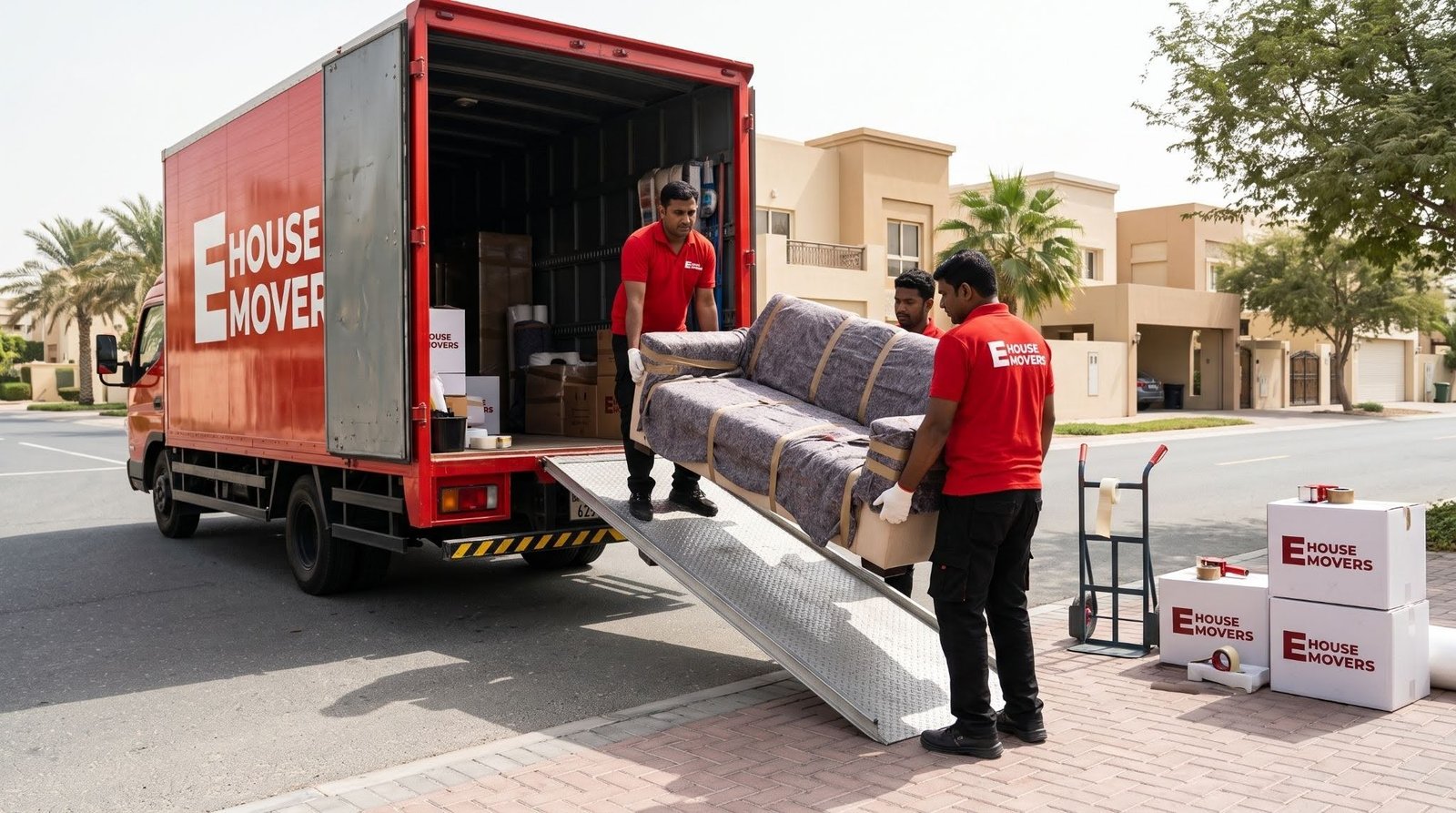
Furniture is usually the most valuable and most vulnerable part of any move, which is why choosing the right furniture movers in dubai matters more than most people expect. Clothes can be folded into boxes and kitchenware can be wrapped in paper, but a solid wood wardrobe, a marble dining table, or a large leather sofa has to be lifted, tilted, carried through narrow spaces, and loaded without a scratch. When that goes well, nobody notices. When it goes badly, the damage is visible immediately and often impossible to repair.
The market for furniture movers in dubai is wide, and the gap in skill between providers is just as wide. Some teams are trained, properly equipped, and experienced with the way Dubai buildings work. Others are simply a vehicle and a few people who will do their best on the day. Both will quote a price and both will say they are careful, so the difference rarely shows until a corner is chipped or a table leg snaps. This guide shows you how to see that difference before you book, by focusing on the things that actually protect furniture.
Dubai also makes furniture moving more demanding than it first appears. Tall towers rely on a single service elevator, building rules limit moving hours, villa communities have gated access, and summer heat makes every task harder. The best furniture movers in dubai plan for all of this in advance. The sections below explain what to look for, from handling methods and equipment and special items, so that you can choose a team whose process matches the value of what they will be carrying.
Understand What Makes Furniture Different from Other Belongings
Furniture is heavy, awkward, and made of materials that react to impact and pressure. Wood scratches and dents, veneer chips along its edges, glass cracks, upholstery tears, and joints loosen when a piece is twisted or dropped. Because furniture is also expensive to replace, the cost of a careless move is far higher than the cost of the move itself.
This is why a general moving service is not always the same as a good furniture moving service. The right team knows how each type of furniture should be lifted, wrapped, and positioned, and treats those steps as routine rather than improvisation.
What Careful Furniture Handling Looks Like
You can learn a great deal about a company by asking how it handles furniture step by step. A professional team will answer without hesitation, because the process is the same on every job.
Protective Wrapping Before Anything Is Moved
Every piece should be covered before it leaves its position. Moving blankets protect surfaces, stretch wrap holds them in place, corner guards protect edges, and upholstered items receive an extra layer against dust and snagging. Wrapping should happen inside the property, not on the truck, so that nothing is exposed during the walk to the vehicle.
Disassembly and Reassembly
Beds, wardrobes, dining tables, and modular units are safer to move in parts. Taking them apart reduces strain on joints and makes it possible to pass through doorways and lifts without force. A good team labels and bags every screw and fitting, keeps hardware with the right piece, and reassembles everything at the destination so it is ready to use. If a company expects you to reassemble furniture yourself, that should be clear before you book.
Correct Lifting and Carrying Technique
Furniture should be lifted, not dragged. Heavy items need two or more people and the right equipment, such as furniture dollies and lifting straps. Teams should know to carry tall pieces in a way that protects both the furniture and the walls, and to protect floors with runners where needed.
Careful Loading and Securing
How a vehicle is loaded affects whether furniture arrives intact. Heavy pieces go on the bottom, fragile or upholstered items sit where they cannot be crushed, and everything is secured so it does not shift while driving. Ask how the team prevents movement and contact damage during transport.
Signs of a Skilled Team
Wrapping done inside the property, labelled hardware, use of dollies and straps, floor and lift protection, a clear loading plan, and calm, organised work from arrival to finish.
Signs of an Unprepared Team
Furniture carried unwrapped, no mention of disassembly, no protective equipment, items stacked loosely on the truck, and a rush to finish rather than a plan to protect.
Check How They Handle Special and High-Value Pieces
Not every piece of furniture is standard. Many Dubai homes include items that need specialist handling, and a company that moves them confidently is usually strong across the board.
- Marble, stone, or glass tabletops that are heavy, brittle, and need careful vertical transport
- Antique or designer pieces whose value far exceeds ordinary furniture
- Large wardrobes and built-in style units that must be disassembled in a specific order
- Pianos and other instruments that need specialist equipment and training
- Mirrors, artwork, and chandeliers that require custom packing and secure placement
- Outdoor furniture and heavy garden pieces common in villa moves
Ask directly whether the company has moved similar items before and how it protects them. A confident, specific answer is a better sign than a general promise to be careful.
The Survey and the Written Quotation
Because furniture varies so much in size and weight, a reliable mover wants to see what is being moved. A short survey, in person or by video call, lets them note the number of pieces, their dimensions, the access routes, and any problem spots such as narrow stairwells or small lifts. From that, they can give you a written, itemised quotation.
Be cautious of prices quoted on the phone without any detail. They are estimates, and estimates tend to change once the team arrives and sees the real job. A written quotation should state what is included, such as wrapping, disassembly, reassembly, and should give a clear total price.
What Happens If Something Is Damaged
Even careful teams occasionally damage a piece, so how a company handles responsibility matters. Ask whether transit is included, what it covers, whether there are limits per item, and how a claim is made. A reliable company will explain this plainly and put it in writing.
Photograph your furniture before the move and note existing marks. If damage occurs, report it on the day, before the team leaves, and keep records. Companies that take their work seriously will treat this as a normal part of the process.
Building Rules and Access in Dubai
Furniture is where building rules bite hardest, because large pieces need the service elevator, wide corridors, and the right hours. Most towers require moving permits, deposits, and elevator bookings, and some limit moves to weekdays or specific time windows. Villa communities may require gate clearance for vehicles.
Good furniture movers handle this coordination as part of the job, and they know how to plan around elevator sizes and access limits. If a company leaves all of it to you, or seems unfamiliar with Dubai buildings, that is a sign of limited local experience.
Questions to Ask Before You Book
- How do you protect furniture before moving it, and what materials do you use
- Do you disassemble and reassemble furniture, and is that included in the price
- What equipment do you bring for heavy or awkward pieces
- Have you moved items similar to mine, such as marble tables or large wardrobes
- Do you carry transit, and how are claims handled
- Will you survey my move first and give a fixed written quotation
- Will you handle building permits and elevator bookings
- Are the movers your own trained staff or temporary workers
Reading Reviews and Red Flags
Reviews are most useful when you look for patterns. Comments that mention careful handling, punctuality, and accurate pricing are encouraging, while repeated reports of scratches, late arrivals, or extra charges are warning signs. Other red flags include a price far below every other quote, refusal to put anything in writing, no clear answer about, and pressure to book immediately.
Conclusion
Choosing the right furniture movers in dubai comes down to looking past the price and checking how a company actually protects what it moves. Careful wrapping, proper disassembly, the right equipment, experience with special pieces, a written quotation after a survey, and familiarity with Dubai’s building rules are the factors that separate skilled teams from the rest. When those boxes are ticked, furniture arrives in the condition it left, the day runs smoothly, and the move becomes what it should be: a well-managed transition rather than a source of damage and stress.
 MUNJAL BLOG
 Backlinks Hub
 Elite Elite