

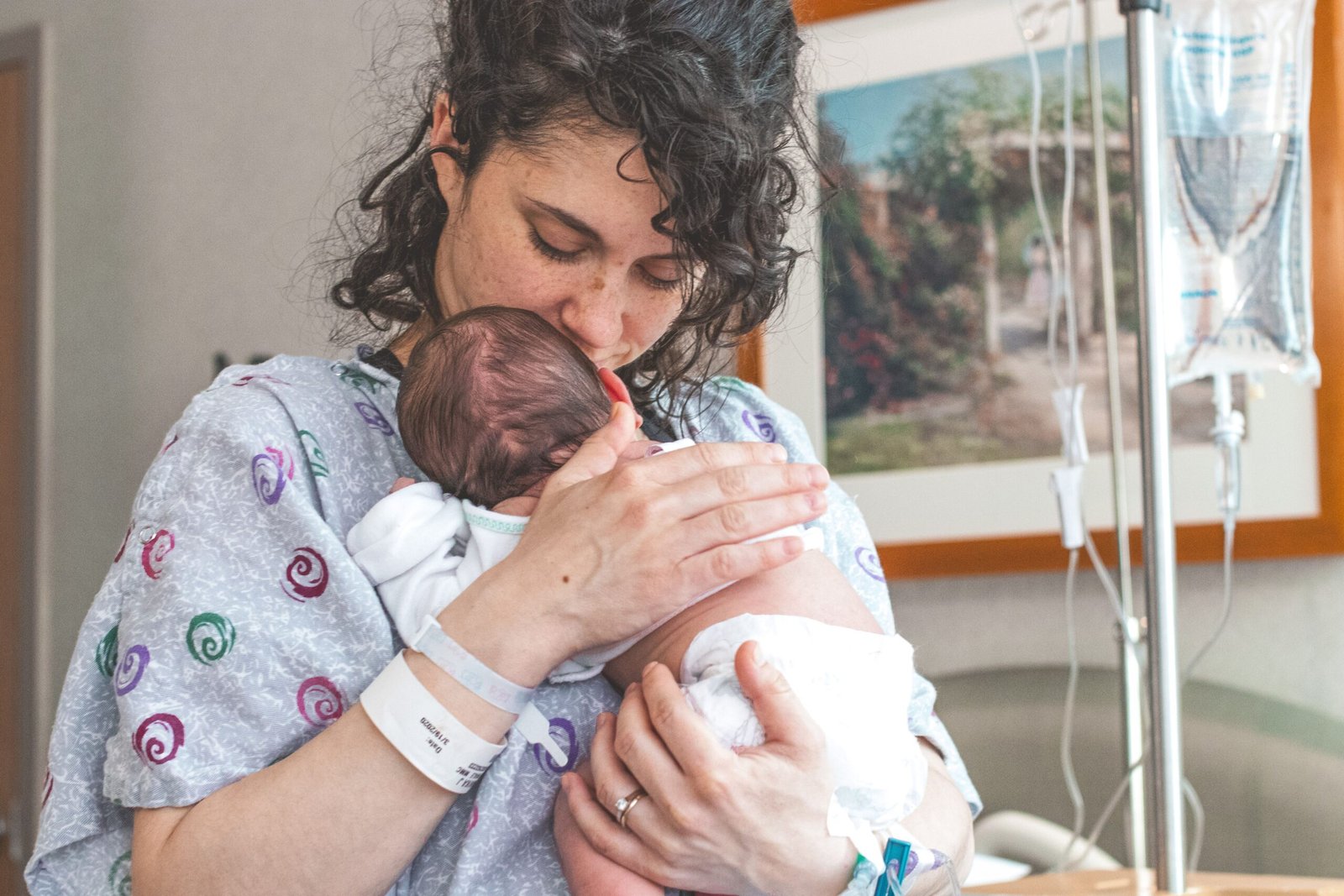
Choosing where to give birth is about much more than picking a room or checking a hospital off a list. Your care team, available medical support, communication style, pain-management options, and postpartum services can all shape the experience. Grants, New Mexico, has an estimated population of about 8,933, making local access an important consideration for families who want maternity care close to home.
The right choice doesn’t have to match someone else’s idea of the perfect birth. It needs to make sense for your medical needs, personal preferences, and the kind of support you want before, during, and after delivery.
Begin With What Matters Most to You
Before comparing facilities or providers, take some time to think about what you actually want from your birth experience.
Maybe you hope for a low-intervention labor with freedom to move around and use different comfort techniques. Perhaps having access to an epidural or other pain-management options is important to you. You may also care deeply about who can be present, how decisions are communicated, or what support is available after the baby arrives.
There isn’t one universally correct birth plan.
A useful starting point is to separate your preferences from the things that are medically necessary. That distinction can help you remain flexible if circumstances change while still making sure your voice is part of the conversation.
When researching birthing services in Grants, NM, look at the entire maternity-care experience rather than focusing only on delivery. Prenatal care, labor support, newborn care, and postpartum follow-up all contribute to how supported you’ll feel throughout the process.
Turn General Promises Into Specific Questions
Words such as “compassionate,” “family-centered,” and “personalized” sound reassuring, but they don’t tell you how care actually works.
That’s why direct questions are valuable.
Ask how pain relief is handled, who is available during labor, what happens if your preferences need to change, and how decisions are communicated. If you have specific concerns about previous births, medications, or possible interventions, bring those up early rather than waiting until you’re in labor.
You may want to ask:
- What pain-management options are available?
- Who is responsible for my care during labor?
- What happens if labor doesn’t progress as expected?
- How are unexpected complications handled?
- What support is available immediately after delivery?
The answers can reveal much more than polished descriptions on a website.
And don’t feel awkward about asking follow-up questions. You are not interviewing someone for a casual service. You’re trying to understand how an important part of your healthcare will work.
Think Beyond the Ideal Birth Plan
It’s natural to picture how you want labor to unfold. At the same time, a birth plan works best when it provides preferences rather than guarantees.
A low-risk pregnancy can still develop unexpected complications. Pain-management needs can change. Labor may progress differently than anticipated. A procedure that wasn’t part of the original plan may become medically appropriate.
That doesn’t mean preparing for every possible scenario.
It means choosing care where the team can explain what is happening and help you understand your options when circumstances change.
Hospital quality information can also be useful when comparing facilities, but ratings should be treated as one source of information rather than the entire decision. A recent overview of hospital ratings notes that measures such as outcomes, infections, readmissions, evidence-based practices, and patient experience can provide useful context when evaluating healthcare facilities. Understanding Hospital Ratings offers a helpful starting point for thinking about what those ratings can—and cannot—tell you.
Your own medical needs and conversations with your care team still matter most.
Don’t Stop at Labor and Delivery
It’s easy to spend months thinking about the moment of birth and overlook everything that comes immediately afterward.
But postpartum recovery can bring its own questions. You may need help with feeding, pain management, newborn care, or recognizing signs that something isn’t right. Having access to appropriate support can make those early days less overwhelming.
Before making a decision, find out what happens after delivery.
Ask whether support is available for breastfeeding or feeding concerns, how postpartum complications are handled, what follow-up looks like, and what guidance you’ll receive before going home.
The birth itself may be the biggest event, but recovery is a significant part of the experience too.
Pay Attention to How Your Care Team Communicates
Medical expertise is essential, but communication can make a major difference in how confident and informed you feel.
During prenatal appointments, notice how the team responds when you ask questions. Do they explain medical terms clearly? Do they give you enough time to speak? Do they discuss alternatives when appropriate? Do you feel comfortable saying that you don’t understand something?
Those details matter.
Pregnancy and childbirth don’t always follow a predictable script. When plans change, a team that communicates clearly can help you understand what is happening instead of leaving you feeling like events are simply happening to you.
Trust doesn’t mean agreeing with everything your provider says.
It means feeling confident that you can have an honest conversation about your care.
Consider the Practical Side of the Decision
Maternity care has to fit into real life, not just a birth plan.
Think about how far you’ll need to travel for prenatal appointments, how quickly you could reach the facility when labor begins, and whether your partner or support person can realistically be involved. If you have older children, childcare arrangements may also affect what works best.
The everyday details matter, too.
Consider visitor policies, partner accommodations, meals, parking, expected length of stay, and what you’ll need to bring. These aren’t necessarily the most exciting questions, but having answers beforehand can eliminate unnecessary stress later.
Cost and insurance coverage deserve attention as well. Confirm which providers and facilities are in-network and ask what your policy covers before delivery. Estimates can change depending on how the birth unfolds, so understanding your potential out-of-pocket responsibilities ahead of time can help you plan more realistically.
Local Care Can Offer More Than Convenience
Choosing nearby maternity care isn’t simply about avoiding a long drive.
Regular prenatal appointments are easier to manage when travel is reasonable. Family members may also be able to provide more practical support before and after delivery when care is close to home.
For many families, that convenience can become especially valuable toward the end of pregnancy.
At the same time, proximity should be balanced against your medical needs. If your pregnancy involves complications or requires specialized services, your provider may recommend a higher level of care or a facility equipped to manage those circumstances.
The goal isn’t to choose the closest option automatically.
It’s to find the option that provides the appropriate level of care while fitting realistically into your life.
Give Yourself Room to Change Your Mind
One of the most useful things you can bring into childbirth is flexibility.
You can have preferences without feeling that you’ve failed if the final experience looks different. A birth plan isn’t a contract with the delivery room. It’s a way to communicate what matters to you while recognizing that medical circumstances can change.
That mindset can take some pressure off.
You can prepare for the experience you hope to have while trusting your care team to respond appropriately if something unexpected happens.
Choose With Confidence, Not Pressure
Once you’ve gathered the information, step back and look at the bigger picture.
Do you feel heard? Does the care available match your medical needs? Are your questions answered clearly? Is the location practical? Do you understand what happens during labor and after delivery?
Those answers are more useful than choosing a facility simply because someone else had a positive experience there.
The right maternity care is ultimately about finding a balance between medical capability, communication, accessibility, and personal fit.
You don’t need a perfect birth plan.
You need a care team you can trust when the plan changes.
And that’s probably the most important thing to know before the big day arrives.
 Admin
Admin