

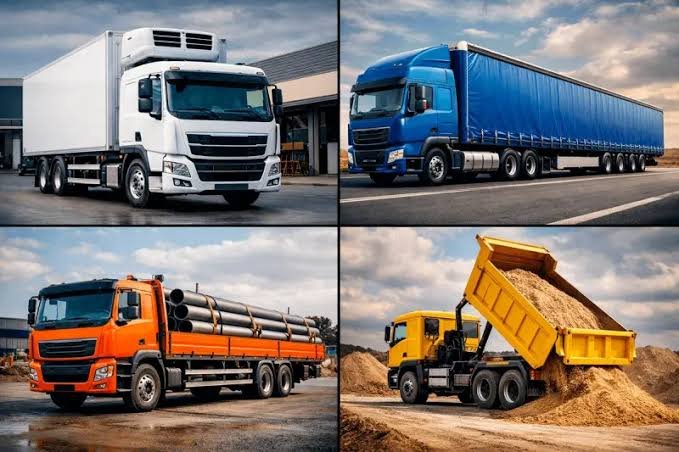
Choosing a commercial truck requires careful consideration of your cargo, routes, operating conditions, and budget. Your freight type should guide decisions about the truck’s engine, horsepower, torque, axle ratio, cab configuration, trailer, and supporting equipment. Matching your semi-truck specifications to your hauling needs can improve fuel efficiency, control operating costs, and support dependable performance. Explore how to choose the right semi-truck configuration for the freight you haul.
Consider the Weight and Size of the Freight
Start by considering the typical weight and dimensions of the loads you plan to carry. A driver hauling relatively light freight might not need the same heavy-duty equipment as someone regularly moving construction materials, machinery, or other heavy loads. Payload requirements can also influence the engine, transmission, axle configuration, and overall weight capacity you need. If your typical loads approach the truck’s limits, choosing equipment with appropriate capacity becomes especially important.
Common Types of Commercial Freight
Commercial drivers haul many different kinds of freight, and each type can call for a different truck and trailer combination. Here are a few common examples:
- General freight: Dry vans are a common option for packaged goods, retail products, and other cargo that doesn’t need special handling.
- Refrigerated goods: Reefer trailers haul temperature-sensitive freight like food, drinks, and certain pharmaceuticals. Your tractor should be able to support the demands of running a refrigerated trailer too.
- Construction materials: Flatbed trucks and trailers often haul lumber, steel, and other building materials that can be hard to load through a trailer door. Your semi’s engine must be powerful enough to maneuver these heavy loads.
- Liquid cargo: Tanker trucks are designed to transport liquids like fuel, chemicals, food-grade products, and other materials that need to be enclosed in tanks.
Match the Truck to Your Routes
As important as matching the trailer to your cargo is, it’s still only part of the equation. You also need to consider where you will haul it. Long-haul freight might need a sleeper cab with features designed for extended time on the road. Regional or local work might suit a day cab better, which is easier to maneuver and doesn’t have unnecessary sleeper space.
Terrain also matters. Regular mountain routes, construction sites, or poorly maintained roads can put different demands on our truck than mostly flat interstate roads, especially with heavy cargo.
Buying for Your Future Freight
If you haul several types of freight, choosing a versatile truck makes the most sense. But that doesn’t mean you should buy more truck than you actually need. Consider the loads you plan to haul the most, the trailers you’ll use, and the routes you’ll drive. Ultimately, when you’re looking at trucks for sale, the right one fits not only your cargo but also your overall business needs.
 sk news
 Sky Bloom IT