

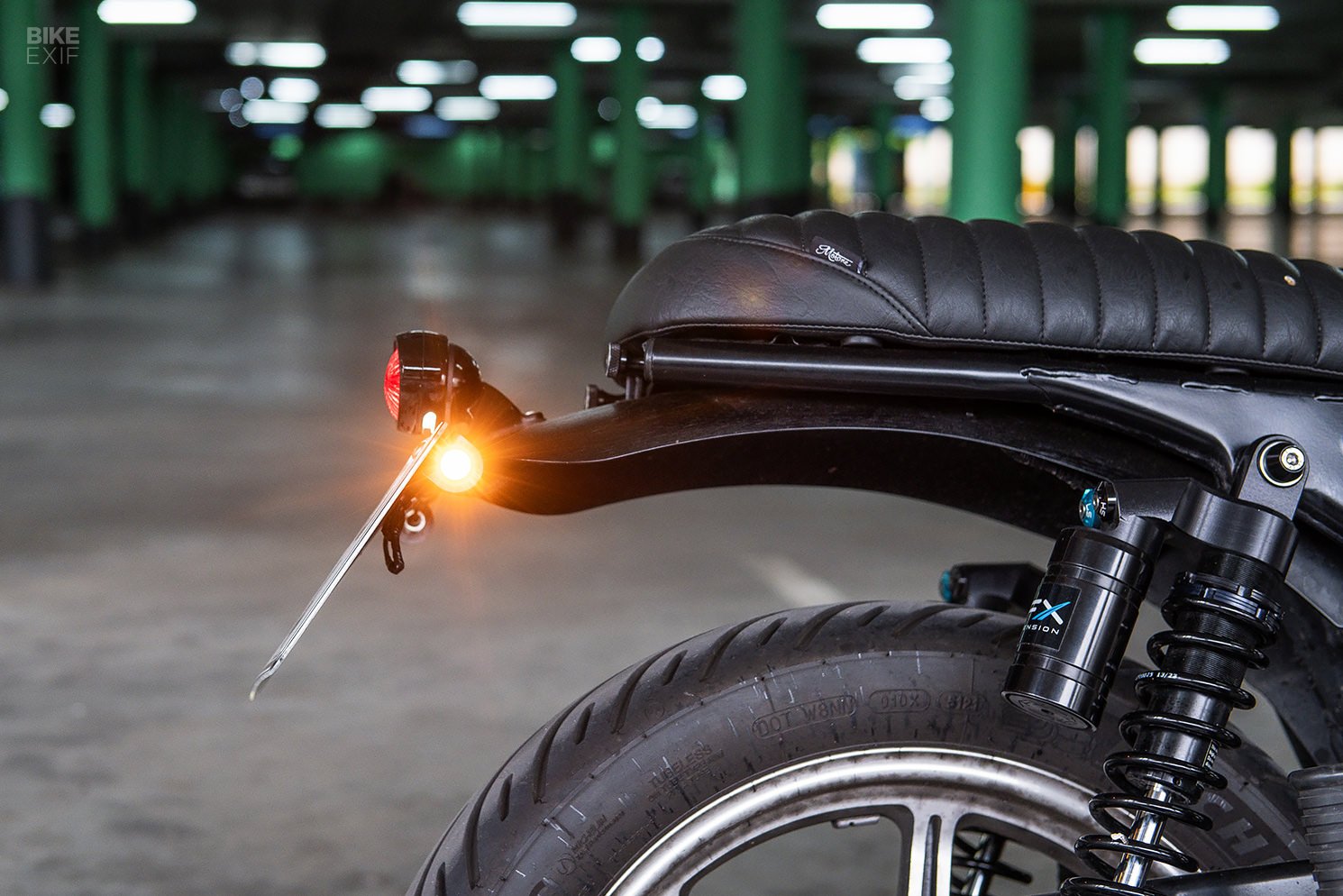
A custom motorcycle can look incredible in the garage and still have one detail that feels completely out of place once it’s on the road. Sometimes, that detail is the tail light. It’s a small component, but it has a surprising amount of influence over how the rear of a bike looks, especially when you’re trying to create a clean, stripped-back design.
Traditional tail lights often have bulky housings that don’t suit a carefully modified rear fender or shortened frame. That’s one reason LED tail lights have become such a popular choice among motorcycle builders. They offer compact designs, bright illumination, and more freedom when deciding how the finished bike should look.
But choosing the right light involves more than finding something small enough to fit. Placement, wiring, visibility, and the overall design all deserve attention.
Small Details Can Change the Entire Rear End
When someone starts planning a motorcycle build, the big changes usually come first. A different seat, a shorter fender, new handlebars, or perhaps a completely redesigned subframe.
Then comes the lighting.
An oversized tail light can interrupt the lines you’ve spent hours getting right. It might stick out too far, sit awkwardly above the license plate, or simply look like it belongs on a different motorcycle.
LED lighting gives builders more options because the individual light sources are relatively small. Manufacturers can arrange them inside narrow housings, round fixtures, or low-profile assemblies without needing the same space as traditional incandescent bulbs.
This flexibility is particularly useful on cafe racers, scramblers, bobbers, and other custom motorcycles where the rear section is deliberately kept simple.
The goal isn’t necessarily to make the light disappear. It’s to make it look like it belongs there.
Brightness Matters More Than Size
There’s a common assumption that a larger tail light must be easier to see. That isn’t always true.
A properly designed LED assembly can produce strong, clearly visible illumination from a compact housing. LEDs also respond quickly when electrical power is applied, which makes them well suited to brake lighting.
However, brightness alone doesn’t determine whether a light works well.
The direction of the light matters. So does the lens design, the viewing angle, and the difference between the normal running-light brightness and the brake-light brightness.
A light that looks impressive when viewed directly from behind might become difficult to notice from the side. That’s a problem on motorcycles because other road users won’t always be positioned directly behind you.
Before choosing a particular design, consider how visible it will be from different positions on the road.
Choosing a Tail Light That Matches Your Build
Not every custom motorcycle benefits from the same lighting arrangement. A compact bobber with a short rear fender has different needs from a scrambler built for rough roads.
For builders exploring Purpose Built Moto LED Tail Lights, the useful starting point is deciding which housing shape and mounting arrangement best suit the motorcycle’s rear section.
Round Lights for Classic Styling
Round tail lights often complement motorcycles with traditional styling. They can work particularly well with vintage-inspired builds, where a simple circular housing feels consistent with the fuel tank, seat, and other components.
A small round light mounted neatly above the license plate can look intentional without dominating the rear end.
Slim Lights for Minimalist Builds
Narrow LED assemblies are popular when the objective is to keep the rear of the motorcycle visually uncluttered.
Depending on the design, these lights may sit beneath a seat, along a rear frame section, or inside a purpose-made bracket.
The challenge is making sure the light remains visible rather than hiding it behind bodywork.
Integrated Lighting for Cleaner Arrangements
Some tail light assemblies combine running lights, brake lights, and turn signals in one unit.
This can reduce the number of separate fixtures around the rear of the motorcycle. It may also simplify the appearance of the finished build.
Still, integrated lighting needs careful consideration. Local regulations may require specific spacing between indicators, minimum illuminated areas, or particular mounting positions.
A tidy installation isn’t useful if it creates a visibility problem or fails inspection.
Don’t Ignore the Electrical System
LED tail lights generally use less electrical power than comparable incandescent lighting. That’s helpful, particularly on older motorcycles with limited charging capacity.
But lower power consumption doesn’t mean every LED unit can be connected without checking compatibility.
Older motorcycles may have different wiring arrangements, grounding systems, or voltage characteristics. Some LED assemblies require specific connections for running lights, brake lights, and indicators.
If you’re replacing incandescent turn signals with LEDs, the original flasher relay may also behave differently because of the reduced electrical load. Rapid flashing or indicators that don’t flash correctly are common signs of a mismatch.
Check the motorcycle’s wiring diagram before making changes. Identify the correct circuits and verify the light manufacturer’s connection instructions.
Use proper connectors, protect exposed wiring, and keep cables away from hot exhaust components and moving suspension parts.
A beautiful lighting installation can become a frustrating repair job if the wiring was rushed.
Mounting Position Is Just as Important as Design
Imagine installing a slim LED light beneath a custom seat. From a standing position in the garage, everything looks perfect.
Then you crouch behind the motorcycle and discover that the rear tire partially blocks the light.
This is easier to overlook than you might think.
Suspension movement, passenger weight, luggage, and the angle of the rear fender can all affect how visible the light remains during normal riding.
Before permanently mounting anything, temporarily position the assembly and examine it from several angles.
Check its visibility with the motorcycle upright, and consider the suspension’s full range of movement. Make sure the tire can’t contact the light or its wiring when the suspension compresses.
It’s also sensible to test the running and brake functions outdoors in daylight. A light that appears extremely bright inside a dim workshop may look quite different in direct sunlight.
Weather Resistance Deserves Attention
Motorcycle tail lights live in an unpleasant environment.
They experience vibration, rain, road spray, dust, and repeated temperature changes. On motorcycles with short rear fenders, the amount of water and debris reaching the lighting assembly can be considerable.
Look for a housing designed for motorcycle use, with appropriate sealing and durable mounting hardware.
Water resistance ratings can help when comparing products, but installation quality still matters. Moisture can enter through poorly protected connectors even when the light housing itself is sealed.
Pay particular attention to cable entry points and wiring routed beneath the seat.
A little extra effort here can prevent electrical problems later.
Make Sure the Finished Setup Is Road Legal
One of the biggest mistakes in custom motorcycle lighting is assuming that any bright red LED will work as a legal tail light.
Requirements vary by country and region. Rules may cover mounting height, color, visibility, approved markings, brake-light operation, and indicator spacing.
Some motorcycles also need a separate license plate light.
Before purchasing or installing a new assembly, check the requirements that apply where the motorcycle will be registered and ridden. Product appearance alone doesn’t establish road legality.
This is especially important when modifying a motorcycle that originally had a factory-approved lighting arrangement.
A Better Finish Starts With Better Planning
A good custom motorcycle build is full of decisions that most people never notice individually. They simply see a motorcycle that looks balanced and thoughtfully assembled.
The tail light is one of those decisions.
Choose a design that complements the rear section, provides clear illumination, and fits securely without creating wiring or clearance problems. Think about the light’s appearance during the day, but also how it performs when someone behind you needs to recognize that you’re braking.
LED tail lights give builders plenty of creative freedom. The best results come from using that freedom carefully, so the finished motorcycle looks right and remains practical every time it leaves the garage.
 Wild Rise
  IQ newswire
  Qamer Javed