

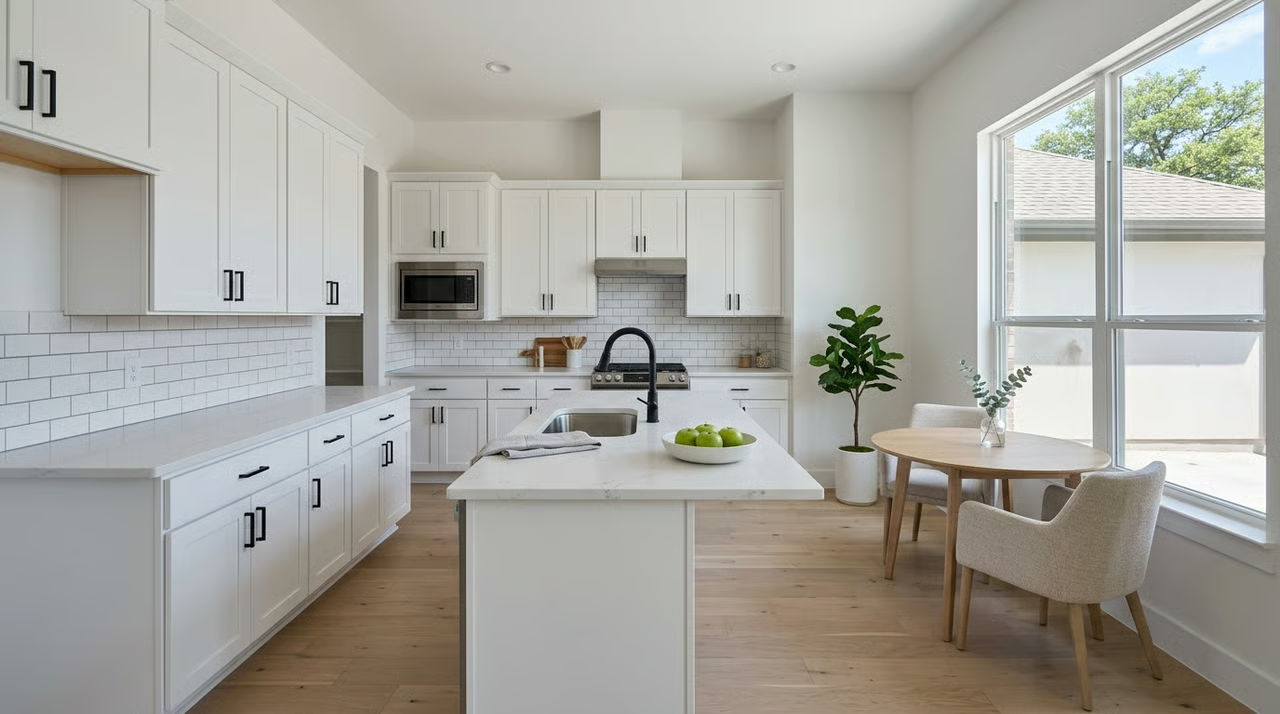
Selling a house can feel straightforward until you start preparing for it. You look around, notice a few things that need attention, and suddenly your weekend is filled with painting, cleaning, and wondering whether the kitchen needs an expensive makeover.
For homeowners in Windsor, Ontario, the challenge is deciding which improvements will actually help sell the property and which ones will simply eat into the money you’re hoping to make.
The good news? You don’t need to turn your house into a show home. You need to understand what buyers notice, what makes them hesitate, and where your time and money will have the greatest effect.
Start With the Problems Buyers Will Notice First
Before spending money on renovations, walk through your home as though you’re seeing it for the first time.
Start at the front door. Does it open smoothly? Is the entryway bright? Are there scuff marks along the walls or a loose handle you’ve been meaning to fix?
These little details matter because buyers often form an impression before they’ve finished walking through the first room.
A dripping faucet might seem harmless to someone who’s lived with it for years. To a potential buyer, it can raise questions about maintenance elsewhere in the house.
Focus first on obvious problems:
- Leaking faucets, running toilets, and slow drains
- Damaged flooring or loose tiles
- Doors and windows that stick
- Peeling paint or stained ceilings
- Broken light fixtures and missing hardware
You don’t necessarily need to replace everything. Sometimes a proper repair and a thorough cleaning accomplish more than a costly upgrade.
Know Which Renovations Aren’t Worth the Expense
It’s tempting to renovate the kitchen before listing. After all, kitchens are important selling features.
But there’s a difference between improving a tired kitchen and spending $30,000 on a renovation that buyers may not value at the same amount.
Imagine two similar homes in Windsor. One has a clean, functional kitchen with older cabinets. The other has newly installed countertops and expensive appliances.
The renovated property might attract more attention, but that doesn’t guarantee its owner will recover the renovation cost.
Before committing to major improvements, compare your property with recently sold homes in your neighbourhood.
If similar houses are selling successfully without luxury finishes, there may be little reason to install them.
Smaller changes often make more financial sense. Replacing dated cabinet handles, refreshing worn paint, or improving lighting can change how a room feels without requiring a contractor for several weeks.
Save major renovations for problems that genuinely affect the home’s condition, safety, or marketability.
Price Your Windsor Property Based on Evidence
One of the biggest mistakes sellers make is choosing an asking price based entirely on what they want to receive.
Maybe you’ve spent years improving the property. Perhaps a neighbour sold for an impressive amount. Or you need a particular figure to afford your next home.
Those circumstances matter to you, but buyers make decisions by comparing available properties.
A home listed too high may sit on the market while competing listings attract showings and offers. Eventually, a price reduction can become necessary.
That doesn’t mean you should automatically list below market value.
The better approach is to examine recent comparable sales, current competition, property condition, and buyer activity in your specific area.
Windsor isn’t one uniform housing market. A detached home in South Windsor can attract different buyers from a smaller property near the downtown core. Lot size, school access, parking, and proximity to amenities can also affect demand.
Working with Windsor property selling experts can help you evaluate those differences and establish a pricing strategy grounded in local market conditions rather than guesswork.
Make Your Home Feel Spacious Without Emptying It
You don’t have to remove every personal belonging before putting your property on the market.
You do, however, want buyers to understand how each room can be used.
A dining room filled with storage boxes feels smaller than one with a simple table and enough space to walk comfortably around it.
The same applies to bedrooms. Oversized furniture can make a perfectly reasonable room appear cramped.
Start by removing things you don’t use regularly. Pack seasonal decorations, extra chairs, and collections that take up visual space.
Then look at furniture placement.
Can someone move naturally through the living room? Are windows blocked by tall cabinets? Does the bedroom have enough visible floor space?
Natural light helps too. Clean the windows, open the curtains, and replace dim bulbs where needed.
You want visitors to remember the house itself, not how much furniture was inside it.
Don’t Ignore the Exterior
A buyer’s first impression often begins before they reach the front door.
They might drive past the property, examine listing photographs, or look at the house from the sidewalk before arranging a showing.
If the lawn is overgrown, the walkway is cluttered, or the front entrance looks neglected, the interior has to work harder to overcome that impression.
Fortunately, exterior improvements don’t always require a large budget.
Cutting the grass, trimming shrubs, washing the front steps, and cleaning exterior windows can make a noticeable difference.
In Windsor, seasonal conditions deserve attention. During autumn, fallen leaves can make a property look untidy. In winter, cleared walkways and safe access are essential for showings.
If your driveway or porch has visible damage, decide whether a repair is worthwhile before listing.
The goal isn’t perfection. It’s showing buyers that the property has been cared for.
Prepare for Listing Photos Before the Photographer Arrives
Professional photographs can make a real difference in how many people decide to view your home.
But even a talented photographer can’t make clutter disappear or repair a damaged wall.
Prepare each room beforehand. Clear kitchen countertops, make beds neatly, remove unnecessary items from bathroom surfaces, and put away personal paperwork.
Pay attention to what’s visible through windows, too. An attractive backyard can become a selling feature when it’s properly presented.
And remember that photographs should accurately represent the property’s condition and layout. Buyers who arrive expecting something different may lose confidence before the showing has properly begun.
Have Your Property Documents Ready
A smooth sale involves more than presenting an attractive house.
Buyers may ask about the roof’s age, furnace maintenance, recent renovations, or whether certain improvements were completed with permits.
Gathering documents early can save time later.
Useful records include property tax information, utility costs, renovation permits, appliance warranties, and maintenance receipts.
For condominium properties, additional documents relating to the condominium corporation may be required.
You should also discuss known defects and disclosure obligations with your real estate professional and lawyer. Trying to hide a significant problem can create much bigger difficulties than addressing it openly.
Think About Your Next Move Before Accepting an Offer
Selling your home is only one part of the process if you’re planning to buy somewhere else.
Consider your preferred closing date, moving expenses, and whether you’ll need temporary accommodation.
What happens if your current property sells before you’ve found another home? What if a buyer requests a closing date that’s earlier than expected?
These questions are easier to answer before negotiations begin.
Review the financial side as well, including mortgage discharge costs, possible penalties, real estate commissions, legal fees, and moving expenses.
A strong selling price means less if unexpected costs leave you short of the money needed for your next purchase.
Conclusion
Preparing a Windsor home for sale doesn’t have to mean months of renovations or thousands of dollars in unnecessary upgrades.
Start with visible repairs, sensible pricing, clean presentation, and organized paperwork. Those practical steps can help buyers see the property’s value without being distracted by preventable problems.
The smartest sellers aren’t necessarily the ones who spend the most before listing. They’re the ones who know where to spend, what to leave alone, and how to present their home with confidence.
 Wild Rise
  IQ newswire
  Qamer Javed