

Being diagnosed with a chronic condition can feel like being handed a problem with no clear solution. Unlike an illness that comes and goes, a chronic condition often becomes part of everyday life. It requires ongoing attention, treatment, lifestyle adjustments, and regular communication with healthcare professionals. Whether you are managing diabetes, asthma, heart disease, or another long-term condition, it is completely understandable to feel overwhelmed at first.
The good news is that managing a chronic condition does not mean thinking about your health every minute of every day. Effective management is less about achieving perfection and more about building sustainable habits, understanding your condition, and knowing when to ask for help. So, where should you actually begin? Rather than trying to change everything overnight, it’s best to start with a few practical steps that can make managing your health feel more organized and achievable.
5 easy tips to manage your chronic condition
Whether you have recently received a diagnosis or have been living with a chronic illness for years, taking a structured approach can help you feel more informed, prepared, and in control. So, instead of trying to figure out how to manage everything at once, start by focusing on a few essential steps that can make the journey easier.
1. Understand Your Condition and Create a Clear Plan
The first step toward managing any chronic condition is understanding what you are dealing with. A diagnosis may give you a name for your condition, but it does not necessarily tell you what that diagnosis means for your everyday life. Remember, you do not have to become an expert overnight. Start with the information that is most relevant to your daily decisions and build your knowledge gradually.
Start by taking time to learn about your condition from reliable medical sources. You can ask questions about symptoms, treatment options, medications, potential complications, and warning signs that require medical attention. Reliable services that offer chronic disease management in Orlando and other major cities can address your questions and help you better plan for the future.
2. Consult A Healthcare Professional
Managing a chronic condition is rarely a one-person job. Consulting professionals is very important. Once you do, be honest about symptoms, medication concerns, lifestyle challenges, and anything that is making your treatment difficult to follow. If a recommendation does not fit realistically into your routine, say so.
A good healthcare professional can often help you find a more practical alternative. This collaborative approach can also reduce chronic illness burnout, a state of physical and emotional exhaustion that may develop when someone feels overwhelmed by the constant demands of managing their health.
Also, don’t hesitate to look for support outside the clinic. Trusted family members or friends can help with appointments, transportation, reminders, or simply provide emotional encouragement when managing your condition becomes tiring.
3. Turn Treatment Into Manageable Daily Habits
A treatment plan can look intimidating when you view it as one enormous list of responsibilities. Medication schedules, appointments, exercise, dietary changes, and other recommendations can quickly become overwhelming. So instead, try to break the plan into small routines that fit naturally into your day.
For example, you could take your medication at the same time as another established morning or evening habit or use a calendar to track appointments and routine monitoring. If your doctor recommends physical activity, try starting with an amount that is appropriate for your condition rather than attempting a dramatic lifestyle change.
Remember, the goal is consistency, not intensity. Small habits are often easier to maintain because they require less mental effort. Over time, these seemingly minor actions can become automatic parts of your routine, making your overall treatment plan feel much less burdensome.
4. Pay Attention to Lifestyle Factors Without Chasing Perfection
Lifestyle choices can play an important role in managing many chronic conditions. However, advice about diet, exercise, sleep, and stress can sometimes become overwhelming. Rather than trying to follow every health recommendation at once, try to identify the changes that are most relevant to your particular condition and discuss them with your healthcare provider.
Nutrition, for instance, does not necessarily mean following an extremely restrictive diet. It may involve eating more balanced meals, becoming more aware of portions, or reducing certain foods that interfere with your treatment goals. Similarly, physical activity might mean walking, stretching, strength exercises, or another form of movement that your healthcare professional considers appropriate.
Sleep and stress deserve attention as well. Poor sleep and prolonged stress can make it harder to maintain routines and cope with symptoms. So, protecting your rest and finding healthy ways to decompress can be valuable parts of your overall management strategy.
5. Monitor Your Progress and Notice Changes Early
Chronic disease management is not static. Your symptoms, medication needs, test results, and daily circumstances can change over time. That is why monitoring your health and attending scheduled appointments are so important.
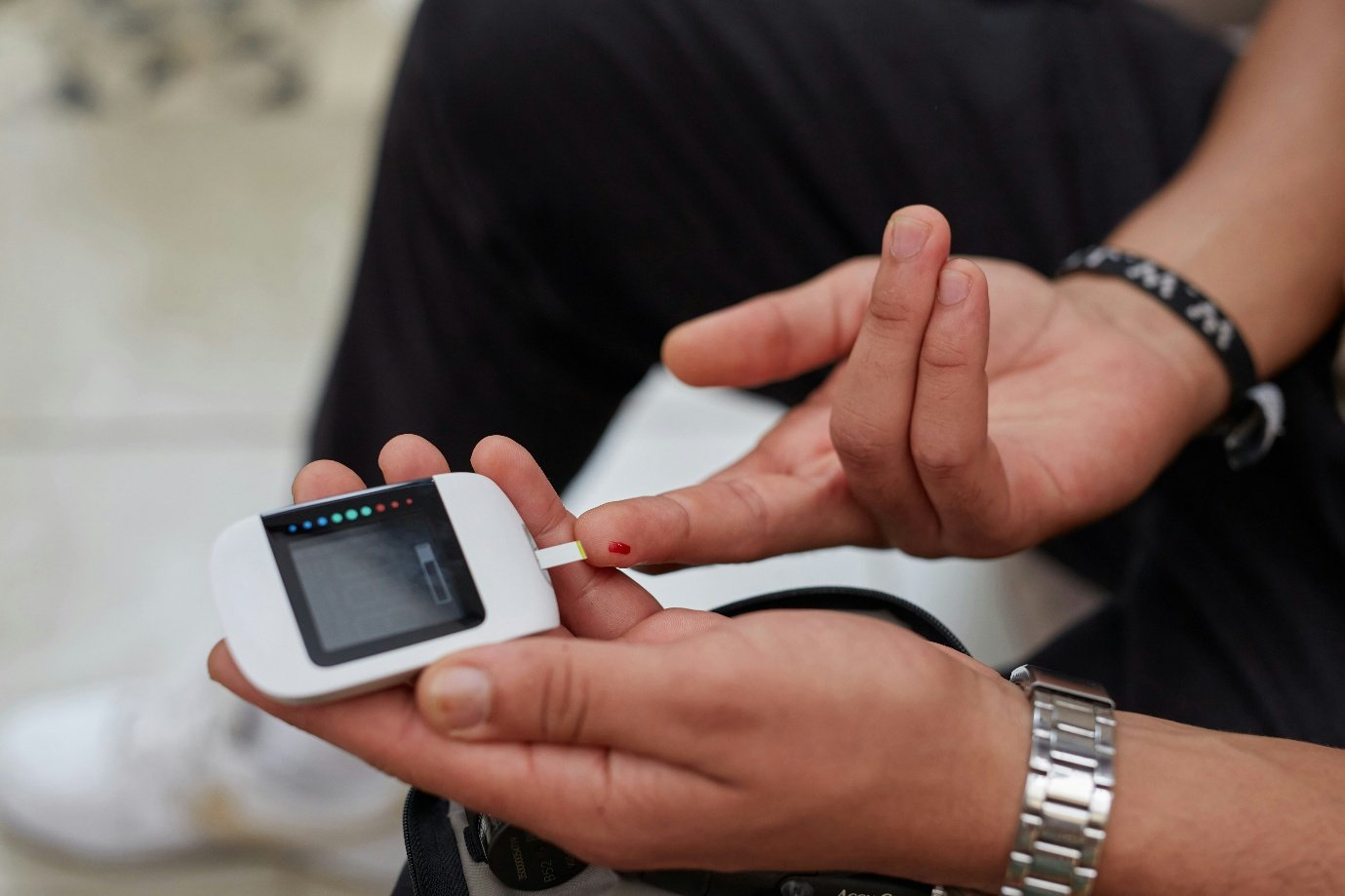
Depending on your condition, monitoring might involve keeping track of symptoms, blood pressure, blood glucose, or other measures recommended by your healthcare professional. Keeping a simple record can help you identify patterns that might otherwise be easy to overlook.
For instance, you may notice that certain symptoms occur after particular activities, at specific times of day, or when you miss part of your routine. Most importantly, do not ignore significant changes simply because you have become accustomed to living with your condition. Early attention can make it easier to adjust treatment before a manageable problem becomes more complicated.
Start Small, Stay Consistent, and Give Yourself Grace
Managing a chronic condition can feel like a long journey, particularly when you are still learning what works for your body and your lifestyle. But you do not need to solve everything at once.
Remember to give yourself room to adapt. Some days will be easier than others, and an imperfect day does not erase your progress. Chronic condition management is ultimately about creating a sustainable approach to health that supports not only better medical outcomes, but also a life that feels meaningful and manageable.
With the right information, appropriate medical support, and realistic daily habits, managing a chronic condition can become less about constantly fighting your diagnosis and more about confidently taking care of yourself, one step at a time.
 Qamer Javed
  Sky News Agency
  ENGR NEWSWIRE