

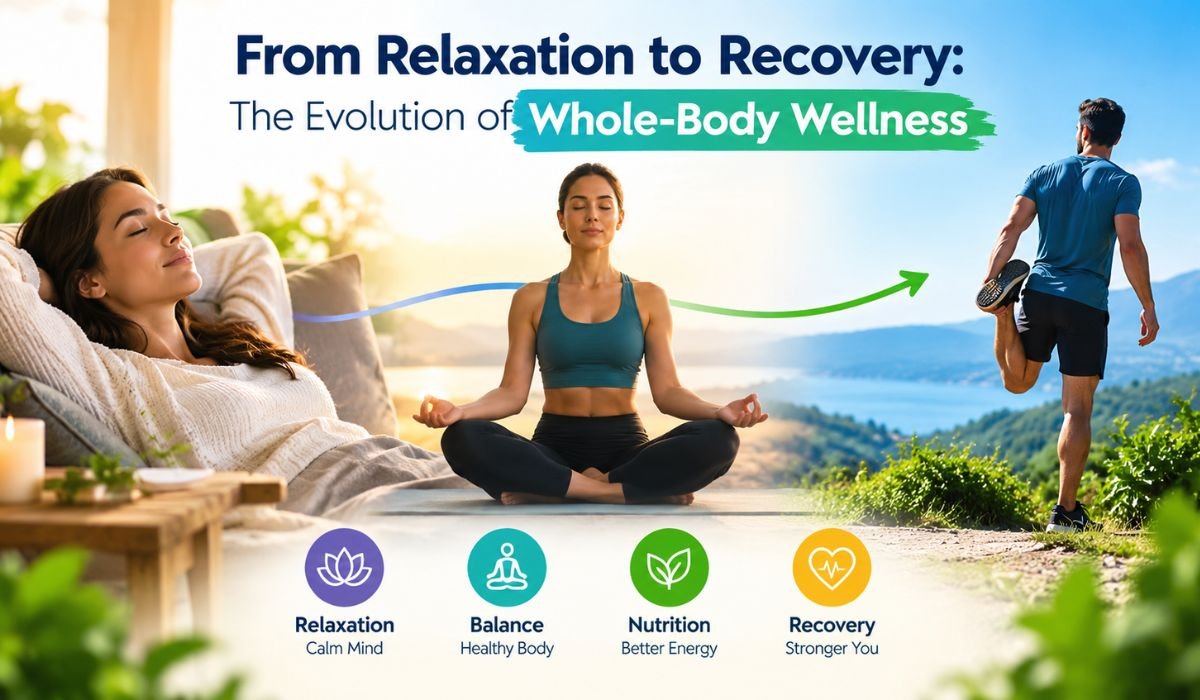
Wellness used to mean one thing mostly, unwinding. A massage, a sauna, maybe a facial, all built around the idea of slowing down for an hour. That’s shifted quite a bit over the last several years. People still want to relax, sure, but a lot of them are also chasing something more specific now, actual physical recovery, better sleep, less soreness carried into the next workout. Spectrum 7 sits right in that shift, built for people who want both at once instead of picking one.
It’s a small change on paper but a real one in practice. Relaxation used to be the whole point. Now it’s often just the starting point.
What Makes This Different From Older Red Light Setups
Older red lighFt panels covered one section of the body at a time, an arm, a back, whatever fit under the light. Full-body setups work differently by covering the whole body in one session instead of piecing it together part by part.
That full-body coverage changes what a session can actually accomplish. Someone dealing with tightness in their shoulders and their legs doesn’t need two separate sessions anymore, or two different appointments squeezed into one day. One booth, one session, everything gets exposure at the same time.
Stepping Into the Booth for the First Time
Walking into a spectrum 7 red light booth for the first time, most people expect it to feel like a tanning bed. It doesn’t, not really. There’s warmth, but nothing close to the heat of a sauna. The light itself sits in a wavelength range that penetrates skin without any UV exposure involved, so there’s no sunburn risk the way there would be with actual sunlight.
A typical session runs somewhere around ten to fifteen minutes standing upright inside the booth. Clothing stays minimal for better light exposure, though studios usually offer eyewear and clear guidance for anyone doing this for the first time.
Why People Keep Coming Back for This Specifically
A few reasons show up again and again when people talk about why this became part of their routine:
- Full-body coverage in one session instead of multiple smaller ones
- Recovery support for muscle soreness after training
- Skin benefits that build gradually with repeated sessions
- No downtime needed afterward, unlike some other recovery treatments
- Sessions short enough to fit around a regular schedule
None of these alone would pull someone back every week. Together, they tend to.
The Recovery Side of Red Light Therapy
Red light therapy in general has picked up serious traction among athletes and people who train hard regularly, mostly because of what it does for circulation and muscle recovery between sessions. Increased blood flow to treated areas can help reduce the lingering soreness that shows up a day or two after a tough workout.
This isn’t unique to any one brand of equipment. What’s different with a full-body booth setup is simply the coverage, treating the whole system at once instead of isolating one muscle group that happened to be sore that week.
What a Few Months of Regular Sessions Tends to Look Like
Nobody walks out of one session transformed. That’s not really how this works, and any studio suggesting otherwise is probably overselling it a bit. What people report instead, after sticking with spectrum 7 red light therapy for a couple months, tends to be smaller and more gradual, less soreness lingering after workouts, skin that looks a bit more even, sleep that feels a little more consistent.
At Sundays Sun Spa Wellness, that pattern shows up in how people actually build their routine here. A lot of regulars start with once a week, then adjust based on how their body responds, some settling into twice weekly once they notice a difference worth chasing further.
Finding the Right Fit in Hampton
Not every studio offering red light therapy runs the same equipment, and full-body booths aren’t as common as smaller panel setups yet. It is worth asking about the availability of full-body booths versus partial panels at a spa studio because the difference does make a significant impact on the effectiveness of the procedure.
Sundays Sun Spa Wellness has made its strategy revolve around the very concept by offering whole body treatments in a consistent manner that ensures the experience becomes a part of one’s routine practice.
Frequently Asked Questions
What is the frequency of using red light therapy for actual results?
The optimal frequency is two-three times per week. Less frequent use is also good, only slower, and the consistency of use is more important than each individual session.
Is full-body red light therapy considered safe for regular use?
Yes, it is. There is no risk of UV exposure, which rules out all the problems caused by the latter. Those who suffer from a certain skin problem will need to consult their dermatologist.
When do people usually notice the difference during their recovery process?
Usually, people feel that they have less muscle soreness within two to three weeks of regular use. Changes in the skin take a little longer – one month or even more.
Will the full-body booth provide better results than small panels?
Yes, because of the greater body area that is covered by each session. Small panels are great too, when there is a necessity of treating a certain area only.
What should someone wear to their first session?
Minimal clothing works best for light exposure, and studios typically provide eyewear. Staff can walk through specifics for anyone unsure what to expect walking in.
Wellness has clearly moved past being just about slowing down for an hour. People want that relaxation, but they also want something that actually holds up after they leave the building, less soreness, steadier sleep, skin that looks a little better over time. That combination is probably why full-body red light sessions have become less of a novelty and more of a habit for a growing number of people.
 Wild Rise
  Qamer Javed
  HG Star