

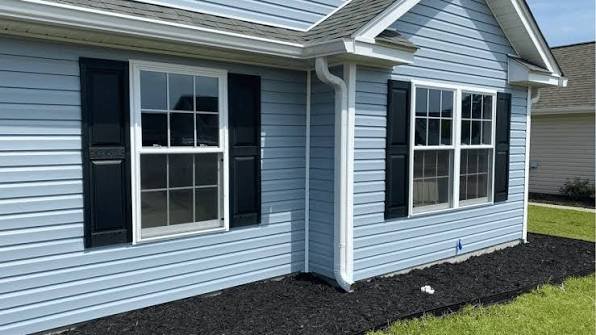
Holland homeowners face a mix of coastal winds, cold winters, and humid summers that can make energy bills unpredictable and thermal comfort a year-round concern. Upgrading windows is one of the most impactful home improvements for reducing drafts, stabilizing indoor temperatures, and lowering heating and cooling costs. This article explores practical, energy-efficient window solutions tailored to local conditions and budgets, helping you decide what makes sense for your house.
Why Energy Efficient Windows Matter
Windows are responsible for a significant portion of heat gain and loss in a typical home. Even high-quality insulation in walls and attics can be undermined by single-pane windows or poorly sealed frames. Modern energy-efficient windows reduce conductive and radiative heat transfer through multiple panes, low-emissivity coatings, and insulating gas fills. They also help minimize uncomfortable cold spots near windows and limit the fading of furniture and flooring by blocking ultraviolet rays. For Holland’s seasonal extremes, investing in the right window system improves comfort while cutting long-term utility costs.
Choosing the Right Window Types
Selecting the correct window style depends on the home’s architecture, ventilation needs, and maintenance preferences. Double-hung and casement windows are common choices for their balance of airflow control and ease of cleaning. For rooms that benefit from larger opening areas or unobstructed views, picture windows paired with operable units work well. For second-story or attic spaces, consider awning or hopper windows sized for ventilation and protection from rain. The critical factor for energy efficiency is not just style but the glazing package: dual-pane or triple-pane units with low-e coatings and argon or krypton gas between panes deliver the highest performance. Combining the right frame material with superior glazing results in a window that resists air leakage, retains warmth in winter, and keeps heat out in summer.
Materials and Technology
Frame material influences durability, maintenance, and thermal performance. Vinyl frames offer good insulation at a moderate price and require little upkeep. Fiberglass frames are dimensionally stable, resisting warping in fluctuating temperatures while providing strong thermal performance. Wood frames provide classic aesthetics and natural insulation but need periodic maintenance to prevent moisture damage. Some homeowners choose composite frames that blend wood interiors with durable exteriors for low maintenance and visual appeal.
Glass technology has advanced rapidly. Low-emissivity coatings reflect infrared heat while allowing visible light, so windows can admit daylight without heating the interior excessively. In colder months, certain low-e coatings improve heat retention. In multi-pane windows, argon and krypton gas fills reduce convection between panes. Spacers that separate the panes have also improved, with warm-edge spacers minimizing thermal bridging at the glass perimeter. Pay attention to the window’s U-factor and Solar Heat Gain Coefficient (SHGC) ratings: lower U-factors mean better insulation, and the ideal SHGC depends on whether a room needs solar gain or shading.
Installation and Local Considerations
Proper installation is as important as product selection. Even the best windows perform poorly if not installed with air-sealing, proper flashing, and attention to thermal breaks. A professional installer will address the building envelope, ensuring that the window ties into exterior siding, housewrap, and interior finishes without gaps that invite moisture or air infiltration. For homeowners seeking local expertise, it helps to compare contractors’ warranties, references, and examples of past work.
Many residents begin their window improvement journey by researching local providers and replacement options. When evaluating quotes, look for clear explanations of the window’s performance metrics and the installation process. For those seeking regional services, a focused search like window replacement holland mi can connect you to installers familiar with Holland’s municipal codes and weather patterns. Local professionals are more likely to know best practices for flashing in coastal conditions and how to position windows for optimal daylight while minimizing heat loss.
Savings, Incentives, and Long-Term Value
Energy-efficient windows are an investment that pays back over time through lower utility bills and increased home comfort. The payback period varies by the initial quality of existing windows, the extent of replacement, and energy prices. Replacing single-pane windows with high-performance double- or triple-pane units usually produces the most noticeable savings. Beyond energy savings, new windows add curb appeal and can increase resale value, especially when they address common buyer concerns about upkeep and insulation.
Various utility companies and government programs sometimes offer rebates or tax incentives for energy-efficient home improvements. Check state and federal programs as well as local utility offerings to reduce upfront costs. Combining window upgrades with improved insulation, door sealing, and HVAC maintenance multiplies benefits and often qualifies homeowners for additional incentives.
Maintenance and Lifespan
Maintaining energy-efficient windows maximizes their lifespan and performance. Regular cleaning of frames and glass prevents grit from wearing down seals. Keep moving parts lubricated and check weatherstripping for wear, replacing it to maintain airtightness. Watch for condensation inside multi-pane units, an indicator of seal failure that should be addressed promptly to prevent frame damage. With proper care, quality windows can last decades, preserving energy savings and aesthetic value.
Practical Steps to Get Started
Begin by assessing which windows contribute most to energy loss: older single-pane units, windows that feel drafty, or areas where you notice sun damage. Gather performance specifications and installation details from several manufacturers and installers to compare. Ask for energy modeling or estimated payback periods tailored to your home’s orientation and HVAC system. Prioritize projects that balance immediate comfort improvements with long-term return on investment, such as replacing windows in frequently used living spaces or those that cause the greatest heating and cooling losses.
Upgrading windows is a smart way for Holland homeowners to reduce energy use and improve comfort without a full home renovation. Thoughtful selection, quality materials, and professional installation work together to deliver lasting performance. Whether you’re improving a century-old bungalow or a newer suburban home, energy-efficient windows are a practical step toward a more comfortable, cost-effective household.
 Backlinks Hub
 Blitz Blitz