

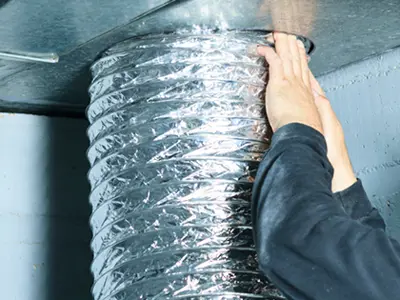
Summer in the Sacramento Valley can push an air conditioner hard, and many homeowners assume that a struggling system means the outdoor unit is failing. Often, the real problem is hidden in leaky ductwork. When supply or return ducts in a hot attic or cool crawlspace allow air to escape or pull unconditioned air into the system, rooms become hot, dust accumulates, and energy use increases. The good news is that duct leakage can be diagnosed and repaired. Here is how to recognize the signs, understand where leaks form, see how professionals test for them, and choose durable repairs that restore comfort and efficiency.
-
Comfort and Energy Clues That Point to Duct Leakage
Uneven temperatures are among the most common symptoms. The second floor may feel hot while the downstairs feels cold, or rooms at the end of a long branch run may have weak airflow from their registers. You may hear faint whistling near a supply boot, need to replace clogged filters more often than expected, or notice dust streaks around return grilles. Utility bills may also rise even when thermostat settings have not changed. Local overviews such as HVAC in Folsom can help you understand what a seasonal inspection should include and which services address airflow concerns rather than equipment problems.
These symptoms usually have a physical cause. Leaky return ducts can pull superheated attic air into the system, adding heat and dust loads to the coil. The blower then has to work harder, while static pressure may increase. At the same time, supply leaks can release cooled air into the attic, effectively cooling the roof deck instead of the bedroom. In some homes, the thermostat reaches its set temperature because of airflow near the hallway return while distant rooms remain warm. This imbalance can make hot spots seem permanent until you seal the ductwork and properly balance the airflow.
-
Where Ducts Usually Leak in Attics and Crawlspaces
Leaks rarely develop in the middle of a straight metal trunk. They are more common at connections such as supply plenum seams, takeoff collars, wye fittings, and flex duct connections to collars. Register boots often develop gaps where the metal meets framing or drywall, creating an opening that lets supply air escape into a cavity or attic air enter a return. Panned returns made from joist bays can be especially prone to leakage around end caps. In crawlspaces, long flex runs may sag, stretch, or tear near their fasteners, creating openings that cannot be seen from inside the home.
Consider two common scenarios. In a newer two-story home with flex ducts buried beneath insulation, a crushed section near a branch takeoff and a loose boot can reduce airflow to the farthest bedroom while allowing cooled air to escape into the attic. In a 1960s ranch with a crawlspace, a panned return and aging duct board may release fibers and pull musty air into the system whenever the blower starts. Both homes may struggle to cool effectively for different reasons, but both can improve significantly once the leaks are sealed and the air distribution is corrected.
-
How Professionals Verify Leakage With Instruments, Not Guesses
Technicians often begin by measuring total external static pressure at the air handler with a manometer. They may check pressure before and after the filter and coil to identify system restrictions. High readings can indicate airflow restrictions, duct design problems, or other issues that interfere with proper air movement. A technician may also use a flow hood at several registers to measure airflow from room to room and compare the readings with the expected delivery. A smoke pencil can reveal air being pulled through return seams that may be difficult to detect visually.
For more detailed diagnostics, a duct pressurization test, often called a duct blaster test, can be used. During this procedure, technicians seal the registers and pressurize the duct system to a standard test pressure. The measured leakage, usually expressed as airflow at a specific pressure, indicates how much air escapes from the system as a whole. Thermal cameras may also reveal chilled air escaping through a supply boot or warm air entering through a return leak. The important factor is measurable data. Accurate readings help distinguish duct problems from equipment issues and show technicians which connections require the most attention.
-
Durable Sealing and Retrofit Choices That Actually Hold
Effective duct sealing begins with the joints. Water-based mastic brushed over seams and collars stays flexible and can adhere well for years when applied properly. When you use tape, use UL 181-rated foil tape on a clean surface rather than ordinary cloth duct tape, which can dry out and lose adhesion. Flex duct connections should be properly attached to a metal collar, secured as required, tightened with an approved draw band or fastener, and then sealed with mastic. Around registers, foam or another appropriate sealant can close gaps between the boot and the surrounding drywall. Replace missing insulation and secure it properly to reduce unwanted heat gain or loss.
Sometimes, sealing leaks alone cannot solve a system design problem. An undersized return can keep static pressure high even after sealing the ductwork. Adding a dedicated return in a warm upstairs hallway may reduce pressure and improve airflow, although it can require additional cutting and finishing work. Filtration also requires balance. A filter with a very high MERV rating may capture more particles, but it can restrict airflow if the filter rack is poorly sealed or the filter surface area is too small. Improving the filter rack gasket or installing a deeper media cabinet may provide better filtration without restricting the blower. If room to room airflow remains uneven, a Manual D redesign or damper adjustment may be necessary.
Maintenance and Attic Conditions That Keep Ducts Tight
Even properly sealed ducts can struggle in harsh environments. Keep filters clean and correctly sized, and select filtration that balances particle capture with adequate airflow. Inspect the filter rack door and gasket to ensure unfiltered air isn’t bypassing the filter and entering the return. Support flex runs with proper hangers to prevent kinks and sags that place unnecessary stress on joints. In attics, adequate insulation and air sealing around penetrations can help keep temperatures more stable. This reduces thermal stress on ductwork and limits heat gain along each run. After significant sealing work or equipment changes, test the system again to confirm static pressure, blower settings, and register balance.
One homeowner noticed that an upstairs bonus room never cooled properly, even though the condenser was relatively new. A manometer test revealed high static pressure along with a return leak near the air handler. After sealing the return plenum seams with mastic, tightening a loose flex collar, and closing a boot gap with foam, airflow at the problem register improved noticeably. The room temperature then became much closer to the thermostat reading. Another family dealt with dust and musty odors every summer until a smoke test revealed that a panned return was pulling air from the crawlspace. Sealing the panned section and installing a lined metal return drop improved indoor air quality and reduced the frequency of filter changes.
Treat duct leakage as a system wide problem rather than a collection of unrelated hot rooms. Watch for practical warning signs, then use testing to confirm problems you can’t easily see. Sealing the correct joints with durable materials can produce lasting improvements, while thoughtful changes such as improving return airflow or adjusting dampers may resolve long standing comfort problems. With routine maintenance and careful attention to attic or crawlspace conditions, conditioned air stays inside the ducts, rooms feel more consistent, and the HVAC system can operate without unnecessary strain.
 Admin
Admin