

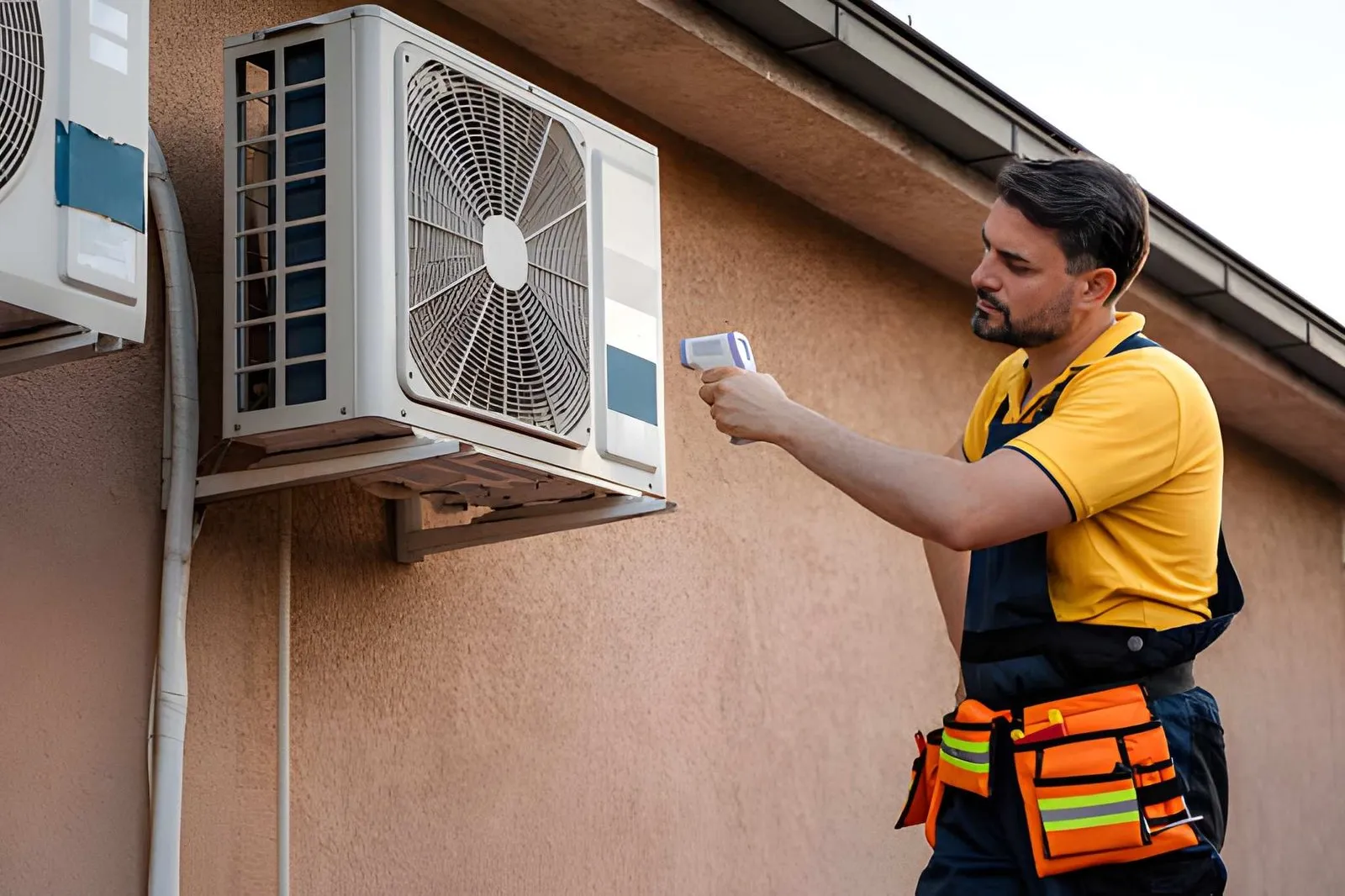
When afternoon heat and humidity climb in Jenks, a faltering air conditioner quickly turns uncomfortable. Before you assume the worst, a few safe, symptom-based checks can help you understand what is going on, prevent damage, and explain the problem clearly when you do call a professional. This guide walks through five common trouble areas: airflow and freezing, outdoor noises and electrical clues, condensate drainage, thermostat and control logic, and preventive practices that matter in Oklahoma’s heat and storm season. Always shut off power at the disconnect or breaker before opening panels, avoid high-pressure water near coils, and do not handle refrigerants or attempt sealed-system repairs. With those limits in mind, here is how to read what your system is telling you.
-
Warm Air, Weak Airflow, and Short Cycling: What These Symptoms Point To
Start with airflow. A clogged return filter or blocked return grille starves the evaporator coil, dropping its temperature until frost forms on the large insulated suction line and eventually the coil itself. If you see ice or notice the thermostat dropping off then rebounding (short cycling), set the thermostat to Fan only for an hour, replace a dirty filter, and clear boxes or furniture from returns. If these checks do not restore cooling, details on scheduling and what to expect during AC Repair in Jenks, OK can help you plan the next step without losing more cool air.
Next, step outside. A condenser coil matted with cottonwood fluff, leaves, or dust cannot shed heat, which can send head pressure extremely high and trip thermal protection. With power off, gently rinse the coil from the inside out using a garden hose, not a pressure washer that can fold delicate aluminum fins. Keep shrubs at least two feet back for clean intake, and use a fin comb to straighten crushed fins. If short cycling continues after cleaning and filter replacement, the issue may be deeper than airflow, such as a failing condenser fan motor or low refrigerant charge that requires a licensed technician.
-
Clicks, Buzzes, and Grinding: Noise Clues From the Condenser and Air Handler
A condenser that hums but whose fan doesn’t spin often points to a failed dual-run capacitor or a seized fan motor. Do not “help ” the blade with a stick. Leave the unit off to protect the compressor’s thermal overload. Rapid clicking, with the compressor trying to start and failing, can indicate a weak capacitor or a pitted contactor that is arcing. Both are high-voltage components; you can test and replace them only with proper tools and training.
Inside, a squeal or grinding from the air handler suggests a blower motor bearing issue. In contrast, a steady, high-pitched whine from a variable-speed ECM blower can reflect airflow restrictions or failing electronics. A burnt electrical odor points toward an overheating motor winding or a contactor. Shut the system down immediately and ventilate. Running through these sound and smell clues helps separate airflow problems from electrical ones when you describe symptoms to a pro.
-
Puddles, Drips, and Musty Odors: Condensate Drain Troubles
Your AC dehumidifies as it cools, routing water through a primary drain pan and a trap into a condensate line or pump. Algae growth or debris in the trap often clogs the line, triggering a float switch that cuts power and causes intermittent no-cool complaints. If you have an outdoor condensate termination, use a wet/dry vacuum there to clear a blockage, then pour a cup of diluted vinegar into the cleanout to discourage slime. For condensate pumps, make sure the unit is level, and the vinyl tube has no sags that collect water.
Water around an attic or closet air handler can damage the ceiling. Check the secondary drain pan for standing water and for a safety switch that may be shutting the system off. If the evaporator coil recently iced, expect a lot of meltwater. Power down and let it thaw fully before further checks; otherwise, you will chase symptoms that mimic an electrical fault when the real culprit is a frozen coil and a full pan.
-
Thermostats, Sensors, and Control Logic: When Settings Are Not the Issue
Thermostat errors can look like equipment failure. Confirm the system is set to Cool and Auto (not On, which runs the blower continuously), replace the batteries, and check that a heat/cool schedule isn’t overriding your setpoint—placement matters: a thermostat on or directly under a supply register will short-cycle. If you recently removed a cover, a loose R or Y wire can interrupt the cooling call.
Heat pump owners may see a thin glaze of frost on the outdoor unit in cool weather, which a defrost board should clear. A summer block of ice on the outdoor coil, however, indicates a serious airflow or refrigerant issue; running it can slug the compressor with liquid refrigerant. Also inspect the low-voltage cable where it exits the house to the condenser. Weed trimmers and pets commonly nick this cable, causing intermittent shorts that shut the system down until the contactor releases.
Prevention in Extreme Heat: Airflow, Power, and Weather Readiness
Filters are a tradeoff between capture and airflow. A very restrictive 1-inch, high-MERV filter can raise static pressure, starving the blower and frosting the coil; a thicker 4-inch media cabinet offers better filtration at lower resistance. Do not close multiple supply registers to “force” air elsewhere; that also spikes static pressure. Keep at least two feet of open space around the condenser for intake, and after a storm, check that twigs have not wedged under the fan guard.
Seasonal maintenance pays off in Oklahoma’s heat. A thorough tune-up includes measuring superheat and subcooling to verify refrigerant charge, testing the capacitor and contactor, checking blower speed and external static pressure for proper CFM, washing coils, sealing obvious duct leaks, and flushing the condensate line. Given frequent thunderstorms, consider a whole-home or dedicated HVAC surge protector to protect sensitive ECM motors and control boards from voltage spikes and brownouts.
Using symptoms to guide simple, safe checks can keep a minor airflow hiccup from turning into a compressor failure. If you find a frozen suction line after a dirty filter, or if a condenser hums with a still fan, shut the unit off and avoid repeated restarts. For Jenks homeowners, long, hot stretches and sudden storms are a tough combination for cooling systems. Work through the basics, note sounds, smells, and behaviors, then call a licensed HVAC technician with those observations so the right repair happens faster and with less guesswork.
 Admin
Admin