

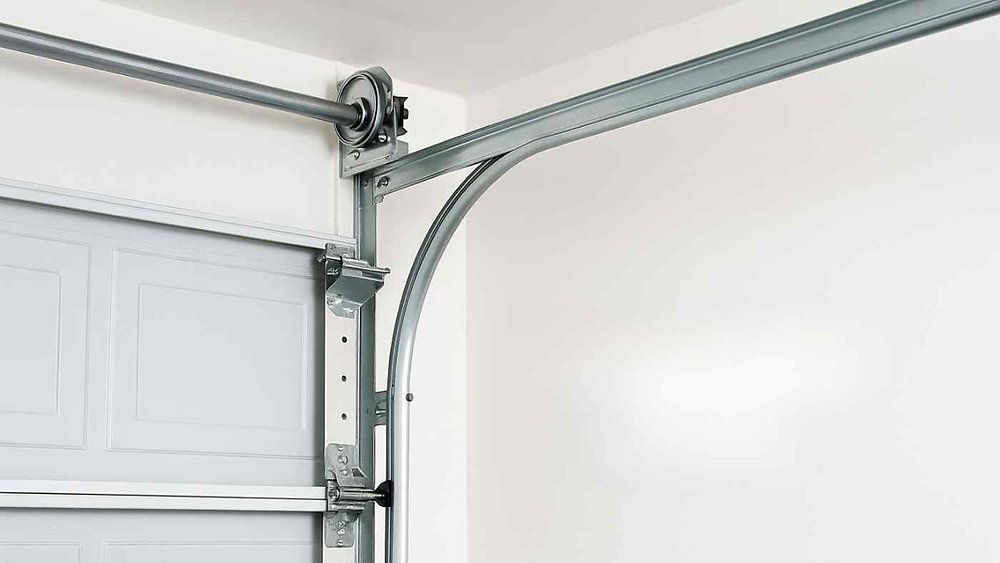
A garage door that starts squealing, sticking, or reversing unexpectedly is more than a nuisance. It is often your first and best warning that a specific part is wearing out or out of adjustment. Acting on those early clues can keep a simple fix from snowballing into a broken spring, bent track, or a burned-out opener. This article explains what common sounds and motions mean, what quick checks you can do safely, and when to stop and call a professional. You will learn how rollers, springs, tracks, photo eye sensors, and opener settings interact, why temperature and weight matter, and how modest maintenance protects these components.
-
What Sounds and Motions Are Telling You
Different noises usually point to specific parts. A grinding or scraping sound often means a misaligned track or a steel roller without adequate lubrication. Rhythmic squeaks point to dry hinges or nylon rollers wearing at the ball bearings. A loud single bang followed by a door that will not lift is a classic sign of a broken torsion spring. If the opener hums but the door barely rises, a slipping drive belt or chain tension problem may be the culprit. When patterns change suddenly, consult a knowledgeable Garage door supplier to match symptoms with the right parts or service before damage spreads.
-
Likely Causes: Springs, Rollers, Tracks, and Openers
Most performance issues come from a few predictable relationships. Weak torsion or extension springs cause imbalance; the opener then strains to do what the springs should handle, shortening motor life. Worn rollers and loose hinge pins introduce side-to-side wobble that can push wheels against track edges, creating scrape marks and premature roller failure. Lag bolts that secure the vertical tracks can loosen over time, pulling the rails out of plumb and causing the door to bind mid-travel. On the opener, incorrect limit or force settings can make the door stop high, slam closed, or reverse when it shouldn’t. Photo eye sensors misaligned by a bumped bracket or low afternoon sun will flash the opener light and refuse to close.
-
Safe Checks You Can Do Before Calling a Technician
Start with the manual release test. With the door closed, pull the red release cord and lift the door by hand. A balanced door supported by healthy springs should stay near waist height without shooting up or crashing down. If it is heavy, stop and reengage the opener; do not attempt further lifting. Next, perform a safety reversal test: place a flat piece of lumber under the closed door’s centerline and run it down. The door should contact and immediately reverse. If it does not, adjust opener force and limits per the manufacturer’s guide or call a pro. For photo eyes, make sure both lenses are clean, aligned at the same height, and securely fastened; a blinking indicator on one side often means the beam is misaligned.
Inspect visible hardware without loosening anything. Look for frayed lift cables near the bottom brackets, cracked hinges between sections, and flattened or missing weatherstripping along the bottom seal. Tighten only the easily accessible lag screws that hold the track brackets to the framing; keep the track square and do not loosen set screws on torsion spring cones. For lubrication, use silicone-based or garage door lithium spray on rollers, hinges, and the torsion spring coil’s surface. Avoid penetrating oils, which strip grease and attract grit, turning a squeak into accelerated wear.
-
Where DIY Stops: High Tension Parts and Structural Repairs
Some aren’t safe without the right tools and training. Torsion springs store significant energy; removing cones or winding without the right bars can cause severe injury. Lift cables that have jumped the drum or a door that is crooked in the opening typically signal a cable or spring issue, not a simple track tweak. Bent tracks require careful replacement and proper bracket placement to keep the track plumb and parallel; forcing a stuck door with the opener can twist sections or shear the trolley. If a panel is cracked or bowed, the correct match may need reinforcement struts to prevent flexing. These are all points to stop and schedule service rather than risking a larger failure.
Preventive Habits That Reduce Wear
Small, routine steps extend the life of the whole system. Lubricate rollers, hinges, and spring coils every three to four months, especially in areas with wide temperature swings that dry out grease. Keep photo eye lenses clean and consider sun shields if afternoon glare regularly trips the sensors. Check bottom seals annually; replacing a hardened or torn seal keeps out water and reduces opener strain in winter. Consider material tradeoffs: nylon rollers are quieter on metal tracks but can wear faster under heavy insulated doors, while sealed steel rollers are louder but durable. Heavier doors may benefit from higher cycle springs sized to the actual door weight. Finally, test door balance and reversal twice a year to catch problems early.
Listening to your door and responding to early warning signs is the simplest way to protect the opener, the springs, and the track system they rely on. Identify the symptom, make a few safe checks, and handle light maintenance like lubrication and sensor alignment. If you find a heavy, unbalanced door, frayed cables, or damaged sections, pause and bring in a qualified technician; the cost of caution is far lower than replacing a twisted panel or a burned motor. With attention to small details and a sensible boundary between DIY and pro work, most garage doors run smoothly for many years.
 Admin
Admin