

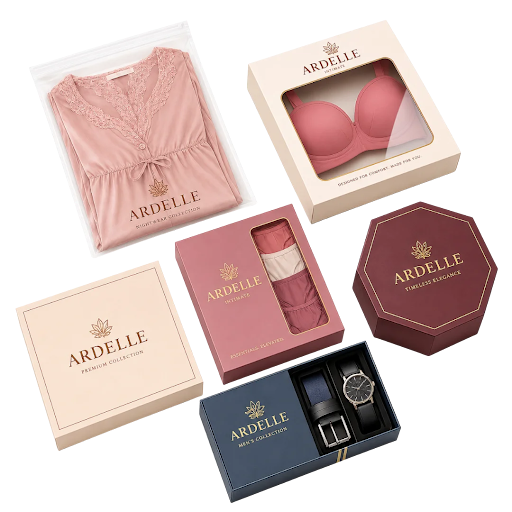
The clothing industry is highly competitive, and presentation plays an important role in how customers experience a fashion product. From a simple T-shirt to a premium dress, the way an item is packaged can influence its appearance, protection, and overall presentation. This is why many clothing brands are turning to custom apparel packaging to create a more organized and recognizable product experience.
Custom printed apparel boxes provide an effective way to display brand logos, colors, product information, and creative designs while keeping clothing products securely packaged and professionally presented.
What Is Custom Apparel Packaging?
Custom apparel packaging refers to boxes, bags, mailers, garment bags, and other packaging solutions specifically designed for clothing and fashion products. These packages can be customized according to the size, shape, material, design, and branding requirements of a business.
Different clothing products require different packaging formats. Shirts, trousers, hoodies, underwear, swimwear, socks, ties, belts, and other accessories may each require a different packaging structure. My Box Printing offers apparel packaging options including shirt boxes, garment boxes, hoodie boxes, sock packaging, underwear packaging, swimwear boxes, lingerie boxes, and other clothing-focused solutions.
Why Packaging Matters for Clothing Brands
Clothing is a visual product, so presentation can be an important part of the customer experience. When a garment arrives in clean and well-designed packaging, it can create a more organized and professional impression.
Packaging also provides protection during transportation. Clothes can be exposed to dust, moisture, friction, pressure, and other conditions while being stored or shipped. Properly selected boxes and bags can help keep garments clean and organized throughout handling and delivery.
Apparel Packaging Bags and Mailers
Boxes are not the only option for clothing businesses. Apparel packaging bags and mailers can provide a lightweight alternative for brands that prioritize convenient shipping and storage.
Poly bags, PVC bags, garment bags, and clothing mailers can help protect apparel from dust and moisture while keeping individual items organized. These packaging formats can be particularly useful for e-commerce businesses that ship clothing directly to customers.
Selecting the Right Material
Material selection depends on the type of garment, shipping requirements, desired appearance, and budget.
Kraft Packaging
Kraft is a popular choice for brands that want a natural and environmentally conscious appearance. It can provide a simple, rustic look while offering a practical packaging structure.
Paperboard Packaging
Paperboard can provide a smooth surface for printing and branding. It is suitable for clothing brands that want detailed graphics, logos, product information, or colorful designs.
Corrugated Packaging
Corrugated cardboard can provide additional protection for products during transportation. It can be useful for clothing businesses that regularly ship orders through e-commerce channels.
Rigid Packaging
Rigid packaging is often selected for premium products and luxury presentations. Its sturdy structure can create a more substantial unboxing experience for high-end clothing and fashion products.
Poly and PVC Bags
Poly and PVC bags can help keep garments clean and protected from moisture during transportation and storage. These options can also be customized for different sizes and closures.
Custom Printing for Apparel Packaging
Printing gives clothing brands an opportunity to turn basic packaging into a recognizable part of their visual identity. Logos, brand names, slogans, product information, illustrations, and patterns can be incorporated into the design.
Different printing methods can be used depending on the material and design requirements. Apparel packaging providers may offer digital printing, offset printing, flexographic printing, silk screen printing, CMYK, and PMS color options.
A consistent color palette across boxes, bags, labels, and other packaging materials can help create a more unified brand appearance.
Creating a Memorable Unboxing Experience
Online shopping has made the unboxing experience an important part of product presentation. Customers often interact with the packaging before they fully experience the product.
These details can make the delivery feel more organized while reinforcing the brand identity.
Sustainable Apparel Packaging
Sustainability is another consideration for modern clothing businesses. Brands that want to reduce unnecessary packaging waste can explore recyclable or biodegradable materials.
Kraft, paperboard, and cardboard are commonly considered for businesses seeking more environmentally conscious packaging options. Material selection should still be based on the product’s protection requirements and the packaging’s intended use.
Seasonal and Promotional Clothing Packaging
Apparel packaging can also be customized for special events and seasonal campaigns. Clothing brands may create limited-edition packaging for holidays, product launches, anniversaries, weddings, promotional campaigns, or special collections.
Customized packaging can help separate limited collections from a brand’s regular product line while maintaining the company’s overall identity.
Packaging for E-Commerce Clothing Brands
E-commerce has changed how clothing businesses approach packaging. Online customers often receive garments through shipping carriers, so the package must be suitable for handling and transportation.
A well-designed shipping box or mailer should provide enough protection without using unnecessary space. Lightweight bags can be useful for certain garments, while boxes may be preferable when additional structural protection or premium presentation is required.
Turning Packaging Into a Branding Tool
A clothing package can serve more than one purpose. It can protect the product, provide information, and communicate the brand’s personality at the same time. A recognizable logo, consistent typography, brand colors, and carefully selected materials can create a cohesive presentation.
Custom packaging boxes can be designed with these branding elements while providing a practical way to present and protect garments during storage, shipping, and delivery. QR codes can also be incorporated into packaging to direct customers toward a website, social media page, product information, or promotional content. This makes packaging an additional communication point between a clothing company and its customers.
How to Choose the Right Apparel Packaging
Before ordering custom packaging, clothing businesses should consider several factors:
Product Size: Measure the garment accurately so the packaging provides an appropriate fit.
Protection Requirements: Consider whether the product needs protection from moisture, crushing, dust, or friction.
Material: Select a material that matches the product and desired presentation.
Branding: Decide which logos, colors, artwork, and product information should appear on the package.
Shipping: E-commerce brands should consider the weight, durability, and dimensions of their packaging.
Budget: Premium materials and finishes can increase the cost, so businesses should select options that match their packaging budget.
Quantity: Ordering requirements can vary between startups and established apparel manufacturers, so packaging suppliers should be able to accommodate the appropriate production volume.
Final Thoughts
Custom apparel packaging can help clothing businesses protect their products while creating a more recognizable and professional presentation. From garment boxes and shirt boxes to mailers, poly bags, and luxury packaging boxes, brands have many options to match different products and customer experiences.
The right combination of material, structure, printing, and finishing can turn ordinary clothing packaging into a meaningful part of a brand’s identity. Whether a business is launching a new fashion collection, expanding its e-commerce operation, or improving its retail presentation, customized packaging can provide a practical way to bring its visual identity into every customer interaction.
 Apex Apex
 Sky Bloom IT