

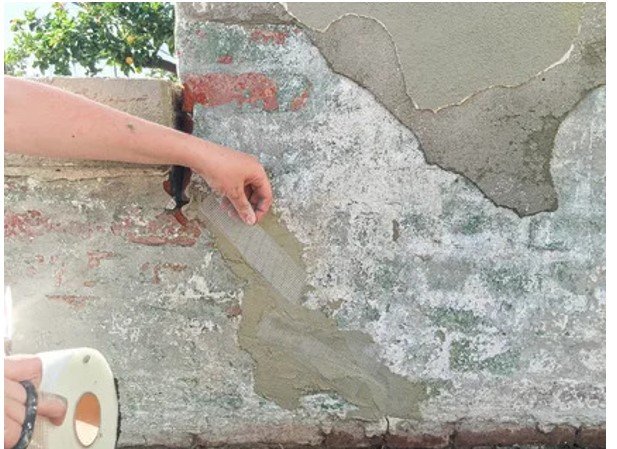
Exterior finishes do far more than complete the look of a property. Stucco, stone and mortar also help protect walls from weather exposure while contributing to the architectural character of the building. When cracks, loose sections or deteriorated joints start appearing, the right repair should address both the visible damage and the reason it developed.
Professional Stucco Repair in Wilmington NC should begin with identifying the cause rather than simply filling the surface. Moisture, movement, impact damage, ageing materials or poor previous repairs can all create similar-looking symptoms. Understanding what is happening beneath the finish is what separates a lasting repair from a cosmetic patch.
Different Stucco Cracks Can Mean Different Things
Not every crack requires the same response. Fine surface cracks may develop through normal shrinkage or weathering, while wider cracks can indicate movement underneath the finish. Cracks that repeatedly return after repair deserve closer attention, particularly around windows, doors or changes in wall construction.
The pattern matters as much as the size. A good assessment considers where the crack is located, whether it is growing and whether other signs of deterioration are present nearby.
Moisture Can Cause More Damage Than the Crack Itself
Water getting behind stucco can create problems that remain hidden for some time.
Failed sealant, damaged flashing, poorly protected openings or cracks may allow moisture to reach the material behind the exterior finish. This can contribute to staining, soft areas, separation or deterioration.
Repairing only the visible crack may improve appearance without solving the moisture path. If the source remains active, the same area may eventually fail again.
Texture Matching Is Part of the Repair
Stucco repairs can be structurally sound and still look poor if the new finish does not blend with the surrounding wall. Different stucco textures create different visual patterns, so the repair method needs to reflect the existing surface. Colour can also vary because older stucco changes gradually through weather exposure.
A successful repair should reduce the visual contrast between old and new work. The goal is not to make the patch noticeable. Ideally, it should become part of the wall.
Loose Stucco Needs a Stable Base
Bulging, hollow or detached stucco should not simply be covered. If the underlying material has lost adhesion, applying another layer over it can leave the original weakness in place. Loose sections may need to be removed back to sound material before the surface is rebuilt.
The new finish depends entirely on what it is attached to. A perfect top layer cannot compensate for unstable material underneath.
Stone Masonry Shows Damage Differently
Stone walls and features often develop problems through failing mortar joints, movement or weather exposure rather than surface cracking alone.
Loose stones, open joints, erosion and displacement can all affect both stability and appearance. Water can also enter through deteriorated mortar and move deeper into the masonry.
The repair approach should consider the condition of the stone and the mortar together. Treating one while ignoring the other can leave the assembly vulnerable.
Mortar Needs to Be Compatible with the Stone
Mortar does more than fill gaps. It helps hold masonry units in position, distributes loads and accommodates small amounts of movement. Replacement mortar therefore needs to suit the surrounding stone and existing construction.
Using material that is unnecessarily hard or visually inconsistent can create problems of its own. A repair should restore the joints while respecting how the original masonry was designed to behave.
Movement Should Be Understood Before Repointing
Cracked mortar is often treated as a repointing issue, but the joint may only be showing movement from elsewhere. Settlement, drainage problems or shifting support beneath the wall can all cause cracking. If that movement is ongoing, simply replacing mortar may provide only temporary improvement.
The underlying condition should be reviewed first. Once stability is confirmed, the visible joints can be repaired with far greater confidence.
Repointing Can Restore Definition and Protection
Where the stone remains stable but joints have weathered, repointing can improve both performance and appearance.
Deteriorated mortar is removed carefully and replaced with appropriate material. The new joint profile should also complement the original masonry style rather than appearing too deep, too wide or visually heavy.
Good repointing sharpens the appearance of the wall without making every joint look newly drawn. That balance is what gives restored masonry a natural finish.
Avoid Overly Aggressive Cleaning
Old stone and mortar can be damaged by inappropriate cleaning. Excessive pressure may erode softer materials or disturb already weakened joints. Preparation should therefore remove dirt, loose material and contamination without damaging sound masonry around the repair area.
The same principle applies throughout restoration work. More aggressive does not always mean more effective. Sometimes the best repair starts with knowing what not to disturb.
Water Management Should Be Part of the Solution
Stucco and stone may look very different, but both can be affected by poor water management.
Gutters, downspouts, grading and failed sealant around openings can all contribute to repeated moisture problems. Water collecting near the base of walls can also accelerate deterioration.
If damage keeps returning in the same area, the source may be somewhere else entirely. Repairing the wall while ignoring water movement around it rarely produces the best long-term result.
A Repair Should Preserve Character, Not Erase It
Professional Stone Masonry Repair in Wilmington NC becomes especially important when the property contains distinctive masonry, older materials or architectural details worth preserving. The objective should be to stabilise damaged areas while retaining the colour, texture and character that make the wall visually unique.
Overly uniform repairs can make old masonry look artificial. Careful restoration allows the repaired section to age more naturally alongside the original work.
Restore the Cause and the Finish Together
The most reliable exterior repairs begin with understanding why the damage appeared, then rebuilding the affected area with compatible materials and careful attention to finish. Swan Masonry can help homeowners address cracked stucco, deteriorated mortar and damaged stonework while preserving the character of the property. When movement, moisture and material compatibility are considered together, the repair becomes more than a cosmetic improvement and stands a much better chance of lasting.
 Sky Bloom IT
 Blitz Blitz