

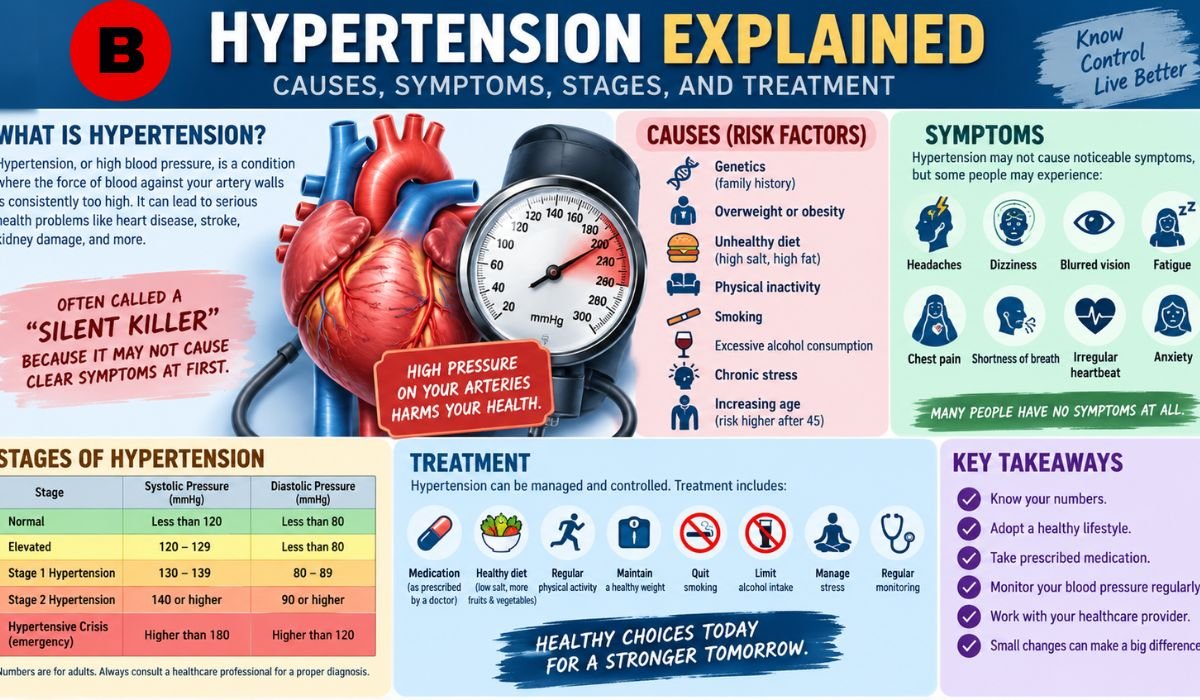
Hypertension, commonly known as high blood pressure, is one of the most common health conditions affecting adults. It often develops quietly, without obvious warning signs, yet over time it can place considerable strain on the heart, blood vessels, kidneys, brain, and eyes.
That’s one reason regular blood pressure checks matter. A person can feel perfectly healthy while their blood pressure remains higher than it should be.
In the United States, current guidance defines high blood pressure as consistently measuring at or above 130/80 mm Hg. The 2025 American Heart Association and American College of Cardiology guideline also sets a general treatment goal of below 130/80 mm Hg for adults, with individual considerations for certain groups, including pregnant people.
The good news is that hypertension can often be managed successfully. Depending on the person and their level of cardiovascular risk, treatment may involve lifestyle changes, medication, regular monitoring, or a combination of these approaches.
Quick Hypertension Information
| Information | Details |
|---|---|
| Medical Term | Hypertension |
| Common Name | High Blood Pressure |
| Measurement | Millimeters Of Mercury (mm Hg) |
| Normal Blood Pressure | Below 120/80 mm Hg |
| Elevated Blood Pressure | 120–129 systolic and below 80 diastolic |
| Stage 1 Hypertension | 130–139 systolic or 80–89 diastolic |
| Stage 2 Hypertension | 140 or higher systolic or 90 or higher diastolic |
| Common Symptom Pattern | Often No Symptoms |
| Major Risk | Cardiovascular And Organ Damage |
| Main Affected Organs | Heart, Brain, Kidneys, And Eyes |
| Common Risk Factors | Age, Family History, Tobacco, Inactivity, Excess Weight, Diet, Alcohol |
| Common Treatment | Lifestyle Changes And, When Needed, Medication |
| Common Medication Classes | Diuretics, Beta-Blockers, Calcium Channel Blockers, ACE Inhibitors, ARBs |
| Helpful Diet Pattern | DASH Diet |
| Home Monitoring | Can Support Blood Pressure Management |
| Emergency Concern | Very High Blood Pressure With Signs Of Acute Organ Damage |
| Long-Term Goal | Sustained Blood Pressure Control |
| Treatment Approach | Individualized According To Risk And Health Status |
What Is Hypertension?
Hypertension occurs when blood consistently pushes against the walls of the arteries with more force than is considered healthy. Blood pressure naturally rises and falls throughout the day, so a single unusual reading doesn’t necessarily mean someone has hypertension.
Blood pressure is recorded using two numbers. The systolic pressure is the top number and represents the pressure in the arteries when the heart contracts. The diastolic pressure, shown underneath, reflects the pressure when the heart relaxes between beats.
For example, a reading of 120/80 mm Hg means a systolic pressure of 120 and a diastolic pressure of 80.
When blood pressure stays elevated over time, the cardiovascular system has to work harder. That persistent pressure can eventually contribute to damage throughout the body.
How Blood Pressure Is Measured
Blood pressure is measured in millimeters of mercury, written as mm Hg. A healthcare professional usually measures it with an inflatable cuff placed around the upper arm.
For an accurate reading, preparation matters. Physical activity, smoking, alcohol, caffeine, stress, body position, and even crossing your legs shortly before a measurement can affect the result.
Home monitoring can also be useful, particularly when healthcare professionals want to understand how blood pressure behaves outside a medical office. The 2025 AHA/ACC guideline encourages standardized home monitoring as part of hypertension management. At the same time, cuffless devices such as smartwatches shouldn’t currently be relied on as substitutes for validated blood pressure equipment because their accuracy isn’t yet reliable enough for clinical decisions.
Hypertension Stages And Blood Pressure Numbers
Understanding blood pressure numbers can make a diagnosis much easier to understand.
Under the current U.S. AHA/ACC classification, normal blood pressure is below 120/80 mm Hg. An elevated reading has a systolic value of 120–129 mm Hg with a diastolic value below 80 mm Hg.
Stage 1 Hypertension means the systolic pressure is 130–139 mm Hg or the diastolic pressure is 80–89 mm Hg.
Stage 2 Hypertension begins at a systolic pressure of 140 mm Hg or higher or a diastolic pressure of 90 mm Hg or higher.
It’s important to understand that these are U.S. guideline categories. Definitions and treatment thresholds can differ between countries and clinical organizations, so readers should interpret a blood pressure reading in the context of the guidance used where they receive care.
What Causes Hypertension?
Hypertension doesn’t always have one obvious cause. In many adults, it develops gradually through a combination of genetics, age, lifestyle, and environmental influences.
Some people have what is known as primary hypertension. This form develops over time without a single identifiable medical cause and accounts for most cases.
Others develop secondary hypertension, which is linked to another condition, medication, or substance. Possible contributors include obstructive sleep apnea, kidney problems such as renal artery narrowing, certain medicines, alcohol, nicotine, and recreational drugs.
Some medications can raise blood pressure as well. Examples include certain antidepressants, immunosuppressants, and nonsteroidal anti-inflammatory drugs, commonly known as NSAIDs.
Identifying an underlying cause can be especially important when blood pressure appears suddenly, becomes difficult to control, or develops at an unusual age.
Primary Vs. Secondary Hypertension
The distinction between primary and secondary hypertension helps healthcare professionals decide how to investigate and manage high blood pressure.
Primary hypertension usually develops slowly and doesn’t have one specific underlying disease responsible for it. Age, family history, diet, physical inactivity, weight, and other factors may all contribute.
Secondary hypertension, by contrast, results from an identifiable condition or external factor. Treating that underlying problem can sometimes improve blood pressure control.
Other patterns can also occur. Some people experience white coat hypertension, where readings are higher in a medical setting but normal elsewhere. Masked hypertension is essentially the opposite: readings may appear normal in a clinic but rise at home or during everyday activities.
There is also nocturnal hypertension, in which blood pressure remains unusually high during sleep, and resistant hypertension, which remains difficult to control despite appropriate treatment.
Risk Factors For High Blood Pressure
Certain factors can make hypertension more likely.
Age is one of them, as blood vessels can become less flexible over time. A family history of high blood pressure can also increase risk. Smoking and other forms of tobacco use, excess body weight, physical inactivity, and a diet high in sodium can contribute as well.
Alcohol consumption may raise blood pressure, particularly when intake is excessive. Diabetes, kidney disease, and some other health conditions are also closely connected with hypertension.
Lifestyle isn’t the whole story, however. Genetics, social and environmental factors, access to healthcare, medications, and other medical conditions can all influence blood pressure.
That’s why hypertension shouldn’t be viewed simply as a consequence of personal choices.
What Are The Symptoms Of Hypertension?
One of the most important things to know about hypertension is that it often doesn’t cause noticeable symptoms.
A person may have elevated blood pressure for years without headaches, dizziness, chest discomfort, or any other obvious warning sign. This is why hypertension is sometimes described as a “silent” condition.
When blood pressure becomes extremely high, however, symptoms can occur. Depending on the severity and whether organs are being affected, these may include severe headache, confusion, vision changes, chest pain, shortness of breath, dizziness, palpitations, reduced urination, seizures, or other concerning symptoms.
Because symptoms aren’t a reliable way to detect hypertension, regular measurement remains essential.
When Is High Blood Pressure An Emergency?
Very high blood pressure deserves prompt attention, but not every extremely high reading automatically means the same thing.
For nonpregnant adults, the 2025 AHA/ACC guideline describes severe hypertension as blood pressure above 180/120 mm Hg without evidence of acute target-organ damage. Such cases require timely medical evaluation and treatment.
A hypertensive emergency is different. It involves severely elevated blood pressure together with signs of acute organ damage.
If a person has a very high reading along with symptoms such as chest pain, difficulty breathing, severe neurological changes, vision problems, confusion, seizures, or other signs of serious illness, urgent medical attention is necessary.
Pregnancy requires additional caution because the blood pressure thresholds and potential complications differ from those used for nonpregnant adults.
How Is Hypertension Diagnosed?
A hypertension diagnosis isn’t normally based on one isolated reading.
A healthcare professional will consider several measurements, medical history, physical examination findings, medications, lifestyle factors, and other relevant health conditions. Repeated readings help determine whether blood pressure is consistently elevated.
Home measurements can provide useful information because blood pressure may change between a doctor’s office and everyday life.
The healthcare professional may also investigate possible secondary causes, particularly when hypertension appears unexpectedly or is difficult to control.
The distinction between systolic and diastolic pressure matters as well. Some people have isolated systolic hypertension, where only the top number is elevated, while others may have isolated diastolic hypertension.
How Is High Blood Pressure Treated?
Treatment depends on the person’s blood pressure, overall cardiovascular risk, other health conditions, and response to previous treatment.
Lifestyle changes are recommended across blood pressure categories. For some people, these changes may be enough to improve their readings. Others will need medication as well.
The 2025 AHA/ACC guideline recommends medication for adults with an average blood pressure of at least 140/90 mm Hg. Medication is also recommended for selected adults whose average blood pressure is at least 130/80 mm Hg when they have cardiovascular disease, a previous stroke, diabetes, chronic kidney disease, or an elevated 10-year cardiovascular risk calculated using the PREVENT equations.
For lower-risk adults with Stage 1 hypertension, medication may be recommended if blood pressure remains at or above 130/80 after an initial three-to-six-month period of lifestyle changes.
Treatment decisions should always be individualized with a healthcare professional rather than based on a single number or online recommendation.
Lifestyle Changes That Can Help Lower Blood Pressure
Lifestyle changes are a central part of hypertension prevention and treatment.
Maintaining or reaching a healthy weight can help reduce the pressure placed on the cardiovascular system. Regular physical activity is another important step. Current guidance supports a moderate physical activity program, while broader public-health recommendations commonly encourage regular aerobic exercise and muscle-strengthening activity.
Diet matters, too. The DASH diet, or Dietary Approaches to Stop Hypertension, emphasizes heart-healthy foods while reducing sodium. Increasing dietary potassium when medically appropriate can also support healthier blood pressure.
Getting enough sleep, managing stress, avoiding tobacco, and reducing or eliminating alcohol can further support blood pressure control.
These changes don’t replace medication when medication is medically necessary. Instead, they work alongside other treatment strategies.
Medications Used To Treat High Blood Pressure
Several classes of medicines can lower blood pressure. Common examples include diuretics, beta-blockers, calcium channel blockers, ACE inhibitors, and angiotensin II receptor blockers (ARBs).
The best option depends on factors such as age, kidney function, diabetes, pregnancy status, other medications, cardiovascular risk, and existing health conditions.
People with Stage 2 hypertension may need more than one medicine. Under the 2025 AHA/ACC guideline, starting two first-line medications from different classes in a single-pill combination is preferred for many adults with Stage 2 hypertension because it can improve adherence and help achieve control sooner.
Most importantly, blood pressure medication shouldn’t be stopped simply because a reading has improved. Treatment changes should be discussed with the prescribing healthcare professional.
What Happens If Hypertension Is Left Untreated?
Untreated hypertension can gradually damage blood vessels and vital organs.
The heart may have to work harder, increasing the risk of coronary artery disease, heart attack, heart failure, and atrial fibrillation. High blood pressure can also contribute to stroke and cognitive problems, including cognitive decline and dementia.
The kidneys are particularly vulnerable because they depend on a healthy network of blood vessels to filter waste from the blood. Over time, hypertension can contribute to chronic kidney disease.
The eyes and peripheral blood vessels can also be affected. In men, long-term vascular damage may contribute to erectile dysfunction.
The risk isn’t limited to one organ system. That’s why controlling blood pressure is an important part of protecting long-term cardiovascular and overall health. The current AHA/ACC guideline identifies hypertension as a major modifiable risk factor for cardiovascular disease, stroke, chronic kidney disease, heart failure, atrial fibrillation, and cognitive decline.
Hypertension And Pregnancy
High blood pressure during pregnancy deserves special attention because it can affect both the pregnant person and the developing baby.
Pregnancy-related hypertension can increase the risk of complications such as preeclampsia, eclampsia, stroke, kidney problems, and premature delivery.
The 2025 AHA/ACC guideline includes specific recommendations for managing blood pressure before, during, and after pregnancy rather than treating pregnancy as an ordinary hypertension scenario.
Anyone who is pregnant and has concerning blood pressure readings or symptoms should contact their healthcare professional promptly. Severe headache, vision changes, chest pain, shortness of breath, significant swelling, or other concerning symptoms warrant urgent medical assessment.
How To Monitor Your Blood Pressure At Home
Home monitoring can give a more realistic picture of blood pressure throughout everyday life.
Use a validated upper-arm blood pressure monitor and follow the manufacturer’s instructions. Sit quietly before taking the measurement, keep your back supported, place your feet flat on the floor, and position your arm appropriately.
Avoid exercising, smoking, drinking alcohol, or consuming caffeine shortly before measuring your blood pressure because these factors can affect the result.
Keep a record of your readings and share it with your healthcare professional. A series of measurements is generally more informative than focusing on one isolated number.
Home monitoring is now an important part of the current hypertension-management approach, although cuffless wearable devices shouldn’t yet be treated as equivalent to validated blood pressure cuffs for clinical decision-making.
Can Hypertension Be Prevented?
Hypertension can’t always be prevented because factors such as age, genetics, and certain medical conditions can’t be changed.
Still, many everyday habits can lower the likelihood of developing high blood pressure or help keep existing hypertension under control.
Eating a balanced diet, limiting sodium, staying physically active, maintaining a healthy weight, avoiding tobacco, moderating or avoiding alcohol, sleeping well, and managing stress are all useful steps.
Regular blood pressure checks matter, too. Since hypertension often has no obvious symptoms, waiting until something feels wrong isn’t a reliable strategy.
Living With Hypertension: Long-Term Management
Managing hypertension is usually a long-term process rather than a one-time fix.
Blood pressure can change with age, weight, medications, stress, activity levels, illness, and other health conditions. As a result, treatment may need to be adjusted over time.
Keeping appointments, monitoring blood pressure as recommended, taking prescribed medicines consistently, and discussing side effects with a healthcare professional can make treatment more effective.
The 2025 AHA/ACC guideline also emphasizes team-based care, bringing together professionals such as physicians, nurses, pharmacists, dietitians, and other healthcare workers when appropriate. This broader approach can help address medication access, adherence, lifestyle changes, and other barriers to successful blood pressure control.
When Should You See A Doctor?
Anyone who repeatedly records blood pressure in the hypertension range should discuss the results with a healthcare professional.
An isolated high reading doesn’t necessarily mean you have hypertension, but repeated elevated readings shouldn’t be ignored.
Medical advice is especially important if blood pressure is very high, if you already take medication but your readings remain elevated, or if you have other conditions such as diabetes, kidney disease, cardiovascular disease, or a history of stroke.
If blood pressure is extremely high and accompanied by symptoms suggesting possible organ damage, seek urgent medical care rather than waiting for a routine appointment.
Final Thoughts
Hypertension can be easy to overlook because it often develops without noticeable symptoms. Yet its long-term effects can be serious, affecting the heart, brain, kidneys, eyes, and blood vessels.
The most useful approach is straightforward: know your numbers, measure them accurately, understand what they mean, and don’t ignore consistently high readings.
Treatment isn’t identical for everyone. Some people may improve substantially through lifestyle changes, while others need one or more medications. Current U.S. guidance increasingly emphasizes combining accurate measurement, lifestyle support, individualized cardiovascular-risk assessment, home monitoring, and appropriate medication when needed.
If you’ve been diagnosed with hypertension, the goal isn’t simply to lower one blood pressure reading. It’s to manage the condition consistently over time and reduce the risk of future complications.
Frequently Asked Questions About Hypertension
What Is Hypertension?
Hypertension is consistently elevated blood pressure. Under current U.S. guidance, blood pressure at or above 130/80 mm Hg falls within the high blood pressure range.
What Are The Symptoms Of Hypertension?
Most people with hypertension don’t experience noticeable symptoms. That’s why regular blood pressure checks are important. Extremely high blood pressure can be associated with symptoms such as severe headache, chest pain, confusion, vision changes, or neurological problems.
What Causes High Blood Pressure?
High blood pressure can develop from a combination of genetic, lifestyle, environmental, and medical factors. Some cases are linked to another condition or medication and are classified as secondary hypertension.
What Blood Pressure Is Considered Dangerous?
A reading above 180/120 mm Hg is considered severe hypertension in nonpregnant adults. The situation becomes particularly urgent when there are symptoms or evidence of acute organ damage. Such symptoms can include chest pain, difficulty breathing, neurological changes, vision problems, or confusion.
Can Lifestyle Changes Lower Blood Pressure?
Yes. Healthy eating, reduced sodium intake, regular physical activity, healthy weight management, avoiding tobacco, reducing alcohol, adequate sleep, and stress management can all support healthier blood pressure.
Can Hypertension Be Cured?
There isn’t a single cure that applies to everyone with hypertension. Some people can achieve substantial improvement through lifestyle changes, while others require long-term medication. Treatment should be based on the underlying causes, blood pressure levels, and overall health.
Should I Stop Blood Pressure Medication If My Numbers Improve?
No. A lower reading may mean that treatment is working. Stopping medication without medical guidance can cause blood pressure to rise again and may increase health risks. Always discuss medication changes with the healthcare professional who prescribed the treatment.
Can Hypertension Be Prevented?
Not every case can be prevented, particularly when age, genetics, pregnancy, or certain medical conditions play a role. However, healthy lifestyle habits and regular blood pressure monitoring can reduce risk and support better long-term control.
Medical Disclaimer: This article is intended for general educational purposes and isn’t a substitute for personalized medical advice, diagnosis, or treatment. Anyone with concerning blood pressure readings or symptoms should speak with a qualified healthcare professional. In an emergency, seek immediate medical care.
Learn more and explore exciting content on: Health Tips for Everyday Wellness: Easy Habits That Make a Difference
 IQ newswire
  ENGR NEWSWIRE