

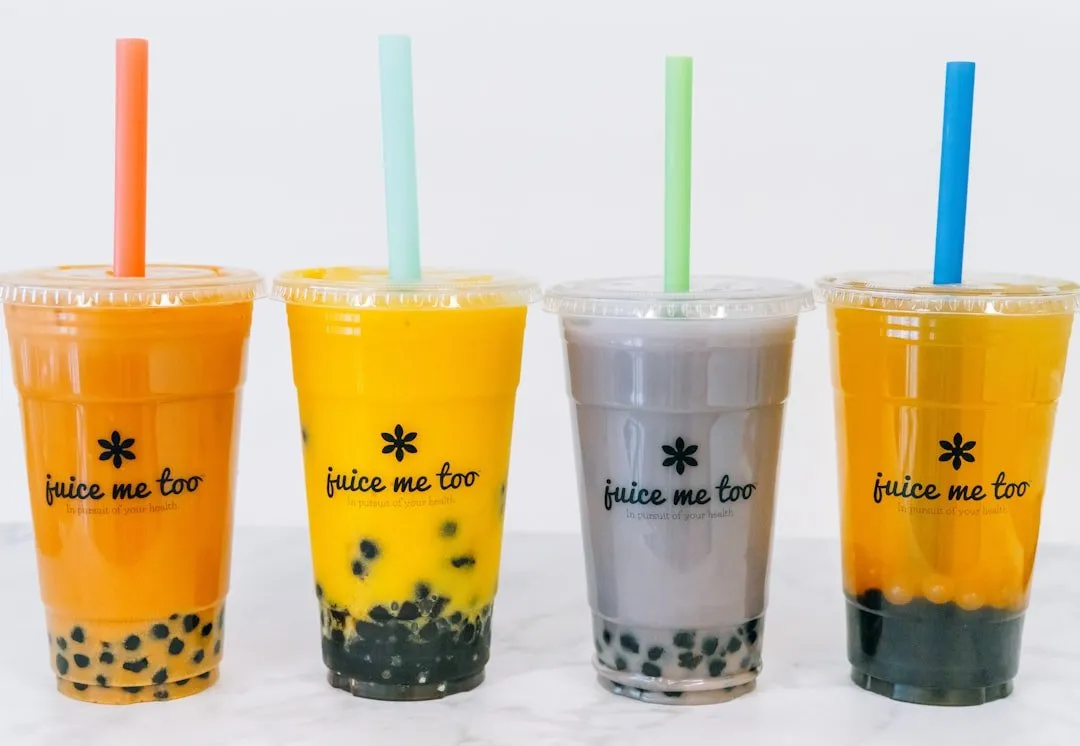
Boba tea has become popular because it offers choice. Customers can adjust sweetness, ice, toppings, milk type, flavor, and size. But one area that deserves more attention is caffeine.
Many customers enjoy classic milk tea for its tea flavor and gentle energy boost. Others want the same boba experience without caffeine. They may be ordering at night, choosing drinks for children, avoiding stimulants, or looking for a lighter lifestyle-friendly option.
This is why caffeine free boba tea can be a smart menu category for modern boba shops.
A shop that offers clear caffeine-free options can serve more customers, reduce ordering confusion, and position itself as a more thoughtful beverage brand.
Why Caffeine Free Boba Tea Matters for Boba Businesses
Caffeine questions are becoming more common at boba shops.
Customers want to know whether milk tea contains caffeine, whether fruit tea is tea-based, whether children can drink certain menu items, and whether a late-night order will affect sleep.
A menu with caffeine free boba tea options helps answer these questions before customers reach the counter.
This matters because clear choices improve the customer experience. When people understand the menu, they order more confidently. They are also more likely to try new drinks instead of choosing the same familiar item every time.
For franchise operators, caffeine-free options can also support consistency. If every store uses the same menu labels and staff training, customers receive the same information across different locations.
Understanding Where Caffeine Comes From
Before building caffeine-free options, shops need to understand which ingredients contain caffeine.
Black tea, green tea, oolong tea, jasmine tea, and matcha naturally contain caffeine. Coffee-based drinks and cocoa-heavy drinks may also contain caffeine.
Tapioca pearls usually do not contain caffeine. Most jelly toppings, pudding, aloe, and popping boba are also caffeine-free unless they include tea, coffee, or chocolate flavoring.
This means caffeine-free menu planning starts with the drink base.
A brown sugar fresh milk may be caffeine-free if it contains no tea. A brown sugar milk tea contains caffeine if tea is part of the recipe. A mango smoothie may be caffeine-free, while a mango green tea is not.
Small wording differences can create big differences in customer expectations.
Best Caffeine Free Boba Tea Categories for Menus
Fresh Milk Drinks
Fresh milk drinks are one of the easiest ways to offer caffeine free boba tea.
Brown sugar fresh milk, strawberry fresh milk, honey milk, taro milk, and vanilla milk can all work well with tapioca pearls. These drinks are creamy, familiar, and easy for customers to understand.
They are also good choices for customers who want dessert-style boba without tea.
Smoothies and Slushes
Smoothies and slushes can appeal to customers who want something refreshing and caffeine-free.
Popular flavors may include mango, strawberry, grape, peach, taro, passion fruit, and lychee. These drinks are especially useful in warm climates or during summer promotions.
Shops should make sure that smoothie bases do not include green tea or tea concentrate if they are labeled caffeine-free.
Fruit Infusions
Fruit infusions can be designed as light, caffeine-free alternatives to fruit tea.
Since many fruit teas use green tea or jasmine tea, customers may not realize they contain caffeine. Offering fruit infusions made with juice, sparkling water, or herbal bases can give customers a clearer tea-free option.
Herbal and Grain-Based Drinks
Herbal or grain-based drinks can help diversify the menu.
Barley-based drinks, certain herbal infusions, and other non-tea bases may appeal to customers who prefer less creamy and less sugary options. These drinks can also help a shop stand out from competitors that focus mainly on milk tea.
How to Label Caffeine Free Boba Tea Clearly
Menu labeling is important.
If a drink is caffeine-free, customers should be able to see that quickly. Shops can use icons, menu sections, or short descriptions to identify tea-free items.
Useful labels may include:
- Caffeine-free
- Tea-free
- Fresh milk base
- Fruit infusion
- Kid-friendly option
- Evening-friendly option
Clear labeling helps both customers and staff. It also reduces the risk of misunderstanding when drinks have similar names.
For example, “brown sugar fresh milk” and “brown sugar milk tea” should be clearly separated because one may be caffeine-free and the other is tea-based.
Training Staff to Explain Caffeine-Free Choices
Staff training is essential.
Employees should know which drinks contain caffeine, which toppings are caffeine-free, and which recipes can be modified. They should also understand how to explain the difference simply.
For example, staff can say, “Our milk teas use tea and contain caffeine, but our fresh milk drinks do not contain tea.” This type of explanation is clear and easy for customers to understand.
Training should also cover common questions, such as:
- Does fruit tea have caffeine?
- Is taro boba caffeine-free?
- Can brown sugar boba be made without tea?
- Which drinks are best for kids?
- Which drinks are better at night?
When staff can answer quickly, the ordering process feels smoother.
Product Development Opportunities
Caffeine-free drinks can support product innovation.
A shop may create signature caffeine free boba tea drinks that feel just as exciting as classic milk tea. For example, a brown sugar fresh milk series can focus on richness and texture. A fruit smoothie series can focus on freshness. A sparkling fruit boba series can feel lighter and more modern.
Caffeine-free drinks can also support seasonal promotions.
Summer menus may feature mango smoothies, lychee refreshers, or passion fruit infusions. Winter menus may feature warm taro milk or brown sugar milk drinks.
This gives customers more reasons to return, even if they are not looking for tea-based drinks.
Caffeine Free Boba Tea and Customer Segmentation
Different customer groups may look for caffeine-free options for different reasons.
Families may want kid-friendly drinks. Students may want evening drinks that do not affect sleep. Office workers may want a sweet treat without another caffeine boost. Health-conscious customers may want more control over what they consume.
A boba shop can use these needs to create clearer menu positioning.
For example, a menu could recommend caffeine-free drinks for night cravings, family orders, dessert lovers, or people sensitive to caffeine. This makes the menu more personal and easier to navigate.
Balancing Caffeinated and Caffeine-Free Drinks
A strong boba menu should not remove classic tea-based drinks.
Black milk tea, jasmine green tea, oolong milk tea, and matcha drinks are still important. Many customers enjoy tea flavor and expect these items from a boba shop.
The goal is balance.
Caffeine free boba tea gives customers more choice without replacing traditional favorites. It helps the shop serve more occasions, from afternoon tea breaks to after-dinner desserts.
This balance can make the brand more flexible and competitive.
Why Caffeine-Free Choices Support Repeat Visits
Customers return to shops that fit different moments in their lives.
A person may order caffeinated milk tea during the workday and caffeine-free brown sugar fresh milk at night. A parent may buy green tea for themselves and a smoothie with pearls for their child. A group of friends may appreciate a menu that offers something for everyone.
When the menu supports more occasions, it becomes easier for customers to choose the same shop repeatedly.
That is the business value of caffeine-free options.
Conclusion
Caffeine free boba tea is more than a niche menu item. It is a practical way for boba shops to serve customers who want tea-free, evening-friendly, kid-friendly, or stimulant-free drinks.
By offering fresh milk drinks, smoothies, fruit infusions, and herbal bases, shops can expand their menu while keeping the boba experience fun and customizable.
Clear labels, staff training, and thoughtful product development can make caffeine-free choices easier to order and easier to market.
 ENGR NEWSWIRE
 Admin