

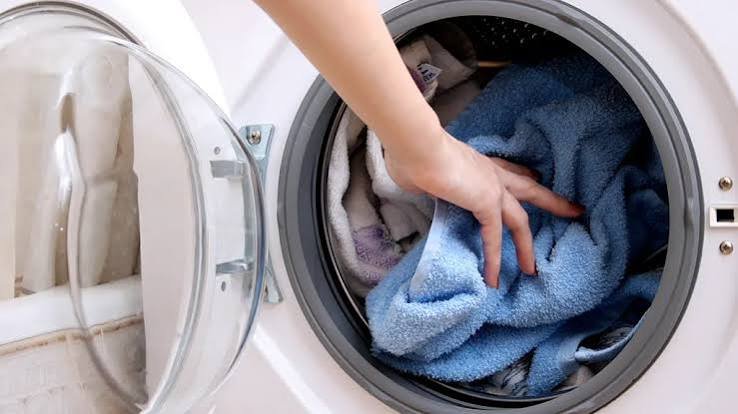
A washing machine that stops spinning can quickly turn an ordinary household chore into a frustrating problem. Clothes may come out soaking wet, water may remain inside the drum, or the machine may complete its wash cycle without properly removing excess moisture. Before considering a replacement, it is worth identifying what is preventing the spin cycle from working.
Several issues can cause this problem, ranging from an uneven laundry load to a blocked drain or a worn mechanical component. Some can be addressed with simple troubleshooting, while others require professional assistance. For homeowners who need appliance repair in Bradford or nearby communities, understanding the possible causes can help determine the next steps.
This guide explains the most common reasons a washing machine will not spin, practical troubleshooting steps, and when professional washer repair in Barrie may be the better option.
The Most Common Culprits Behind a Non-Spinning Washer
A washing machine relies on several components working together to wash, drain, and spin clothes. When one part fails or a safety condition is detected, the appliance may prevent the drum from reaching its normal spin speed.
Before assuming that the motor has failed, check for the following common causes.
1. An Unbalanced Load
An unevenly distributed load is one of the simplest reasons a washing machine may refuse to spin properly. Heavy towels, blankets, or a single bulky garment can collect on one side of the drum, creating an imbalance.
Modern washing machines often detect excessive movement and reduce the spin speed or pause the cycle to protect the appliance from damage.
What you can do: Pause the cycle and wait until the door or lid unlocks. Redistribute the laundry evenly inside the drum, remove a bulky item if necessary, and select the spin cycle again. Avoid overloading the machine.
If the washer repeatedly becomes unbalanced with ordinary loads, the suspension components, leveling, or another mechanical issue may need inspection.
2. The Lid Switch Assembly
Many top-loading washing machines include a lid switch that prevents the spin cycle from operating when the lid is open. If the switch becomes damaged, misaligned, or defective, the machine may incorrectly detect that the lid is not securely closed.
You might notice that the washer fills with water or agitates but fails to spin when the cycle reaches that stage.
What you can do: Check that the lid closes properly and that there is no visible obstruction preventing it from latching. If the machine continues to behave abnormally, the lid switch may need professional testing and replacement.
Never bypass the lid switch or attempt to operate the washer with its safety mechanism disabled.
3. A Clogged Drain Pump or Hose
A washing machine usually needs to drain most of the water before it can perform a high-speed spin. If water remains in the drum, a blocked drain hose, clogged pump filter, or faulty drain pump may be responsible.
Coins, lint, small clothing items, and other debris can sometimes obstruct the drainage system. Symptoms may include standing water, slow draining, unusual pump noises, or an error code.
What you can do: Switch off the machine and consult the manufacturer’s instructions for checking the drain hose or accessible pump filter. Be prepared for residual water when opening a filter, and never remove a component while the appliance is connected to power.
If the blockage cannot be safely accessed or the pump appears defective, arrange professional washing machine repair.
Diving Deeper: Mechanical Failures in Central Ontario Homes
When basic troubleshooting does not solve the problem, the cause may involve internal components that require technical inspection. Wear and tear, frequent use, improper loading, and inadequate maintenance can all contribute to mechanical failures.
For households throughout the region, professional appliance repair in Central Ontario can help identify the underlying fault and determine whether repairing the machine is a practical choice.
4. A Broken Drive Belt
Some washing machines use a drive belt to transfer power from the motor to the drum. Over time, the belt can stretch, wear down, slip, or break.
A washer with a damaged belt may produce motor noise without rotating the drum properly. In other cases, the machine may stop spinning altogether.
What you can do: Disconnect the appliance from its power supply and avoid repeatedly restarting it. Inspecting or replacing a drive belt generally requires access to internal components, so consult a qualified technician if you suspect belt damage.
A professional can also check whether another mechanical problem caused the belt to fail in the first place.
5. A Worn-Out Motor Coupler
Some direct-drive washing machines use a motor coupler to connect the motor to the transmission. This component helps transfer rotational power and may wear out after prolonged use or repeated overloading.
When the coupler fails, the washer may make noise or agitate poorly without completing the spin cycle correctly.
What you can do: Observe whether the machine fills and washes normally but struggles during spinning. These symptoms can help a technician narrow down the possibilities, although they do not confirm a coupler failure on their own.
Replacing the coupler requires disassembly and knowledge of the particular washer design. A technician should also inspect related components before completing the repair.
6. A Faulty Shift Actuator in Top-Loading Washers
Certain top-loading washing machines use a shift actuator to change the transmission between different operating modes. If this component malfunctions, the washer may agitate during washing but fail to transition into the spin cycle.
Depending on the model, other symptoms may include unusual noises, cycle interruptions, or a displayed error code.
What you can do: Record any error codes and check the owner’s manual for model-specific guidance. Avoid replacing the actuator based solely on symptoms, since wiring faults, control problems, or other mechanical issues can produce similar behavior.
A qualified appliance technician can test the relevant components and recommend the appropriate repair.
When to Call for Washer Repair in Barrie
Simple issues such as an unbalanced load or an obstructed accessible drain filter may be manageable at home. However, internal electrical faults, motor problems, damaged bearings, and transmission failures generally require specialized tools and experience.
Consider arranging professional washer repair in Barrie if:
- The washer repeatedly fails to spin despite balanced loads.
- Water remains inside the drum after the cycle.
- You hear grinding, banging, or loud roaring noises.
- The machine displays recurring error codes.
- The appliance leaks water or trips the electrical breaker.
- You notice a burning smell or visible signs of electrical damage.
If you smell burning or suspect an electrical fault, stop using the washer and disconnect the power only if it is safe to do so.
A technician can inspect the drainage system, drive components, motor, sensors, and control system to determine the actual cause. This approach helps prevent unnecessary part replacements and repeated breakdowns.
Homeowners looking for appliance repair in Bradford, Barrie, or other parts of Central Ontario can contact a local service provider to discuss the symptoms and arrange an inspection.
Pro-Tips to Prevent Future Spin Cycle Issues
Although some mechanical failures are unavoidable, good laundry habits and regular care can help reduce unnecessary strain on a washing machine.
Avoid overloading the drum. Follow the manufacturer’s load recommendations. Excessive weight can put additional pressure on the motor, suspension, and drive components.
Use the correct detergent. High-efficiency washers should use compatible HE detergent in the recommended quantity. Excessive suds can interfere with rinsing and drainage.
Check clothing pockets. Remove coins, screws, tissues, and other small objects before loading laundry. Foreign objects can obstruct drainage components or damage internal parts.
Keep the washer level. Adjust the leveling feet according to the manufacturer’s instructions. A machine that rocks excessively may vibrate more and experience additional wear.
Inspect drainage components. Clean accessible filters as recommended in the owner’s manual and check for visible hose obstructions.
Leave the machine clean and dry. Follow the manufacturer’s guidance for cleaning the drum, detergent dispenser, and door seal. Proper care can help reduce residue and unpleasant odors.
Address unusual noises early. Grinding, repeated banging, or changes in spin performance should not be ignored. Early inspection may help identify a developing problem before further damage occurs.
Frequently Asked Questions (FAQs)
1. Why is my washing machine not spinning but still draining?
If the washer drains but does not spin, possible causes include an unbalanced load, a faulty lid lock, a worn drive belt, a damaged motor coupler, or a problem with the motor or control system. Check the load and lid first. If the problem persists, professional diagnosis may be necessary.
2. Can I fix a washing machine that won’t spin myself?
Some problems can be resolved without professional help. Redistributing clothes, checking the machine’s leveling, and inspecting an accessible drain filter according to the manufacturer’s instructions are reasonable first steps. Electrical faults and internal mechanical repairs should be handled by a qualified technician.
3. Is it safe to run a washing machine that makes a loud noise during spinning?
It is best to stop the cycle if the washer makes loud grinding, banging, or roaring noises. These sounds can indicate an unbalanced load, a foreign object, worn bearings, or another mechanical problem. Continued operation could worsen the damage.
4. How much does washing machine repair cost in Barrie?
The cost depends on the appliance’s brand, model, diagnosis, replacement parts, and labor required. A minor repair may be relatively inexpensive, while motor, bearing, or transmission work can cost considerably more. Request a diagnostic assessment and estimate before approving the repair.
5. When should I replace a washing machine instead of repairing it?
Replacement may be worth considering when the machine has frequent breakdowns, major component damage, poor performance, or repair costs that approach the price of a suitable replacement. Compare the estimated repair cost, appliance age, condition, and expected remaining service life before deciding.
 Wild Rise
  IQ newswire