

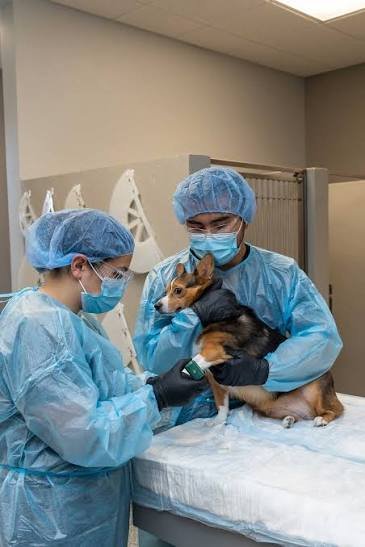
You are trying to help your pet through cancer treatment while holding yourself together at the same time. One appointment can feel manageable, then the next day brings nausea, a low appetite, or that tired look in your dog or cat’s eyes, and suddenly everything feels heavier. Chemotherapy is not only about treating disease. It is also about keeping your pet as comfortable, calm, and steady as possible through each visit and the days that follow. Working with a trusted veterinary clinic near League City can help you feel supported through every step.
That is where an animal hospital matters. Good cancer care does not stop with the medication itself. It includes pain control, nausea support, careful monitoring, quiet handling, nutrition guidance, and a plan for the moments when your pet does not seem like themselves. How animal hospitals provide comfort during chemotherapy comes down to one simple goal. They work to treat the cancer without losing sight of your pet’s day to day quality of life.
Animal hospitals support comfort before, during, and after chemotherapy
Many pet owners expect chemotherapy to be harsh because they are thinking of human cancer treatment. Veterinary oncology often has a different focus. The goal is usually to control cancer while preserving comfort and function, not to push treatment at any cost. That shift matters. It affects the drug choice, the dose, the schedule, and the kind of support your pet receives at every stage.
Before treatment starts, an animal hospital checks far more than a diagnosis. Bloodwork, imaging, weight, hydration, organ function, and your pet’s normal habits all shape the plan. If your dog already has a sensitive stomach, or your cat gets stressed by travel, the team adjusts around that. Those details are not side issues. They are part of treatment.
During chemotherapy visits, comfort often comes from small things done well. Staff may use calm, low stress handling, padded spaces, warm blankets, quiet rooms, and gentle restraint. Some pets need anti nausea medicine before treatment. Some need fluids. Some do better with shorter visits or a set routine so they know what to expect. These steps can seem minor until you have a pet who walks in less afraid because the hospital has learned how to make the day easier.
After treatment, support continues at home. You may leave with medications for nausea, diarrhea, appetite loss, or pain. You may also get feeding tips, activity guidance, and a list of signs that need a call back right away. That follow up is a big part of pet chemotherapy comfort care. The treatment is one piece. The recovery between visits is where comfort is protected.
Veterinary teaching hospitals and oncology services often outline this quality of life approach clearly. Washington State University’s veterinary oncology service and the University of Illinois oncology team both reflect the kind of specialized care many families look for when a pet needs cancer treatment and close symptom management.
Chemotherapy comfort in animal hospitals reduces stress for pets and owners
The hard part is that discomfort is not always dramatic. A pet may not cry or limp. They may just seem quieter, sleep more, turn away from food, or hide. You can end up second guessing yourself. Is this normal fatigue, or is something wrong? Should you wait, or call? That uncertainty is exhausting.
Animal hospitals help by giving structure to those gray areas. They tell you what side effects are common, what timing to expect, and what changes cross the line from manageable to urgent. They also track trends over time. If your pet tolerated the first round well but struggled after the second, the team can adjust the next dose or add more support. That is one reason chemotherapy care for pets works best when comfort monitoring is built into the plan, not treated as an afterthought.
Cost can add another layer of stress. Supportive care, lab work, and follow up visits do affect the total price. Still, comfort measures often prevent bigger problems. A pet whose nausea is treated early may avoid dehydration and an emergency visit. A pet whose blood counts are monitored on schedule is less likely to face complications that become harder, and more expensive, to manage.
Comfort measures during veterinary cancer treatment vary by need
| Comfort Measure | What It Helps With | What It May Look Like |
|---|---|---|
| Anti nausea medication | Vomiting, lip smacking, food refusal, drooling | Medicine given before treatment or sent home for the next few days |
| Pain control | Aching, restlessness, poor sleep, reluctance to move | Daily pain medicine, adjusted dosing, or added therapies |
| Fluid support | Dehydration, weakness, poor intake | Fluids during the visit or guidance on hydration at home |
| Nutrition support | Weight loss, low appetite, muscle loss | Diet changes, appetite support, hand feeding strategies |
| Low stress handling | Fear, shaking, resistance during visits | Quiet rooms, gentle restraint, treats, familiar blankets |
| Lab monitoring | Hidden side effects, unsafe blood count changes | Bloodwork before or after treatment to guide safe adjustments |
Not every pet needs every measure. A young dog with lymphoma may bounce back quickly after each session. An older cat with another chronic illness may need more support around eating, hydration, and stress. The best animal hospital care responds to the pet in front of them, not a fixed script.
Clear steps help you protect your pet’s comfort during chemotherapy
Track daily changes. Write down appetite, water intake, energy, bathroom habits, vomiting, and mood. Small patterns matter. If your pet eats half their usual breakfast for two days in a row, that tells the oncology team more than a vague sense that something feels off.
Ask for a side effect plan before each treatment. You should know what is expected, what is not, and who to call after hours. Ask when nausea usually shows up, how long fatigue should last, and whether your pet should receive preventive medications at home.
Build comfort into the trip itself. Bring a familiar blanket, avoid long waits if the hospital offers drop off options, and schedule visits at the time of day your pet is usually calmest. If travel causes stress, say so. Animal hospitals can often suggest medications or handling changes that make appointments easier.
Quality of life stays at the center of veterinary chemotherapy
Cancer treatment can make you feel like every decision carries too much weight. The good news is that comfort is not separate from care. It is care. A thoughtful animal hospital watches how your pet feels, not just how the cancer responds, and that balance is what helps many pets keep enjoying meals, rest, walks, attention, and ordinary days during treatment.
If your pet is starting chemotherapy or struggling during it, ask the animal hospital what comfort measures are already part of the plan and what can be added. You do not need to wait for things to get worse before asking for help.
 HG Star
  Sky News Agency
  ENGR NEWSWIRE