

Every corporate event is a live expression of what a company stands for. Whether it’s a packed trade show floor or a small team offsite in the mountains, the way employees look, move, and present themselves shapes how the brand is perceived, by clients and by the team itself. Apparel is one of the simplest and most visible tools for making that impression consistent.
Why Brand Consistency Matters Beyond Marketing Materials
Most conversations about brand consistency focus on logos, color palettes, and slide decks. But a brand is experienced in person just as much as it is on a screen, and events are where the gap between intention and execution becomes obvious.
According to a BizBash and Cvent report, only 35% of event planners are “very satisfied” with branding consistency across their small events, and 20% cite inconsistent design across event materials as a top challenge. That dissatisfaction points to a real problem: companies invest in polished digital assets and then show up to events where the physical presentation tells a completely different story.
Apparel closes that gap. When everyone on the team is dressed in coordinated, branded clothing, the brand stops being something on a banner and becomes something people can see, approach, and remember. No explanation required.
Choosing Apparel for Different Types of Corporate Events
Not every event calls for the same look. A well-planned apparel strategy accounts for the setting, the audience, and the level of formality the moment requires.
T-Shirts and Hats for Outdoor Events and Team Activities
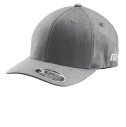
Outdoor company events, charity runs, field days, and team retreats call for clothing that performs as well as it represents. Lightweight t-shirts in brand colors give teams a unified look without sacrificing comfort in warm weather. Custom hats are particularly effective here because they serve a practical purpose while keeping the logo visible from a distance, which matters when groups are spread across a large outdoor venue.
For team retreats, matching headwear creates an instant visual cohesion that reinforces the idea that everyone is there together, working toward the same goal. It sounds simple. But the effect on group energy is real.
Polos for Trade Shows, Conferences, and Client Meetings
Trade shows and conferences require a step up in professionalism. Branded polos strike the right balance between approachable and polished. They look intentional without being stiff, and they hold up through long days on a show floor far better than dress shirts ever will.
At client meetings or industry conferences, a team in matching branded polos signals organization and attention to detail before anyone says a word. Clients and prospects notice when a company looks put-together. That first impression carries into the conversation, and sometimes it carries the whole deal.
Balancing Professional Appearance With Employee Comfort
Branded apparel only works when people actually want to wear it. Clothing that fits poorly, uses scratchy fabrics, or runs in sizes that don’t reflect the actual workforce ends up stuffed in a bag and forgotten by Tuesday afternoon.
The practical checklist for getting this right:
- Offer a range of fits and sizes, including extended sizes, so every employee feels included rather than accommodated as an afterthought.
- Choose fabrics appropriate for the activity, such as moisture-wicking materials for outdoor events and breathable cotton blends for indoor settings.
- Prioritize construction quality, because thin, flimsy apparel communicates the opposite of what a brand wants to project.
- Let employees preview samples before finalizing a bulk order, especially for new styles or vendors.
When employees are comfortable in what they’re wearing, it shows. They carry themselves differently, and that confidence translates directly into how they represent the company.
Coordinating Apparel Across Departments and Locations
Larger organizations face a coordination challenge that smaller teams don’t. When multiple departments or regional offices attend the same event, or run their own separate events at the same time, keeping the look consistent takes real planning.
Establish a Single Source of Truth
A centralized apparel standard, even just a one-page document specifying approved colors, logo placement, and garment types, prevents teams from improvising in ways that dilute the brand. Marketing or HR doesn’t need to control every detail, but a baseline standard keeps things recognizable across the board.
Use Color to Differentiate Without Fragmenting
Some companies use slight color variations to distinguish departments while keeping the overall palette on-brand. A sales team might wear navy while the operations team wears slate gray, but both use the same logo and cut. Teams feel distinct without creating a visual free-for-all.
Centralize Ordering When Possible
When each location orders independently, quality and style inconsistencies creep in. Centralizing the order, even if items ship to multiple locations, keeps the product consistent and often cuts per-unit costs.
Planning Sizes, Quantities, and Orders Ahead of Event Dates
Rushed orders are the most common reason branded apparel falls short of expectations. Printing, embroidery, and fulfillment take time, and the closer an order is placed to an event date, the fewer options remain available.
Start the ordering process at least four to six weeks before the event. For large-scale events with hundreds of attendees, eight weeks is more realistic. This timeline allows for sample review, size adjustments, and shipping without paying premium rush fees.
Order a modest buffer of extra units in the most common sizes, too. Employees leave, new hires join, and sizes change. A small reserve on hand prevents the awkward situation of someone showing up to a company event without a shirt.
Extending the Brand Experience After the Event Ends
According to Snappy’s 2026 Workforce Study, 87% of employees feel proud of their company when wearing branded swag, and 79% say it makes them feel more connected to their colleagues. Those numbers hold long after the event itself wraps up.
Apparel that employees genuinely like wearing becomes a form of ongoing brand exposure. A well-made hat or a comfortable t-shirt from a company retreat gets worn on weekends, at the gym, around the neighborhood. Places no paid media can reach.
This is why quality matters so much at the selection stage. An item people are proud to wear keeps working for the brand for months. An item that ends up at the bottom of a drawer stops working the moment the event ends.
The Takeaway
Corporate events are too visible and too expensive to leave the brand experience to chance. Apparel is one of the most cost-effective ways to create a consistent, professional look across every format, from a crowded trade show booth to a remote team retreat. The companies that get it right treat clothing as part of the event strategy, not an afterthought, and the difference is apparent the moment their team walks in the room.
Sources used
Every statistic in the article links to its source inline. This list repeats those sources so a link builder can place them by hand if a host strips inline links.
 Apex Apex
 Sky Bloom IT