

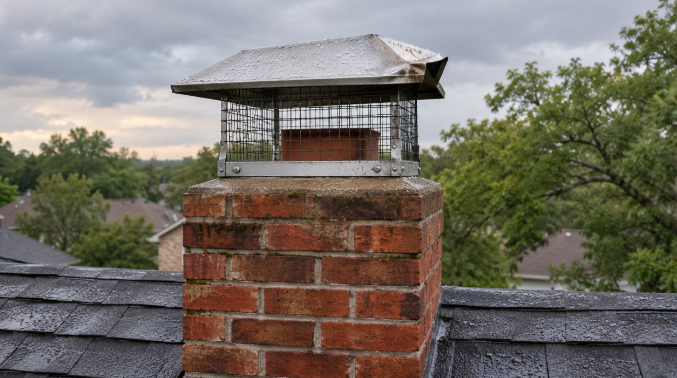
Cold weather often brings a fireplace back into daily use after months of inactivity. Unfortunately, that is also when long-standing problems become noticeable. A strange smell, falling masonry dust or smoke that enters the room should be taken seriously, not treated as a normal feature of an older fireplace.
Start with the symptom, not the assumed cause
A smoky room might reflect a venting problem, a blockage or an interaction with the home’s airflow. A deteriorating firebox may present loose refractory material or visible cracks. Water staining may originate outside the fireplace altogether. Different symptoms require different investigations. Before contacting a specialist, record when the problem occurs and whether it has changed. Before arranging fireplace repair in Dallas, document the symptoms and ask how the specialist will investigate the cause rather than quote from a photograph alone.
A fireplace is connected to a system designed to contain heat and carry combustion products away from occupied rooms. Changes to the hearth, flue or connected appliances can affect how safely that system performs. Ordinary household cleaning cannot determine whether the flue is suitable for use. If smoke repeatedly enters a room or an alarm indicates a possible carbon monoxide issue, stop using the appliance and follow appropriate emergency guidance. The right response prioritizes safety over continued use.
Rain can enter through damaged caps, crowns, flashing or masonry defects, and moisture can damage surrounding finishes before an exterior problem is obvious. Stains, peeling paint and persistent odours may all justify closer attention. A contractor should try to identify the route of the leak rather than simply conceal the interior mark. Water-related repairs are often most effective when the condition of the surrounding roof and chimney details is considered together.
Ask what a professional service visit includes
A visit for chimney service in Dallas might involve inspection, cleaning or repair, so the scope of the appointment must match the actual concern. If a homeowner needs an inspection before using the fireplace, a cleaning-only visit may not answer the critical questions. Request documentation of findings, any limitations of the inspection and a clear distinction between safety-related repairs and optional maintenance improvements.
Chimneys can be difficult to reach because of roof slope, height or nearby obstacles. A repair might require weather conditions, special equipment or temporary protection of the interior. Ask how the work area will be secured, whether the fireplace must remain unused during curing or repair and how debris will be contained. A written timetable should allow for unexpected damage discovered after exterior materials are removed, especially on older masonry systems.
Build a practical service history
Record inspection dates, previous water leaks, any chimney fires and repairs. Keep photographs and invoices in one place. When a technician visits, this history can help distinguish a new issue from a recurring one. Homeowners should also ask for any maintenance instructions that follow the work, such as monitoring a repaired area or scheduling a later review. A service record is inexpensive to maintain and useful when the home changes hands.
A persistent smell around a fireplace can have multiple explanations, including moisture or accumulated deposits. Smoke entering a room during use raises other concerns about ventilation and safety. Both warrant attention, but they should not automatically be attributed to the same defect. Record whether symptoms appear only during rain, only while burning or even when the fireplace is idle. This timeline can help a qualified professional investigate. Do not test a questionable system by repeatedly lighting fires to reproduce the problem.
Keep renovation changes in the conversation
Replacing windows, adding powerful exhaust fans or modifying heating equipment can change airflow conditions in a house. Tell the chimney professional about relevant work completed since the last successful fireplace use. The technician may need to consider how the entire home interacts with the venting system. A repair to masonry alone will not necessarily address a draft problem influenced by other building changes. The safest approach is an assessment that follows the evidence rather than assuming every symptom requires one standard repair.
If the home has recently changed ownership, ask whether any inspection or repair records were transferred during the sale. Those documents may show the system’s maintenance history or unresolved recommendations. Their absence does not prove a defect, but it is a useful reason to establish a fresh professional baseline before regular use.
A fireplace can add comfort, but only when there is confidence in its condition. Problems involving smoke, masonry damage or moisture should be assessed before the system is returned to regular service. A measured response, backed by professional findings, is safer and usually more economical than treating each symptom as an isolated nuisance.