

Luxury packaging is no longer simply a protective layer surrounding a product. It has become an important part of brand communication, helping products create an immediate visual and tactile impression. In competitive retail environments, premium brands need packaging that can communicate quality, sophistication, exclusivity, and attention to detail before a customer even experiences the product inside.
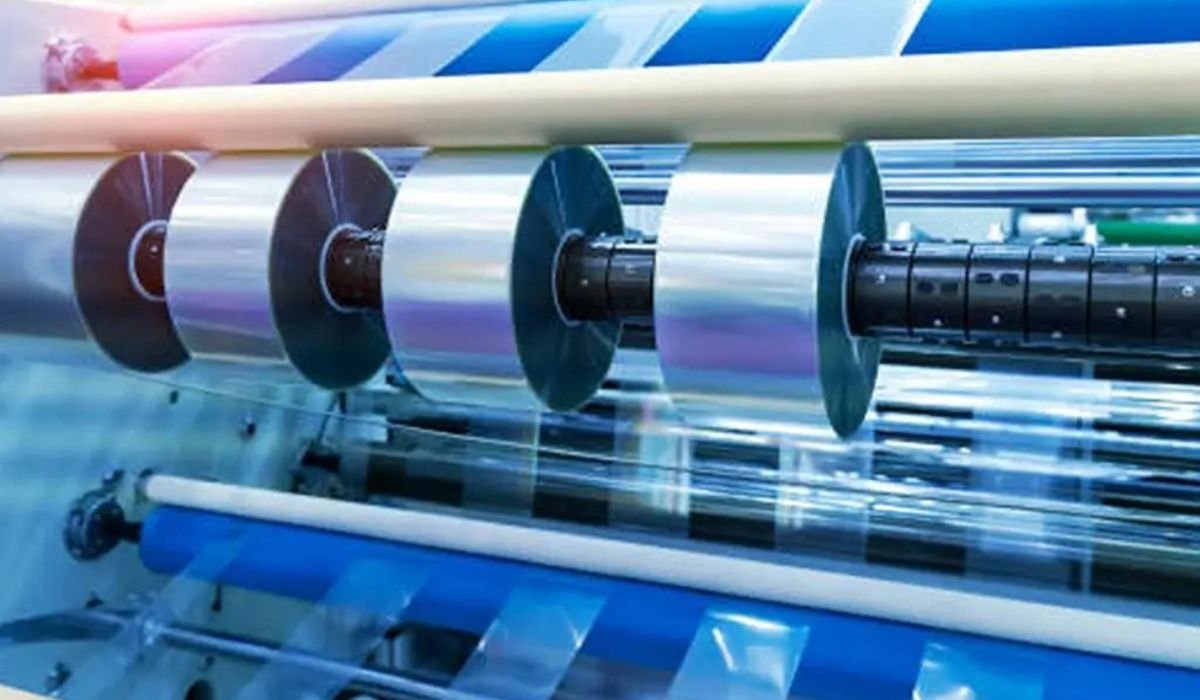
This is where advanced decorative films have become increasingly valuable. Metalized Bopp Film, also known as metalized BOPP film, combines the functional characteristics of biaxially oriented polypropylene with a reflective metallic surface. Its distinctive appearance can transform ordinary packaging into an eye-catching presentation while also contributing useful barrier properties.
From cosmetics and personal care products to premium foods, beverages, gift products, and specialty consumer goods, Metalized BOPP Film offers designers and packaging manufacturers a versatile material for creating luxurious visual effects. Its ability to support metallic finishes, reflective surfaces, sophisticated printing, and customized visual treatments makes it an interesting choice for brands seeking a premium packaging identity.
The Rise of Decorative Luxury Packaging
Modern consumers often encounter products in environments where dozens of competing packages are displayed side by side. A package must communicate its identity quickly. Color, typography, surface finish, texture, and reflective effects all contribute to that first impression.
Luxury brands traditionally relied on materials such as metallic paper, foil, rigid boxes, glass, and specialized coatings to create premium appearances. Flexible packaging, however, has increasingly adopted sophisticated decorative technologies that deliver similar visual impact while supporting lightweight, efficient packaging formats.
Metalized BOPP Film fits naturally into this trend. Its reflective surface can create an elegant metallic appearance without requiring a completely metallic packaging structure. Depending on the design and converting process, it can be incorporated into labels, flexible pouches, wrappers, laminates, and other packaging formats.
Understanding Metalized BOPP Film
BOPP stands for biaxially oriented polypropylene. During manufacturing, the film is stretched in two directions, which contributes to strength, dimensional stability, clarity, and moisture resistance.
When the BOPP surface is metalized, a very thin layer of metal, commonly aluminum, is deposited onto the film under controlled conditions. This creates the characteristic reflective appearance of metalized packaging.
The resulting material can serve both decorative and functional purposes. Its metallic surface can enhance shelf presence, while the metalized layer may improve barrier performance against light, moisture, and certain gases when used in an appropriately designed packaging structure.
For luxury packaging, this dual-purpose nature is particularly attractive because visual enhancement does not necessarily have to come at the expense of packaging functionality.
Creating a Premium Metallic Appearance
One of the most obvious decorative applications of Metalized BOPP Film is its ability to create a metallic visual effect. Silver, gold, and other metallic impressions can immediately communicate sophistication when incorporated thoughtfully into packaging design.
The reflective surface can interact with printed colors and graphics in different ways. Designers can use selected areas of the metallic substrate to create highlights while covering other sections with opaque inks. This lets brands create packaging that combines solid colors with reflective details.
For example, a cosmetics package might use a deep color palette with metallic lettering, while a premium confectionery wrapper could combine rich graphics with gold-like reflective accents. The result can be visually distinctive without requiring decorative elements to be physically attached to the package.
Enhancing Brand Logos and Typography
Brand recognition is central to luxury packaging. Logos, product names, and key messages need to remain visually prominent while fitting naturally into the overall design.
Metalized BOPP Film can help emphasize these elements through selective printing and surface contrast. Metallic backgrounds can make certain typography appear more dimensional, while printed areas can create contrast against reflective sections.
Designers can also experiment with negative-space effects, allowing parts of the metallic substrate to remain visible around or within printed graphics. This approach can create subtle highlights without overwhelming the overall design.
For established luxury brands, such controlled use of metallic effects can reinforce visual identity across product lines while allowing individual products to maintain their own packaging characteristics.
Combining Metalized Surfaces With Color
Metallic packaging does not have to mean an entirely silver or gold appearance. One of the most interesting decorative possibilities comes from combining the reflective surface of Metalized BOPP Film with transparent or semi-transparent inks.
When you print color over a metallic substrate, the underlying reflective effect can influence the ink’s appearance. This can create rich, luminous colors that differ from those produced on a conventional white or opaque film.
Designers can therefore use the metallic layer as part of the visual palette rather than simply treating it as a background. Depending on ink coverage and printing methods, different sections of the package can produce varying levels of shine and depth.
This approach can be especially effective for premium cosmetics, specialty foods, seasonal gift packaging, and limited-edition product collections.
Creating Contrast Through Gloss and Matte Effects
Luxury packaging often relies on contrast rather than excessive decoration. A combination of glossy and matte surfaces can create a refined appearance by letting certain elements draw attention while keeping other areas visually restrained.
Metalized BOPP Film can be incorporated into structures where metallic areas contrast with matte coatings or other surface treatments. For example, a package could feature a predominantly soft matte finish with selected metallic details that catch the light.
This type of contrast gives designers greater control over visual hierarchy. It can guide the consumer’s attention to the brand name, product title, emblem, or a specific decorative element.
The result is often more sophisticated than using metallic effects across the entire package.
Luxury Cosmetics and Personal Care Packaging
The cosmetics and personal care industries have long emphasized packaging aesthetics. Consumers frequently associate packaging appearance with product positioning, making premium visual presentation particularly important.
Metalized BOPP Film can be used for flexible cosmetic pouches, product wraps, labels, sample packaging, and laminated structures. Metallic effects can complement common luxury color palettes such as black, white, champagne, gold, silver, and jewel-inspired tones.
For example, a skincare brand could use a minimal metallic design to communicate sophistication, while a fragrance product might use stronger reflective elements to create a dramatic look.
Because BOPP-based films can support high-quality printing, brands can combine detailed graphics with metallic effects to create packaging that remains recognizable across multiple products.
Premium Food and Confectionery Packaging
Luxury food products also depend heavily on visual presentation. Premium chocolates, specialty coffee, confectionery, gourmet snacks, and gift foods often compete through packaging as much as through product positioning.
Metalized BOPP Film can give these products a premium shelf appearance while meeting the protective requirements of flexible packaging structures.
A chocolate wrapper, for example, can combine rich colors with metallic gold accents to create an upscale appearance. Similarly, premium coffee packaging can use a dark printed background with selected reflective elements to create a sophisticated visual identity.
For food manufacturers, the film’s decorative role can work alongside its functional contribution, helping the package protect the product while presenting it attractively.
Decorative Labels and Brand Differentiation
Labels provide another important application for metalized BOPP materials. In crowded retail environments, a distinctive label can help a product communicate its positioning quickly.
Metallic labels can be designed around a variety of visual themes. A minimalist brand might use a small metallic logo against a clean background, while a festive product could use more extensive metallic graphics.
Combining metallic effects with printing gives designers considerable flexibility. Instead of relying on a single visual treatment, brands can create multiple variations for different product categories, seasons, or promotional collections.
This is particularly useful for businesses that want to maintain consistent branding while differentiating individual products.
Supporting Limited Editions and Seasonal Designs
Luxury brands frequently introduce limited-edition packaging to create visual novelty. Metallic effects suit this purpose because they can make a temporary design feel distinctive without requiring a completely different packaging concept.
For holiday collections, anniversary products, special releases, or premium gift editions, Metalized BOPP Film can be incorporated into designs featuring metallic patterns, reflective typography, and decorative graphics.
The material can help create a visual distinction between a standard product and a special edition while retaining recognizable brand elements.
Balancing Decoration With Packaging Performance
Although appearance is important, luxury packaging must still perform its fundamental protective role. A visually impressive package that fails to maintain product quality does not provide a complete packaging solution.
Metalized BOPP Film can contribute to barrier performance depending on the specific construction and metallization quality. When incorporated appropriately into a multilayer structure, it may reduce light exposure and provide additional protection against moisture and certain gases.
However, packaging designers should evaluate the complete structure rather than assume every metalized BOPP film provides identical barrier performance. Product sensitivity, required shelf life, packaging format, sealing requirements, transportation conditions, and storage environment all influence material selection.
Sustainability and Material Efficiency
Luxury packaging is increasingly being evaluated not only for appearance but also for material efficiency. Brands are exploring ways to create premium visual experiences while managing material consumption and packaging waste.
Flexible films can offer opportunities for lightweight packaging compared with some rigid alternatives. Metalized BOPP Film can contribute to this approach when used as part of a carefully engineered structure that delivers the required performance without unnecessary material.
Sustainability outcomes, however, depend on the entire packaging system, including material composition, thickness, recyclability, manufacturing processes, collection infrastructure, and end-of-life options. Therefore, brands should consider the complete life cycle of the chosen packaging rather than relying solely on the presence of a particular film.
Printing and Converting Considerations
Achieving a high-quality luxury appearance requires careful coordination across film selection, printing, lamination, coating, and converting.
The metalized surface must be compatible with the selected printing technology and ink system. Adhesion, surface treatment, curing, lamination quality, and registration can all affect the final appearance.
Small imperfections may stand out on premium packaging because consumers often associate precision with quality. Manufacturers therefore need consistent process control throughout production.
Working with experienced film suppliers and converters can help brands determine suitable film specifications and finishing techniques for the intended packaging design.
The Future of Decorative Flexible Packaging
As luxury brands continue searching for distinctive ways to communicate quality, decorative flexible films are likely to remain an important part of packaging development. Consumers increasingly encounter products in physical stores, digital marketplaces, social media, and promotional campaigns, making recognizable, visually striking packaging valuable across multiple environments.
Metalized BOPP Film provides a combination of reflective aesthetics, printing versatility, flexibility, and potential barrier functionality. These characteristics allow it to serve as more than a decorative surface. It can become an integrated part of a packaging concept designed around both appearance and performance.
The most effective luxury packaging does not necessarily use the most metallic decoration. Instead, thoughtful design can use reflective surfaces strategically to highlight important elements, create contrast, and establish a distinctive brand identity.
Conclusion
Metalized BOPP Film and BOPP Matte Film have opened new possibilities for brands seeking sophisticated decorative effects in flexible packaging. Its reflective surface can enhance logos, typography, colors, patterns, labels, and other visual elements, while its underlying BOPP structure provides useful packaging characteristics.
From cosmetics and personal care products to premium foods, confectionery, specialty goods, and limited-edition collections, the material helps brands create packaging that captures attention and communicates premium positioning.
When combined with appropriate printing, coating, lamination, and converting technologies, metalized BOPP Film can transform packaging from a simple product container into an important visual component of the brand experience. As packaging design continues to evolve, metalized BOPP’s ability to combine decorative appeal with functional performance makes it an increasingly useful material for modern luxury product packaging.
 Sky News Agency