

Planning something for one person is fairly easy. Planning for ten people with different ages, personalities, budgets, and definitions of “fun” is another story entirely. The best group activities have to do more than look exciting—they need to give people a reason to participate, enough flexibility to feel comfortable, and an experience they can enjoy together.
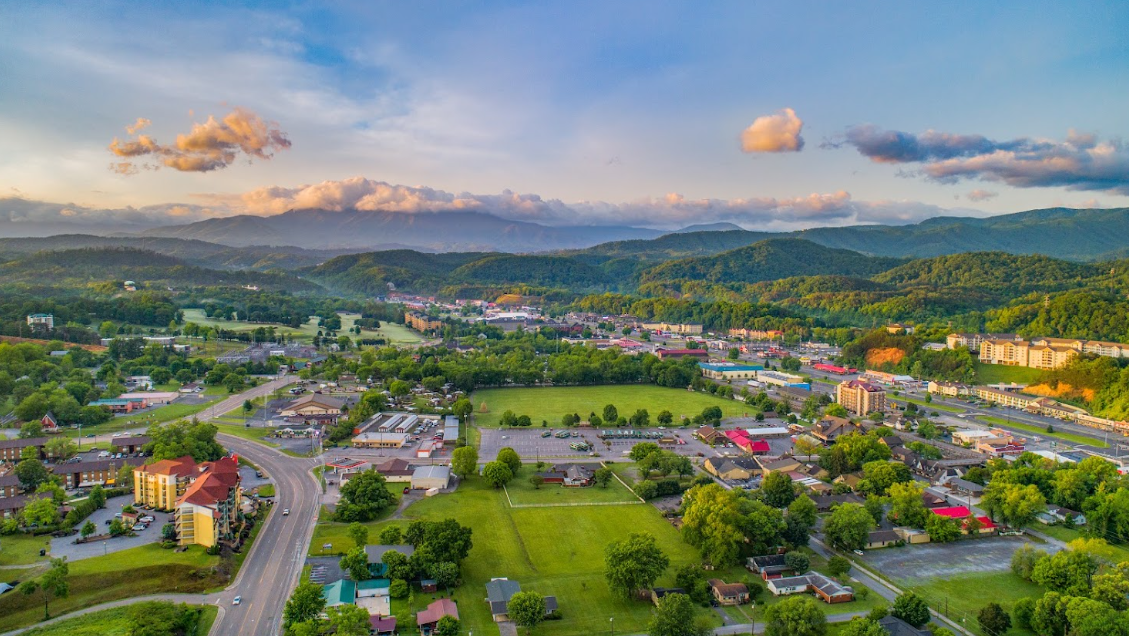
That matters in Pigeon Forge, where more than nine million visitors arrive annually, and the entertainment industry gives groups plenty of choices. With so many possibilities, choosing well is less about finding the flashiest attraction and more about finding an experience that suits the people actually attending.
Start With the People, Not the Activity
It is tempting to find an exciting activity first and persuade everyone else that they will love it.
Try reversing the process.
Think about who is attending. A group of teenagers may want something energetic and competitive. A multigenerational family may need an activity that accommodates different comfort and energy levels. A team outing may work best when the experience encourages interaction without making participation feel forced.
You do not need unanimous enthusiasm for every detail, but you should understand the group’s general personality.
If half the group loves adrenaline and the other half would rather watch from a comfortable distance, an activity that allows both participation and spectating may work better than one that requires everyone to have exactly the same experience.
Make Logistics Part of the Decision
Fun matters, but logistics determine whether everyone is still having fun when they arrive.
Large groups create practical questions that couples and small families rarely need to consider. How will everyone check in? Does the activity need to be booked in advance? Can the group stay together? Are there age or participation requirements? Is there somewhere for people to wait comfortably?
If you’re searching for the best Pigeon Forge attraction for groups, Outdoor Gravity Park offers private-event options built around zorbing, an activity in which participants ride inside large inflatable orbs. Its group options can accommodate occasions such as birthdays, school outings, corporate gatherings, fundraisers, and other private events, making it worth considering when you want the activity itself to become a shared part of the occasion.
Give Different Personalities Room to Enjoy Themselves
A group does not suddenly become one person simply because everyone arrived together.
Some people want to participate in everything. Others like to watch first. Someone will inevitably want to know exactly what happens before agreeing to anything.
That variety is normal.
Rather than trying to make every person participate in exactly the same way, choose an experience with enough flexibility for different personalities. An activity can still feel shared when some people are participating while others are watching, encouraging, taking photographs, or waiting for their turn.
This becomes even more important when the group includes several generations. Practical multigenerational travel planning includes thinking about accessibility and different needs before committing to activities.
A little flexibility usually creates more genuine participation than trying to manufacture enthusiasm.
Don’t Confuse Group Fun With Constant Togetherness
A successful outing does not require everyone to move as one unit every minute.
In fact, forcing a large group to stay together throughout an entire day can make simple decisions surprisingly difficult.
Build the day around a few moments everyone shares, then allow some flexibility around them. The main activity might be something everyone attends, while meals, downtime, or smaller activities can be more relaxed.
That principle works especially well when different people have different interests or energy levels. Thoughtful group-trip planning can involve agreeing on a few central experiences while leaving room for people to spend other parts of the day differently.
You are organizing a good time, not supervising a field exercise.
Think About How Long the Fun Actually Lasts
More time does not automatically mean better value.
An activity that takes several hours may sound impressive, but it can become difficult when you add transportation, waiting, meals, and the time required to get a large group moving in the same direction.
Shorter experiences can sometimes work beautifully because they provide a clear highlight without consuming the entire day.
Think about the full time commitment rather than simply the advertised activity length. Include arrival, check-in, waiting, participation, changing clothes if necessary, gathering everyone afterward, and getting to whatever comes next.
Then add a little breathing room.
Groups are rarely early for everything.
Match the Energy to the Occasion
The purpose of the outing should influence what you choose.
A birthday can support something playful and unusual. A team event may benefit from an experience that naturally creates conversation and shared laughter. A family gathering might call for broader appeal and an environment where participating is not the only way to feel included.
Ask what you want people to feel afterward.
Do you want them energized? Relaxed? Amused? Proud that they tried something new? Slightly competitive about who performed best?
That answer can be more useful than simply asking which attraction has the highest thrill factor.
The activity should support the occasion rather than overpower it.
Look for Something People Wouldn’t Normally Do
Familiar activities are comfortable, but unusual experiences often have stronger memory value.
That does not mean choosing something extreme. Novelty can simply mean giving the group an opportunity to try an activity that is not readily available in everyday life.
There is also a social advantage to doing something unfamiliar together. When nobody is an expert, people tend to laugh at themselves more easily. The group discovers the experience at roughly the same time, which creates natural conversation and shared stories afterward.
Those moments often become the part everyone remembers.
Months later, people may forget what they ate for lunch. They are less likely to forget watching a friend or relative attempt something completely unexpected.
Be Clear About Cost Before Anyone Commits
Money has an impressive ability to make group planning awkward.
Avoid surprises by explaining the expected cost early. If the activity has different packages, optional extras, or separate charges, make those clear before people commit.
This is especially important when attendance includes friends, extended family, students, or colleagues who may have very different budgets.
A slightly less elaborate activity that everyone can comfortably afford may produce a much better atmosphere than an expensive option that leaves some people feeling pressured.
Clarity is kinder than assumptions.
Leave Enough Time for People to Be People
No group schedule survives reality completely intact.
Someone will arrive late. Someone will need food earlier than expected. Someone will take longer to get ready. Another person will disappear at precisely the moment everyone else is prepared to leave.
Plan for it.
Avoid stacking reservations so tightly that a small delay affects the rest of the day. Give people time to arrive, settle in, participate, talk afterward, and move comfortably to whatever comes next.
That extra space also gives the outing a more relaxed feeling.
Nobody wants a fun activity to end with someone shouting, “We have six minutes to get to dinner.”
Choose the Experience People Will Still Mention Later
The best group activity is not necessarily the biggest, longest, or most expensive one.
It is the experience that fits the people attending.
Look for something with manageable logistics, enough flexibility for different personalities, a suitable level of excitement, and a reason for people to interact. Make the cost clear, leave some breathing room in the schedule, and resist the urge to plan every minute.
When those pieces come together, the activity becomes more than something to fill an afternoon.
It becomes the story everyone brings up at the next gathering.
 Admin
Admin