

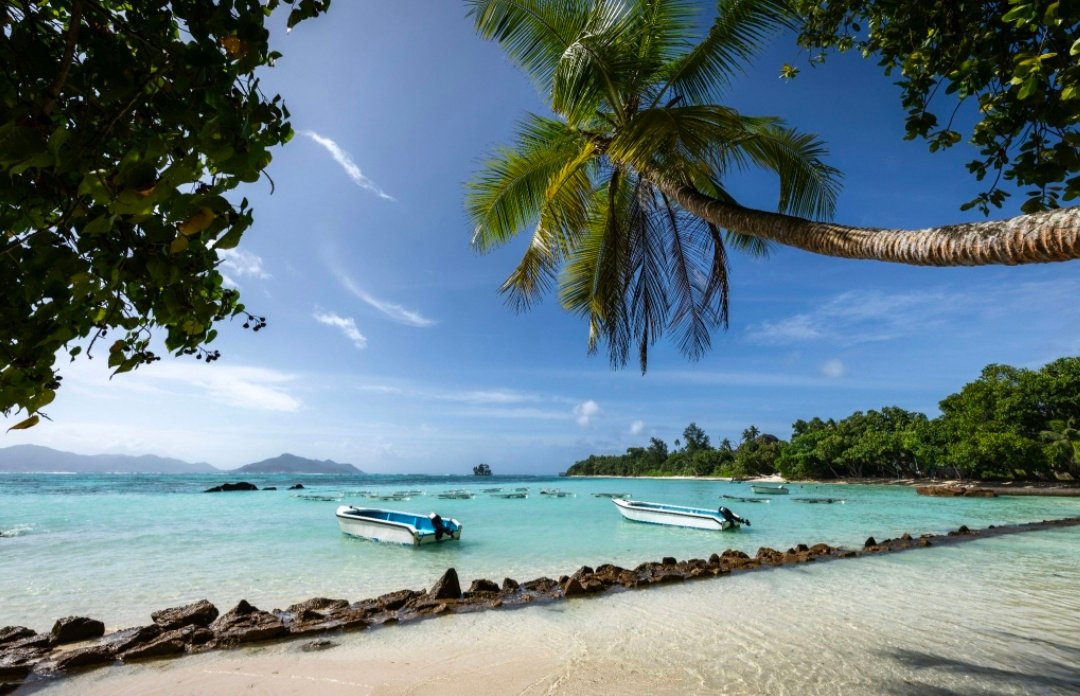
Seychelles has 115 islands scattered throughout the western Indian Ocean, where many of the islands have more tortoises, seabirds and sea turtles than people. Some are so far from the main port that flying is impractical.
Those who wish to find giant tortoises, glassy lagoons, coral walls and quiet mornings are all inclined to come to the same conclusion: the water is the way in. Not many places in the world offer as much reward for that choice as these corners do.
The Sea Reaches Islands That Runways Never Will
There aren’t any airstrips, resorts, or ferries in most of the outer atolls. To reach them, you’ll be spending a few days on the water; hence, the best cruises in Seychelles are much more experiential than a vacation. This is a standard voyage from Mahé through the Outer Islands to Zanzibar (off the Tanzanian coast), possibly continuing to Tanzania.
Small boats go into the lagoons and drop anchor next to the reefs that the larger boats can’t get to, and there’s a naturalist who leads each landing. Staying at a hotel is the only time guests unpack their bags and set off to new destinations each morning.
Aldabra Shelters More Giant Tortoises Than Anywhere Else on Earth
The sea voyage is what makes Aldabra renowned. Made up of four main islands encircled by a shallow lagoon, this raised coral atoll was inscribed on the World Heritage List in 1982 and is one of the least disturbed places on Earth. It has giant tortoises as its resident stars, over 100,000 of them, the largest in the world. Today, just one other location has wild giant tortoises: the Galápagos.
They graze regularly, leaving open patches of grass and keeping it short, thus allowing reptiles, not mammals, to shape the landscape. It is also home to one of the largest colonies of frigatebirds in the world and red-footed boobies, as well as an unusual population of oceanic flamingoes. Tourists cruise on the tenders, and sharks and rays swim around the lagoon below in the mangrove channels.
A Palm Forest on Praslin Once Passed for the Garden of Eden
The second-largest island in the group is hiding a storybook forest in Praslin. The largest seed in the world is the seed of the coco de mer palm, and the Vallée de Mai is home to very few of these trees, covering a mere 20 hectares. Five other endemic palms accompany it.
The reserve is a conservation area, and the Seychelles black parrot is only found on Praslin and is completely reliant on this woodland. General Gordon in the 19th century claimed that the valley was the birthplace of Eden. It’s easy to forgive the claim after an hour on its shaded trails.
Astove’s Coral Wall Drops Away Like an Underwater Grand Canyon
For divers and snorkelers, there is Astove, a remote atoll in the Aldabra group, where they experience the feeling of being small. The iconic wall snakes for four miles along the west coast, tumbling into depths of over 100 m and covered in elegant soft corals. There are rays, sharks, Napoleon wrasse and turtles cruising along the face, and on calm days, you can see up to 30 meters.
Additionally, the island is home to one of Seychelles’ larger green turtle nesting populations. This is an optional scuba dive site; the top of the wall is shallow enough for excellent snorkelling. Further down the line, Alphonse presents a softer look, with a tranquil lagoon where kayakers glide over coral heads and birds rest on the beach.
Paddles, Hiking Boots, and Reef Fins All Earn Their Keep
Adventure on these islands without the pressure. There are days when the land and water are combined, and small groups of visitors travel with a local guide who knows which channel the turtles are in and which shaded path they’re on.
- Kayaking: Slow paddling at sunrise in calm lagoons, and through mangroves in tidal channels of Assumption Island.
- Stand-up paddleboarding: The flat, clear water makes it easy to stand up on a paddleboard, even for novices.
- Forest walking: Forest walks during the short rains are cooler and more productive in the interior, as the forest becomes green.
- Snorkelling and diving: You can snorkel or dive on all the outer walls and sheltered bays, which cater to all levels of skill.
Slow Days at Sea Do the Work of a Retreat
On a trip like this, wellness seldom comes in the form of a class. It stems from the rhythm: a swim before breakfast and a long lunch on deck, a stroll down an empty beach as things turn gold. The mind settles in a few moments without the presence of people and no competing screens.
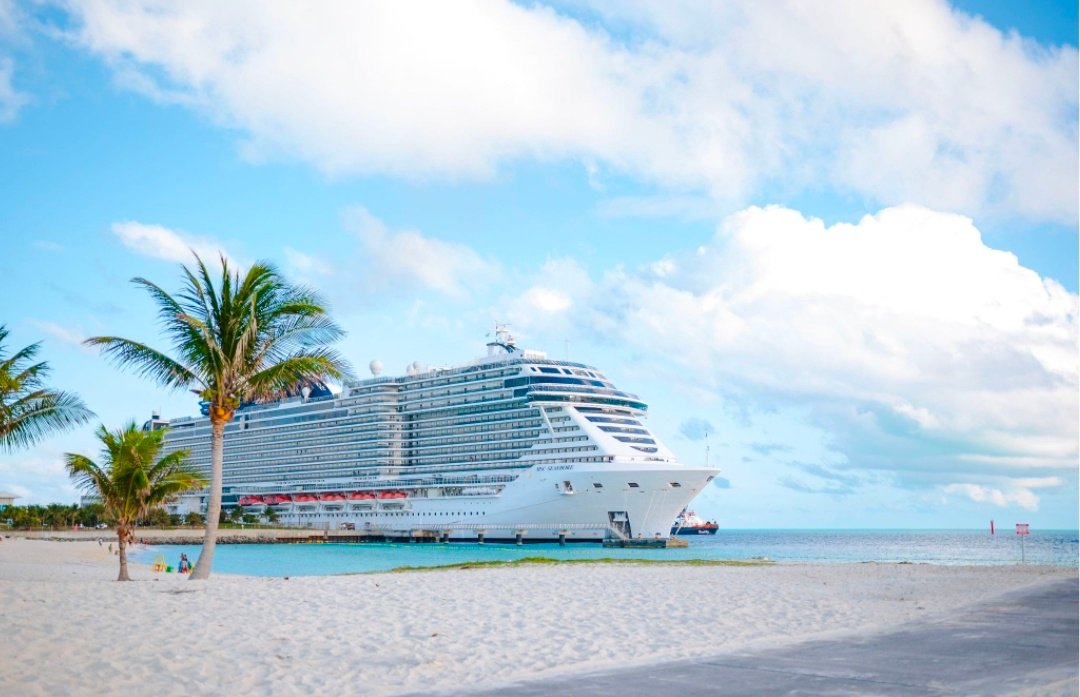
Many small expedition yachts feature an evening hot tub and a quiet lounge, although treatments may incur an extra charge. It’s not like they’re necessary; the setting does much of the work. When the temperature is in the range of 25°C to 32°C, warm air circulates, and soft sea breezes and the gentle lull of the water against the hull make early nights and gentle mornings a natural occurrence.
Zanzibar and Mafia Island Trade Tortoises for Spices and Whale Sharks
Travels to the north continue through Tanzania, where the saga of raw nature gives way to layers of history. The green hills of Zanzibar conceal the remains of a powerful sultanate, and the mangrove forests are located next to the old spice routes that have been the bedrock of the archipelago for centuries.
To the south, Mafia Island is one of the world’s best places to swim with whale sharks, which can be found in Kilindoni Bay from October to March. Clear and sheltered, Chole Bay is one of the best coral gardens in East Africa, and the surrounding area of Chole Island contains remnants of the trading days of the Swahili coast. Here, a couple of days of this make a perfect second act.
November to April Brings the Calmest Seas and the Liveliest Wildlife
The optimal time is from November to April, when the sea is calm, the sky is clear, and the animals are active. The warm temperatures stay year-round, so it is more about water conditions. The same goes for responsible habits. Seychelles has signed a historic agreement to protect 30% of its ocean, over 400,000 square kilometres.
There are simple ways that travellers can help with that work:
- Use reef-safe sunscreen and insect repellent.
- Keep a respectful distance from nesting turtles and wandering tortoises.
- Use a guide when landing or snorkelling.
- Please note that Seychelles and Tanzania have different visa requirements; please verify early.
Set Sail for Your Own Indian Ocean Eden
Seychelles is a country that’s ready to pay those who are willing to take a longer route. The giant tortoises wander over Aldabra, the soft corals sway over Astove’s wall, black parrots rustle over Praslin’s palms, and mornings pass slowly and nights fall silent.
Mix in the spice-scented past of Zanzibar, the gentle whale sharks of Mafia, and the trip hits all the marks for wildlife, wellness and adventure. Any aspiring dreamer should set their sights on the November to April period and opt for small-group sailing, while avoiding the impatience to fit too much into their sailing time.
 Admin
 IQ newswire