

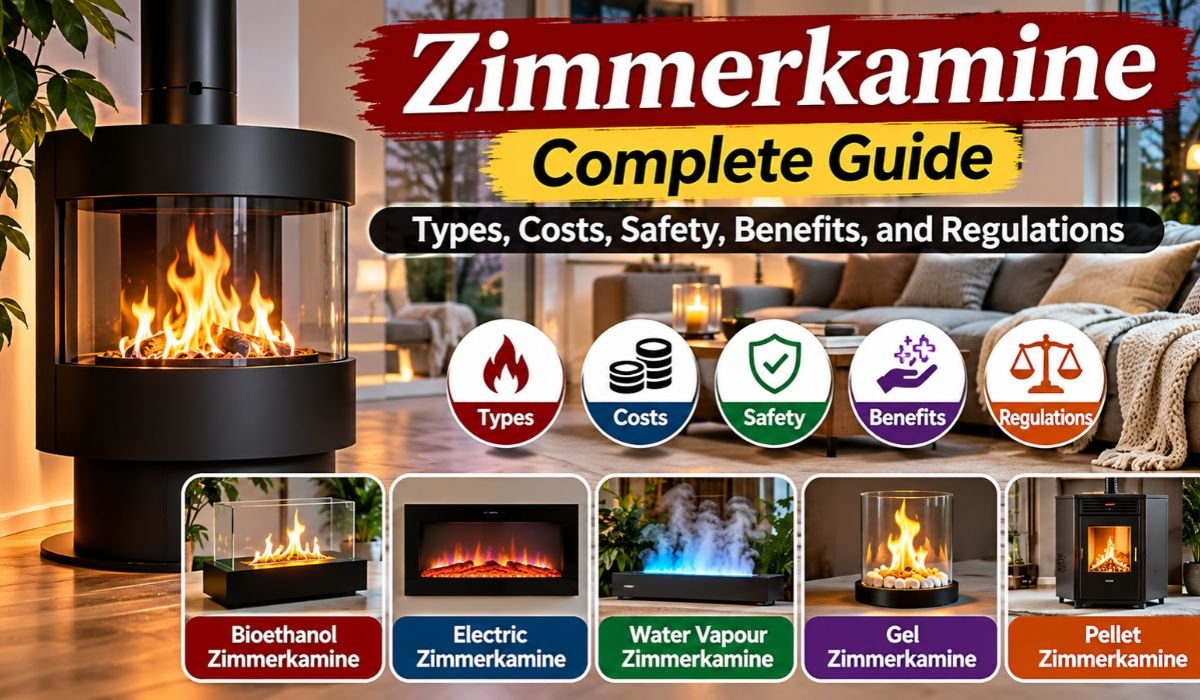
There’s something special about sitting beside a fireplace on a chilly evening. The gentle glow, the welcoming atmosphere, and the feeling of warmth can turn an ordinary living room into a comfortable retreat. But traditional fireplaces aren’t practical for every home. Many apartments and modern houses lack chimneys, while installing a wood-burning fireplace can involve expensive construction work.
That’s where Zimmerkamine come into the picture.
These indoor fireplaces offer homeowners and renters several ways to enjoy the appearance of a fire without necessarily installing a conventional chimney. Some use electricity to create realistic flames, while others burn bioethanol or wood pellets to generate actual heat.
However, choosing a Zimmerkamine isn’t simply about finding an attractive design. Different models have different heating capabilities, operating expenses, safety requirements, and installation restrictions.
This guide explores everything worth knowing about Zimmerkamine in 2026, from the available fireplace types and their benefits to running costs, maintenance, regulations, and practical buying advice.
Quick Information About Zimmerkamine
| Feature | Details |
|---|---|
| Name | Zimmerkamine |
| Singular Form | Zimmerkamin |
| Language Origin | German |
| English Meaning | Room Fireplaces |
| Primary Purpose | Indoor Ambiance and Heating |
| Popular Types | Electric and Bioethanol |
| Other Options | Water Vapour, Gel, and Pellet |
| Real Flame Models | Bioethanol, Gel, and Pellet |
| Artificial Flame Models | Electric and Water Vapour |
| Chimney-Free Options | Electric and Certain Bioethanol Models |
| Flue Requirements | Generally Required for Pellet and Wood Models |
| Electric Heating Output | Commonly Around 1–2 kW |
| Basic Electric Price | Approximately $50–$150 |
| Premium Fireplace Cost | Several Hundred to Several Thousand Dollars |
| Main Safety Concerns | Fire, Burns, Ventilation, and Electrical Hazards |
| Maintenance Requirements | Depend on Fireplace Technology |
| Apartment-Friendly Choice | Suitable Electric Fireplaces |
| Important Buying Factors | Safety, Cost, Heating Capacity, and Installation |
These prices are approximate examples rather than verified current retail quotations. Actual costs depend on the country, manufacturer, and fireplace specifications.
What Are Zimmerkamine?
The term Zimmerkamine comes from German. Zimmer means room, while Kamin translates to fireplace. Zimmerkamin refers to a single room fireplace, and Zimmerkamine is its plural form.
Although the name sounds technical, the concept is straightforward. Zimmerkamine are fireplaces designed for indoor spaces, ranging from decorative electric models to appliances that burn fuel and produce genuine heat.
One important detail often gets overlooked: not every Zimmerkamine is chimney-free.
Electric fireplaces don’t burn fuel, so they don’t need a chimney to remove combustion gases. Bioethanol fireplaces generally operate without traditional smoke flues, although proper ventilation remains essential. Pellet fireplaces, meanwhile, require suitable exhaust systems.
Today’s indoor fireplaces come in freestanding, wall-mounted, recessed, and built-in designs. This variety allows homeowners to choose something that complements their interiors without sacrificing practicality.
The right choice depends on the room, the building, and whether the fireplace is intended primarily for decoration or heating.
How Do Zimmerkamine Work?
Not all Zimmerkamine create flames in the same way. In fact, the technology behind each model can be surprisingly different.
Electric fireplaces rely on lighting effects, reflective surfaces, or digital displays to imitate burning logs and dancing flames. Many include a separate heating element, meaning you can enjoy the fireplace’s appearance without warming the room.
Bioethanol fireplaces take another approach. They burn alcohol-based fuel inside a specially designed burner, producing real flames and releasing heat directly into the surrounding space. Because fuel is burning indoors, ventilation and careful operation are essential.
Water-vapour fireplaces use a combination of fine mist and lighting. When illuminated, the rising vapour resembles moving flames. The effect can look remarkably convincing, even though no combustion takes place.
Pellet fireplaces operate more like conventional heating systems. They burn compressed wood pellets, often using automatic feeding mechanisms and controlled airflow to maintain consistent heating.
Understanding these differences matters because a fireplace designed mainly for decoration won’t necessarily deliver the warmth of a dedicated heating appliance.
Different Types of Zimmerkamine
Zimmerkamine are available in several forms, each with its own advantages and limitations. Some are ideal for small apartments, while others suit larger homes that need additional heating.
Bioethanol Zimmerkamine
Bioethanol fireplaces appeal to people who want genuine flames without installing a traditional wood-burning fireplace.
They burn alcohol-based fuel and are available in a variety of modern designs. Many models don’t require conventional chimneys, making them attractive for properties where extensive construction isn’t possible.
However, real flames bring real responsibilities. Bioethanol combustion releases gases into the room, and the fuel itself is highly flammable. Proper ventilation, suitable placement, and careful refueling are essential.
These fireplaces are best suited to people who value authentic flames and are prepared to follow the manufacturer’s safety instructions.
Electric Zimmerkamine
Electric fireplaces are among the easiest indoor fireplace options to use.
Instead of burning fuel, they create flame effects through lighting technology. Many models include adjustable brightness, thermostats, remote controls, and heating settings.
Their biggest advantage is convenience. There’s no firewood to store, no ash to remove, and no indoor combustion emissions.
Some electric Zimmerkamine can also provide supplemental heating, making them useful during cooler weather.
Nevertheless, electrical safety still matters. The appliance needs a suitable power supply, adequate clearance, and proper maintenance.
Water Vapour Zimmerkamine
Water-vapour fireplaces offer a modern alternative for people who want realistic flames without actual combustion.
They use fine water mist and carefully positioned lighting to create an illusion of rising flames. The visual effect can be particularly impressive in contemporary interiors.
Most water-vapour models are intended primarily for decoration rather than substantial heating.
Their maintenance requirements are relatively straightforward, although water reservoirs and mist-producing components need regular cleaning.
Gel Fuel Zimmerkamine
Gel fireplaces use specially formulated combustible fuel, commonly supplied in containers.
They create genuine flames and may produce a gentle crackling sound, adding to the traditional fireplace atmosphere.
Although the fuel format can be convenient, gel fireplaces still involve fire hazards and combustion emissions.
Users should follow the manufacturer’s instructions closely and never substitute unsuitable fuels or attempt unsafe refueling.
Pellet Zimmerkamine
Pellet fireplaces are designed for people who want more than a decorative flame effect.
These appliances burn compressed wood pellets and can deliver substantial heating output. Many modern models include thermostats and automatic fuel-feeding systems.
Unlike basic electric fireplaces, pellet models generally require professional installation, approved exhaust arrangements, and regular maintenance.
They may be a practical option for homeowners who need meaningful heating and have suitable installation conditions.
Benefits of Zimmerkamine for Modern Homes
One reason Zimmerkamine appeal to homeowners is their ability to change the atmosphere of a room.
A fireplace naturally draws attention, creating a welcoming focal point that can make a living space feel more comfortable. Even an electric model without heating can provide an attractive flame effect.
Design flexibility is another advantage.
Compact fireplaces work well in smaller apartments, while larger built-in installations can complement spacious living rooms. Wall-mounted designs also help preserve floor space.
Certain Zimmerkamine are convenient to install. Many freestanding electric models require little more than suitable positioning and an appropriate electrical connection.
Heating is another possible benefit, although performance varies considerably.
Electric fireplaces with heating elements can provide supplemental warmth, while pellet appliances may support more substantial heating requirements.
The key is choosing a model that matches your expectations. A decorative fireplace can improve a room’s appearance, but it shouldn’t automatically be treated as a replacement for central heating.
Zimmerkamine vs Traditional Fireplaces
Traditional fireplaces have a timeless appeal, but they also come with practical challenges.
Wood-burning fireplaces generally require chimneys, appropriate ventilation, regular cleaning, and ongoing maintenance. Installation can involve substantial construction work, especially in homes without existing fireplace infrastructure.
Modern Zimmerkamine provide alternatives that may be easier to accommodate.
Electric fireplaces eliminate the need for firewood, ash removal, and combustion exhaust systems. They also allow homeowners to enjoy decorative flames during warmer months without switching on the heater.
Bioethanol fireplaces offer genuine flames without conventional smoke chimneys, although indoor air quality and fuel handling remain important considerations.
Pellet fireplaces are closer to traditional heating appliances. They burn solid fuel and require suitable exhaust arrangements, but many provide controlled heating.
Efficiency is another important difference.
Electric resistance heaters convert nearly all the electricity they consume into heat at the point of use. However, that doesn’t necessarily make them the cheapest option, since electricity prices vary.
Ultimately, the better choice depends on whether convenience, authentic flames, heating performance, or installation flexibility matters most.
How Much Do Zimmerkamine Cost?
Zimmerkamine prices vary widely, and the purchase price is only part of the overall expense.
Basic electric fireplaces may cost approximately $50 to $150. Larger models with heating functions, realistic flame effects, and premium finishes often cost several hundred dollars.
High-end built-in electric fireplaces can cost considerably more, particularly when custom installation is involved.
Bioethanol fireplaces commonly begin at a few hundred dollars, while sophisticated designs can reach several thousand dollars.
Water-vapour fireplaces also tend to cost more than entry-level electric models because of their specialized mist-generation systems.
Pellet fireplaces can require a substantial investment. The appliance alone may cost several thousand dollars, with professional installation and venting adding to the total.
Understanding Running Costs
Operating expenses depend on the energy source, consumption rate, and local prices.
Consider an electric fireplace with a 1.5 kW heater. Running it for one hour consumes 1.5 kWh of electricity. At an illustrative electricity price of $0.20 per kWh, that works out to $0.30 per hour.
Bioethanol costs depend on how quickly the burner consumes fuel.
For example, a fireplace using half a litre per hour would cost $2 per hour to operate if bioethanol were priced at $4 per litre.
These examples show why buyers should compare long-term running costs rather than focusing entirely on the initial price.
Are Zimmerkamine Safe for Indoor Use?
Safety deserves careful attention, regardless of which fireplace technology you choose.
Electric fireplaces avoid the combustion risks associated with burning fuel. However, heating components can become hot, and damaged wiring or unsuitable electrical connections may create hazards.
Bioethanol and gel fireplaces require additional precautions because their fuels are highly flammable.
One of the most dangerous mistakes is adding fuel to a fireplace that is still burning or hasn’t cooled completely.
Alcohol flames can sometimes be difficult to see, particularly in bright conditions. Refueling too early can cause sudden ignition or a flash fire.
Fuel should always be stored in suitable containers, away from heat sources, children, and potential ignition points.
Ventilation also matters.
Burning bioethanol produces carbon dioxide and water vapour. Incomplete combustion can release carbon monoxide and other pollutants, while certain appliances may contribute to indoor particulate matter and volatile organic compounds.
Families with children or pets should pay particular attention to fireplace stability, protective barriers, and accessible hot surfaces.
No indoor fireplace should be described as entirely risk-free. Safe operation depends on the appliance, its installation, and how carefully it is used.
Zimmerkamine Regulations in Different Countries
Fireplace regulations differ between countries, and even neighboring regions may apply different requirements.
Before purchasing a fireplace, it’s important to understand which product standards, building rules, and installation requirements apply.
United Kingdom
In the United Kingdom, fireplace safety involves relevant product standards, electrical requirements, and building regulations.
BS EN 16647-1:2025 addresses safety requirements and testing methods for certain manually operated decorative alcohol-powered fireplaces.
However, the standard has a defined scope and shouldn’t be treated as applying to every indoor fireplace.
United States
In the United States, fireplace installation may be affected by local building codes, fire regulations, and electrical safety requirements.
Buyers should look for appropriate product safety listings and follow manufacturer instructions.
Requirements can vary according to the appliance type and installation location.
Canada
Canadian fireplace requirements may involve national safety standards, provincial regulations, and municipal fire codes.
A fireplace suitable for one type of installation may not necessarily meet the requirements of another.
Checking product documentation and local rules before purchasing is particularly important for fuel-burning models.
Australia
Australia has specific safety requirements for decorative alcohol-fueled devices.
Relevant mandatory standards address issues such as product stability, refueling equipment, warning labels, and restrictions affecting portable appliances.
Certain products must be designed for fixed installation or meet specified minimum weight and footprint requirements.
These measures are intended to reduce the risk of serious burns and uncontrolled fires.
Germany and Europe
European fireplace regulations depend on the country and appliance technology.
Decorative alcohol-powered fireplaces may be covered by relevant European product standards, while wood-burning and pellet appliances can face additional emissions, chimney, and installation requirements.
Because regulations can change, buyers should confirm the rules applicable to their location and chosen fireplace.
How to Choose the Best Zimmerkamine
Choosing a Zimmerkamine becomes much easier once you know what you want it to accomplish.
If your main goal is creating a cozy atmosphere, an electric or water-vapour fireplace may be a practical option. Both can produce attractive flame effects without burning fuel indoors.
If genuine flames are important, bioethanol fireplaces offer that experience, although they require more careful handling.
Heating requirements should also influence your decision.
A decorative fireplace won’t necessarily warm a large room, so checking the manufacturer’s rated heating output is essential.
Room size and layout matter just as much. The fireplace should fit comfortably without blocking walkways or sitting too close to combustible materials.
Budget is another consideration. Beyond the purchase price, think about fuel consumption, electricity costs, installation expenses, and maintenance.
Finally, examine the manufacturer’s documentation, warranty, and replacement-part availability.
A fireplace that looks impressive in photographs isn’t necessarily the best choice for everyday use.
Zimmerkamine Installation and Placement Guide
Even the most attractive fireplace can become a problem if it’s installed incorrectly.
Wall-mounted electric Zimmerkamine require suitable mounting hardware and enough structural support to hold the appliance securely.
Recessed fireplaces may involve additional electrical work, ventilation clearances, and installation requirements.
Freestanding models should sit on stable surfaces where accidental movement or tipping is unlikely.
Keeping combustible materials away from the appliance is essential. Curtains, furniture, paper, and decorative objects must remain outside the manufacturer’s specified safety clearances.
Bioethanol fireplaces require particular attention to ventilation and positioning.
Pellet appliances generally need professional installation because their exhaust systems must operate safely.
For renters, checking the tenancy agreement is an important early step. Some properties restrict heating appliances or require permission before modifications.
Proper installation protects both the home and the people using the fireplace.
Zimmerkamine Cleaning and Maintenance Tips
A little regular care can make a noticeable difference to fireplace performance and longevity.
Electric fireplaces are generally straightforward to maintain. Dust should be removed from accessible surfaces, and ventilation openings should remain unobstructed.
Before cleaning, disconnect the appliance where appropriate and allow heated components to cool.
Bioethanol fireplaces require careful burner inspection and cleaning according to the manufacturer’s instructions. Fuel containers should remain properly sealed when not in use.
Water-vapour fireplaces need clean reservoirs and well-maintained mist-generating components. Mineral deposits can interfere with the flame effect over time.
Pellet fireplaces require more involved maintenance, including ash removal, component inspections, and exhaust-system servicing.
Unusual odors, abnormal flames, damaged wiring, or repeated shutdowns should never be ignored.
Following the manufacturer’s maintenance schedule is the safest way to keep the appliance operating as intended.
Modern Zimmerkamine Design Ideas
A thoughtfully chosen fireplace can become one of the most attractive features in a room.
Minimalist electric Zimmerkamine work particularly well in modern interiors. Their clean lines and simple finishes complement contemporary furniture without overwhelming the space.
Wall-mounted fireplaces are another popular design choice, especially where floor space is limited.
Freestanding models offer greater flexibility and can suit rooms where permanent installation isn’t practical.
For larger homes, built-in fireplaces can create a sophisticated architectural feature. Some homeowners incorporate them into feature walls or carefully planned entertainment areas.
Water-vapour fireplaces offer a different visual experience. Their illuminated mist can create dramatic flame effects without actual combustion.
However, design shouldn’t come at the expense of safety.
Electrical access, ventilation, structural support, and manufacturer-recommended clearances should always guide the final placement.
Environmental Impact and Energy Efficiency
The environmental impact of Zimmerkamine depends largely on how they operate.
Electric fireplaces don’t produce combustion emissions inside the room. Their broader environmental footprint, however, depends partly on how the electricity is generated.
Bioethanol can come from renewable biological sources, but that doesn’t mean burning it is emission-free.
Combustion still releases carbon dioxide and may produce other pollutants, making ventilation and appliance quality important.
Pellet fireplaces use compressed biomass fuel, although burning pellets can release particulate matter and other combustion emissions.
Water-vapour fireplaces generally use electricity for lighting and mist production rather than substantial heating.
For homeowners whose main priority is energy-efficient room heating, comparing fireplaces with heat pumps may be worthwhile.
Under suitable operating conditions, heat pumps can deliver more heat per unit of electricity consumed than conventional electric resistance heaters.
The most appropriate option depends on whether the goal is visual ambiance, supplemental warmth, or primary heating.
Common Mistakes to Avoid When Buying Zimmerkamine
One of the most common buying mistakes is assuming that every fireplace will heat a room effectively.
Some Zimmerkamine are designed almost entirely for decoration. Their realistic flames may look impressive, but they provide little or no useful warmth.
Another mistake is overlooking running costs.
A reasonably priced bioethanol fireplace can become expensive to operate regularly, depending on fuel consumption and local prices.
Ventilation is another area where misunderstandings occur.
A fireplace that doesn’t require a chimney may still release combustion emissions into the room. Ignoring this distinction can create unnecessary safety risks.
Buyers should also avoid products with unclear instructions, inadequate documentation, or unsupported safety claims.
Choosing the wrong size can lead to placement difficulties or disappointing heating performance.
Taking time to compare specifications, operating requirements, and manufacturer support can prevent many of these problems.
Where to Buy Zimmerkamine
Zimmerkamine are available through fireplace specialists, home-improvement retailers, and online marketplaces.
Specialist suppliers may be particularly useful when comparing heating performance, installation requirements, and technical specifications.
Online shopping provides access to a wider range of designs and prices, but product descriptions should be examined carefully.
Look for clear operating instructions, warranty information, manufacturer contact details, and documentation showing compliance with applicable safety requirements.
Replacement-part availability is another important consideration, particularly for premium electric, water-vapour, and pellet fireplaces.
When purchasing a fuel-burning model, avoid products with vague fuel instructions or unsupported claims about indoor safety.
A reliable supplier can make a significant difference if maintenance, servicing, or replacement components are needed later.
Final Thoughts
Zimmerkamine have changed the way people think about indoor fireplaces. You no longer need a traditional brick chimney to enjoy the appearance of flickering flames, and modern designs make it possible to introduce fireplace features into many different living spaces.
Still, the right choice involves more than appearance.
Electric fireplaces offer convenience and decorative flexibility. Bioethanol models provide genuine flames but require careful fuel handling and ventilation. Water-vapour fireplaces create striking visual effects, while pellet appliances can provide meaningful heating when properly installed.
Each option comes with its own costs, maintenance needs, and safety considerations.
For apartment residents and renters, a suitable electric Zimmerkamine may be the simplest starting point. Homeowners with larger heating requirements might explore pellet appliances or other dedicated heating systems.
Before making a purchase, consider your room size, budget, heating expectations, and local regulations. Review the manufacturer’s instructions and make sure the fireplace can be installed and operated safely.
A well-chosen Zimmerkamine should do more than look attractive. It should fit naturally into your home, meet your practical needs, and provide comfort without creating unnecessary complications.
With the right planning, an indoor fireplace can become a welcoming feature you’ll appreciate for years to come.
FAQs About Zimmerkamine
What Does Zimmerkamine Mean?
Zimmerkamine is the German plural term for room fireplaces. It describes indoor fireplaces that may use electricity, bioethanol, gel fuel, wood pellets, or other technologies. The singular form is Zimmerkamin.
Do Zimmerkamine Need a Chimney?
Not all Zimmerkamine require chimneys. Electric fireplaces and many bioethanol models operate without conventional smoke flues. Pellet and wood-burning fireplaces generally require approved exhaust systems to remove combustion gases safely.
Are Zimmerkamine Safe for Apartments?
Certain Zimmerkamine, particularly appropriately installed electric models, can be suitable for apartments. However, residents should check building regulations, tenancy agreements, electrical requirements, and manufacturer instructions. Fuel-burning fireplaces require additional consideration of ventilation and fire safety.
Can Zimmerkamine Heat an Entire Room?
Some Zimmerkamine can provide effective room heating when properly sized. Electric fireplaces with heating elements may warm smaller rooms, while pellet appliances can deliver more substantial heating. Water-vapour fireplaces are usually decorative, and bioethanol heating performance varies by burner.
How Much Does a Zimmerkamine Cost?
Basic electric fireplaces may start around $50, while larger electric models, premium bioethanol fireplaces, and specialized water-vapour systems can cost hundreds or thousands of dollars. Pellet appliances often require additional installation expenses. Running costs depend on electricity prices, fuel consumption, and usage.
Are Bioethanol Zimmerkamine Safe Indoors?
Bioethanol fireplaces can be used indoors when specifically designed for that purpose and operated correctly. However, they produce real flames and combustion emissions. Proper ventilation, safe fuel storage, careful refueling, and compliance with manufacturer instructions are essential.
Do Electric Zimmerkamine Use Much Electricity?
Electricity consumption depends on whether the appliance is operating in decorative mode or heating mode. Flame effects generally consume relatively little electricity, while heating elements commonly draw around 1–2 kW. A 1.5 kW heater running for one hour consumes 1.5 kWh.
Which Zimmerkamine Are Best for Small Rooms?
Compact electric fireplaces are often a practical choice for smaller rooms because they don’t burn fuel indoors and may offer adjustable heating. Wall-mounted designs can also help save floor space. Buyers should still check installation clearances, electrical requirements, and heating capacity.
Learn more and explore exciting content on: F95Zone: Complete Guide to Games, Features, Community, Safety, and Alternatives