

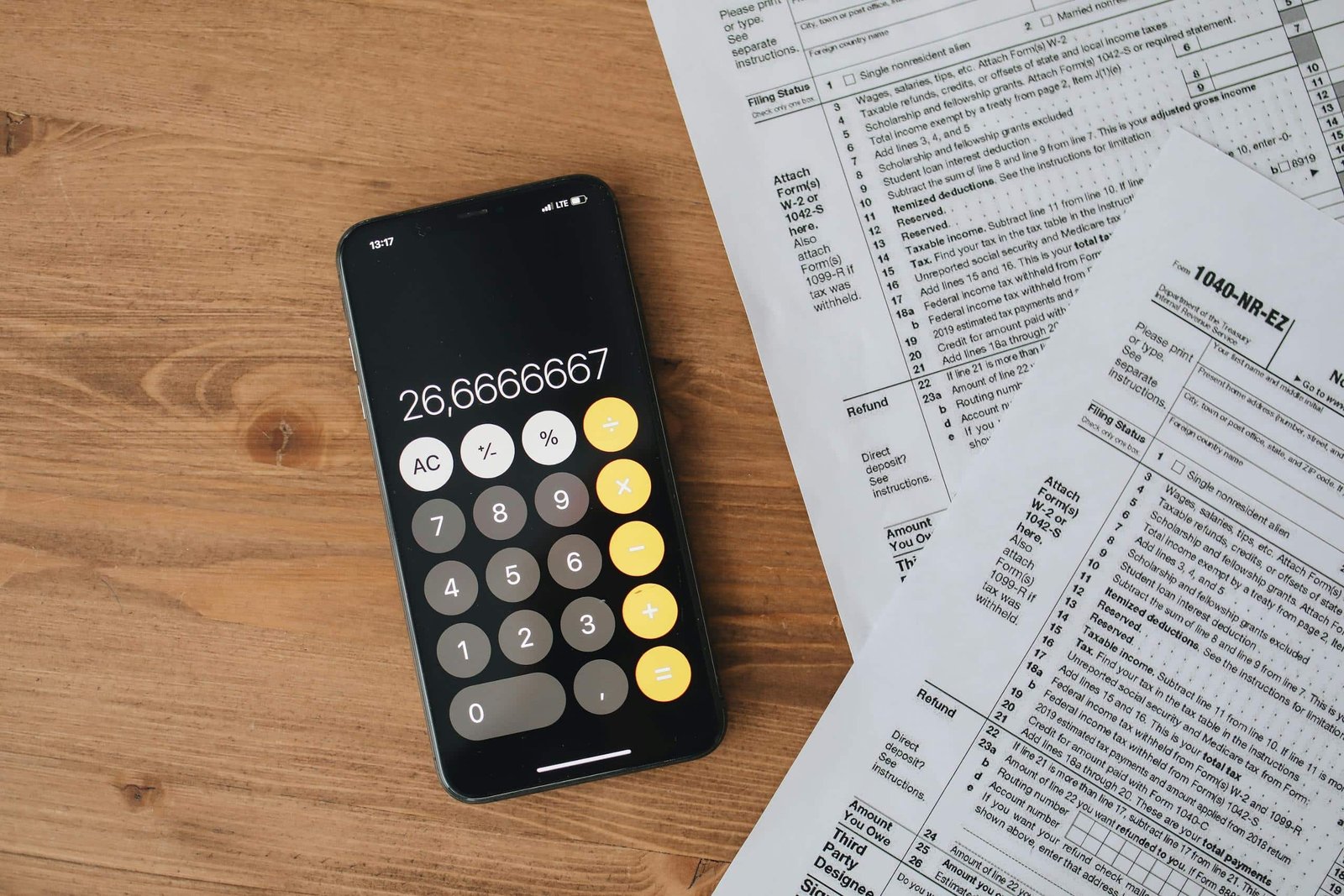
An investment goal often starts with a practical thought: “This is how much I can set aside each month.” Working out what those contributions might amount to over several years takes a little more calculation.
An ETF calculator can help you explore the possibilities. You enter an investment amount, a time period and an assumed rate of potential return. The tool then produces an estimated future value.
That estimate is a starting point for planning. Understanding the different types of ETFs and checking the assumptions behind the calculation can help you put the figure in context.
Start with what the money is for
Before entering any numbers, think about your goal and when you might need the money. These details give the calculation a purpose.
For a planned expense, use the time available until that expense falls due. Extending the period just to see a higher projected figure could leave you planning around money that may not be available when needed.
Next, consider how much you can contribute after meeting regular expenses and other commitments. An estimate based on an affordable contribution is more useful than one based on an amount you may struggle to maintain.
Choose how you expect to invest
Depending on its features, an ETF calculator may offer a one-time investment option, a regular contribution option, or both.
A one-time calculation assumes the full amount is invested at the start and remains invested for the selected period. A monthly calculation assumes you add money at regular intervals. Each instalment has a different amount of time invested, which affects the estimated result.
Check the assumptions about contribution dates and compounding frequency. Two tools can produce different estimates from apparently similar inputs if their calculation methods differ.
A monthly projection also does not arrange ETF purchases. It only models a contribution pattern.
Understand the investment behind the estimate
The different types of ETFs can provide exposure to equity indices, debt securities or commodities such as gold. Even within equities, a fund tracking a broad market index differs from one concentrating on a single sector. Their underlying exposures carry different risks.
Read the scheme’s objective, holdings and risk disclosures before deciding whether its exposure fits your circumstances. A calculator cannot make that assessment for you.
The assumed rate of potential return also needs care. A basic tool uses the rate you enter rather than independently assessing what a particular scheme might deliver. Identical inputs can therefore produce identical estimates for funds with very different risks.
Explore more than one possible outcome
Instead of relying on a single assumed rate of potential return, you could explore several scenarios. Keep the contribution and duration unchanged while adjusting the rate.
This shows how sensitive the projection is to that assumption. A scenario using a lower positive rate still does not show the full possibility of losses.
Next, restore the original rate and change the contribution. This helps distinguish the effect of putting in more money from the effect of assuming a different investment outcome.
The calculator is an aid, not a prediction tool. It may provide only an indicative picture.
Look at what makes up the total
The projected amount can look substantial without revealing how much comes from your own contributions.
Look for a breakdown showing the total amount invested and the estimated potential gains. This separates your planned contributions from the estimated potential gain or loss under the selected assumptions.
Some tools describe the total as a “maturity value”. For an ETF without a defined maturity date, this means an estimated value at the end of your chosen period, rather than a scheduled payout.
Actual investment values fluctuate, and the amount available when you sell may be lower than your contributions.
Check costs and trading practicalities
ETF units trade on stock exchanges. Their market prices can differ from their net asset value, or NAV, which represents the scheme’s net assets per unit.
Brokerage, where applicable, and the bid-ask spread, the difference between quoted buying and selling prices, can affect your transaction costs. Scheme expenses, cash holdings and transaction timing can also influence how closely a fund follows its benchmark.
Check whether your ETF calculator includes costs and whether the assumed rate is before or after expenses. Otherwise, you could overlook a cost or deduct it twice.
Keep the projection connected to your goal
Comparing types of ETFs requires more than comparing projected totals. The underlying assets, risks, costs and your need for access to the money all deserve consideration.
Keep the estimate alongside the assumptions that produced it. Revisit those inputs when your contribution capacity or goal changes. The calculation can support a considered plan, while the suitability of the investment needs a separate assessment.
Mutual Fund investments are subject to market risks, read all scheme related documents carefully.
 Apex Apex
 Sky Bloom IT