

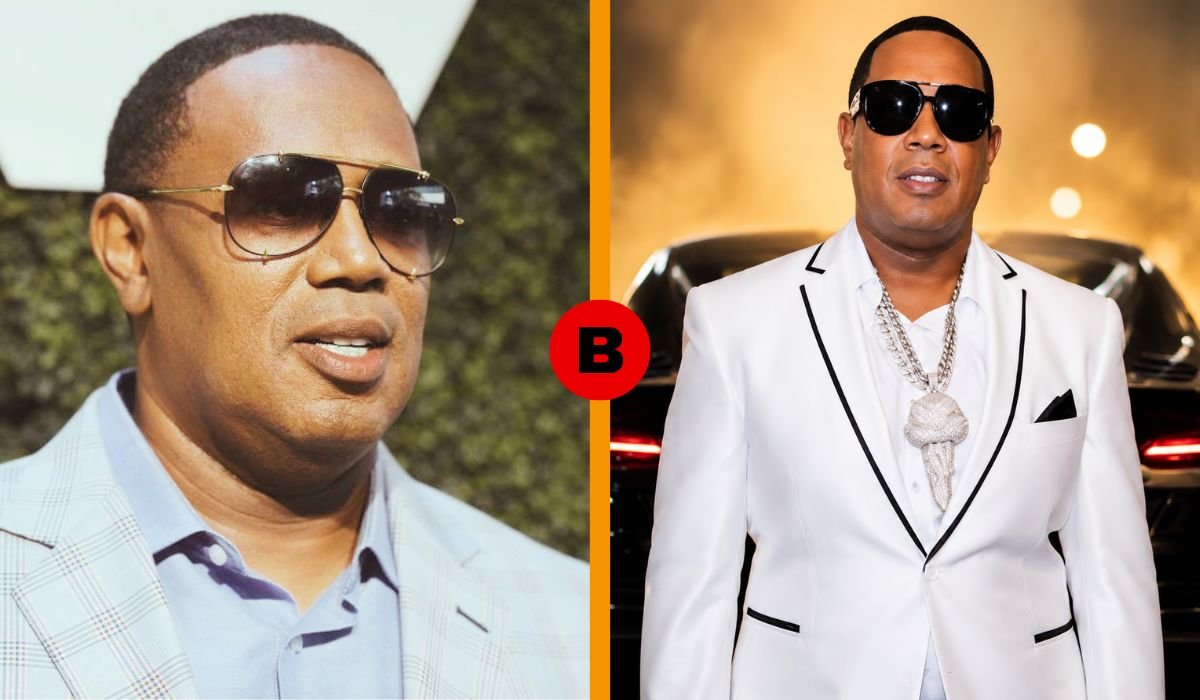
Master P didn’t build his reputation by thinking like a rapper alone. Long before artist-owned brands and celebrity investment portfolios became common in hip-hop, he was looking at music as the starting point for something much bigger.
Born Percy Robert Miller, the New Orleans native transformed No Limit Records from an independent operation into one of the most recognizable hip-hop labels of the 1990s. Along the way, he moved into film, television, consumer products, sports, real estate, and other business ventures.
That long entrepreneurial history helps explain why Master P Net Worth remains such a popular subject in 2026. His fortune is widely estimated at around $200 million, though there is an important distinction to make: Master P hasn’t released audited financial statements showing his complete assets and liabilities. As a result, any precise estimate of his wealth should be treated as an approximation rather than a confirmed figure.
The more interesting story isn’t the number itself. It’s how Miller built his wealth. From running a record store to developing No Limit Records and expanding into other industries, his career offers an early example of an entertainer using ownership, branding, and diversification to create opportunities beyond the recording studio.
Master P Quick Bio Information
| Quick Bio | Information |
|---|---|
| Full Name | Percy Robert Miller Sr. |
| Professional Name | Master P |
| Date of Birth | April 29, 1970 |
| Birthplace | New Orleans, Louisiana |
| Nationality | American |
| Profession | Rapper, Entrepreneur, Record Executive, Actor, Producer |
| Estimated Net Worth | Around $200 Million |
| Main Wealth Sources | Music, No Limit Records, Entertainment, Business Ventures |
| Record Label | No Limit Records |
| Music Genre | Hip-Hop, Southern Rap |
| Breakthrough Album | Ice Cream Man |
| Major Album | Ghetto D |
| Famous Song | “Make ’Em Say Uhh!” |
| No. 1 Album | MP Da Last Don |
| Brother | Silkk The Shocker |
| Brother | C-Murder |
| Famous Son | Romeo Miller |
| Notable TV Series | Romeo! |
| Honorary Degree | Lincoln University, 2021 |
| Current Career Focus | Business, Sports, Community Work |
What Is Master P’s Net Worth in 2026?
Master P’s Net Worth in 2026 is commonly estimated at approximately $200 million. That figure appears frequently in media coverage of his finances, but it shouldn’t be mistaken for an audited valuation.
Master P’s personal finances are private. There is no publicly available balance sheet detailing his cash, properties, investments, private-company interests, debts, or other financial obligations. That makes it impossible for outsiders to calculate his exact wealth with certainty.
Still, there’s little doubt that Miller has built substantial financial interests over a career spanning more than three decades. Music provided the original foundation, particularly through No Limit Records, but his income opportunities eventually extended into movies, television, consumer businesses, investments, property, and sports-related projects.
That diversification is central to understanding how Master P made his money. Instead of depending on a single hit album or entertainment contract, he repeatedly looked for new ways to turn his audience and business experience into longer-term opportunities.
Who Is Master P?
Percy “Master P” Miller is an American rapper, entrepreneur, record executive, actor, and producer who emerged as one of Southern hip-hop’s most important figures during the 1990s.
His influence, however, can’t be measured only by his albums.
Miller built No Limit Records around the idea that an artist could take a much more active role in the business behind the music. He paid attention to distribution, marketing, production, branding, and ownership instead of focusing exclusively on recording and performing.
That mindset helped separate him from many artists of his generation. No Limit wasn’t simply a label carrying Master P’s records; it developed into a recognizable brand with its own roster, visual identity, release strategy, and loyal audience.
Decades later, Miller is still regularly cited in discussions about hip-hop entrepreneurship, independent record labels, and the importance of artists having greater control over their work.
Master P’s Early Life and First Business
Master P was born in New Orleans, Louisiana, on April 29, 1970. He spent part of his youth in New Orleans and part in California, experiences that would later influence both his music and his approach to business.
His path into the record industry didn’t begin inside a major recording studio. Instead, one of the key steps came through retail.
After moving to Richmond, California, Miller opened a record store called No Limit Records. Historical reporting from the Los Angeles Times stated that he used $10,000 connected to a settlement following his grandfather’s death to help establish the business.
The store gave Miller something arguably as valuable as the money it generated: direct access to customers.
By watching what people bought and speaking with music fans, he gained an understanding of consumer demand from the ground level. He could see which artists moved records, how independent releases were presented, and what kinds of music resonated with buyers.
Eventually, he moved from selling other artists’ records to creating and distributing his own. The No Limit name followed him into that next chapter, becoming the foundation of the label that would later make him nationally famous.
How Did Master P Make His Money?
The short answer is straightforward: Master P made his money through music, No Limit Records, entertainment projects, and a wide range of business ventures.
The longer answer reveals why his financial story became so influential.
As No Limit grew, Miller wasn’t operating solely as a recording artist who received royalties from his albums. He was building a company around the music. That meant his financial interests could extend beyond his own performances and into the broader business generated by the label.
Historical reporting from the Los Angeles Times documented No Limit’s relationship with Priority Records. The arrangement helped provide wider distribution while allowing Miller to retain significant independence over his company.
That structure mattered. Access to national distribution gave No Limit the ability to reach a much larger audience without requiring Miller to abandon the independent identity he had spent years building.
Over time, his income opportunities expanded further. Films, television appearances, merchandise, consumer businesses, property, investments, and other entrepreneurial projects all became part of the wider Master P business story.
Some ventures lasted longer than others, but the strategy remained remarkably consistent: don’t allow one income stream to determine your entire financial future.
How No Limit Records Built Master P’s Fortune
If there’s one business at the center of Master P’s fortune, it’s No Limit Records.
The label became a major force in Southern hip-hop during the 1990s, especially as regional rap scenes outside New York and Los Angeles gained greater national attention.
No Limit’s strategy was difficult to miss. Albums arrived frequently, the artwork had a distinctive style, artists appeared on one another’s projects, and the label name was promoted almost as heavily as the individual performers.
That created a powerful network effect. A listener who bought one No Limit album could be introduced to several other artists through guest appearances and collaborations.
The roster included Master P, Silkk the Shocker, C-Murder, Mia X, Mystikal, Fiend, TRU, and numerous other performers at different points in the label’s history.
Historical reporting from the Los Angeles Times documented million-selling releases involving several artists associated with No Limit during its peak years.
For Master P, this changed the financial equation. His business was no longer dependent solely on whether his next solo album succeeded. No Limit had become a broader entertainment operation supported by multiple releases, artists, and products.
Why Master P’s Business Model Was Different
Master P’s approach to the record business remains one of the most discussed parts of his career.
A traditional recording deal can involve numerous parties sharing the money generated by an album. Advances, recording expenses, marketing costs, distribution fees, contractual royalties, and other obligations may all affect what ultimately reaches the performer.
Miller wanted greater control over that process.
Rather than relying entirely on a conventional major-label arrangement, No Limit combined independent operations with outside distribution. This allowed the company to benefit from established distribution infrastructure while Miller retained substantial influence over his label and creative direction.
The internet is filled with claims about the exact percentages Master P supposedly kept from particular record deals. Those figures vary and aren’t always supported by reliable documentation, so they should be approached carefully.
The broader strategy is much clearer. Miller understood that owning or controlling more of the company behind his creative work could offer greater financial upside than depending solely on compensation as an artist.
Today, that idea sounds familiar. In the 1990s, it was a much more distinctive part of his public identity.
Master P’s Biggest Albums and Music Success
Business may have become central to Master P’s reputation, but music was the engine that made the larger empire possible.
He spent years releasing independent projects before achieving mainstream recognition. His 1996 album Ice Cream Man became an important turning point, introducing him to a wider national audience and strengthening No Limit’s profile.
Then came Ghetto D in 1997.
The album helped push Master P further into the mainstream and included “Make ’Em Say Uhh!”, which became one of the signature songs of his career.
His momentum continued with MP Da Last Don in 1998, released when No Limit was enjoying enormous visibility.
Official RIAA records document certifications for major Master P releases including Ice Cream Man, Ghetto D, MP Da Last Don, Only God Can Judge Me, and Ghetto Postage. “Make ’Em Say Uhh!” also earned RIAA certification.
Those certifications provide a more dependable measure of U.S. commercial success than some of the much larger worldwide sales numbers repeated online. Estimates of total Master P and No Limit sales can differ considerably depending on the source and accounting method.
Whatever the precise lifetime total, the commercial impact of the label’s late-1990s run is well established.
How Much Money Did No Limit Records Make?
This question appears frequently in discussions of Master P Net Worth, but there isn’t a simple answer.
Large revenue figures have been attached to No Limit Records and Miller’s wider business empire, particularly during the company’s late-1990s peak. Some historical reports describe an operation generating extraordinary amounts of money.
Those numbers require context.
Revenue tells you how much money comes into a business before expenses. Profit is what remains after relevant costs. A company’s valuation attempts to estimate what the business itself is worth. Personal net worth measures an individual’s assets minus liabilities.
These figures aren’t interchangeable.
If a company generates $100 million in annual revenue, for example, its owner doesn’t automatically become $100 million richer. Salaries, manufacturing, recording costs, distribution, marketing, taxes, debt, overhead, and other expenses can consume a significant portion of revenue.
The same caution applies to company valuations. A business might be valued at a substantial amount without its owner having that amount available in cash.
Keeping those distinctions clear is essential when evaluating historical claims about Master P’s wealth.
Master P’s Movies and Television Career
Once No Limit developed a large audience, Master P looked for ways to carry that audience into film.
Again, his instinct was to become involved in the business rather than wait only for acting roles.
Historical reporting from the Los Angeles Times stated that the 1997 direct-to-video film I’m Bout It was self-financed for approximately $1 million and sold more than 200,000 videocassettes. The newspaper also reported that I Got the Hook-Up cost roughly $3.5 million and brought in more than $5 million during its opening weekend.
The projects reflected the same philosophy behind No Limit: create the product, market it to an existing audience, and maintain a meaningful position in the business surrounding it.
Miller later appeared in other films and television projects. Younger audiences also came to know him through Nickelodeon’s Romeo!, which starred his real-life son Romeo Miller.
Film and television never replaced music as the foundation of his fame, but they gave him additional ways to monetize and expand the Master P brand.
Master P’s Businesses Beyond Music
Master P has spent decades experimenting outside the recording industry.
His name has been associated with entertainment production, apparel, food products, consumer brands, property, sports projects, and various investments. The sheer range of those ventures has become part of his public image as an entrepreneur.
It’s worth making an important distinction, however.
Online lists sometimes describe every company Master P has promoted, invested in, partnered with, or appeared alongside as a business he personally owns. Those relationships can be very different, and not every historical venture remains active today.
For that reason, individual businesses should be evaluated based on documented ownership rather than automatically included when calculating Master P’s wealth.
What is well documented is his broader philosophy. Miller has consistently spoken about creating multiple income streams, reinvesting earnings, learning how businesses operate, and pursuing ownership.
That approach has allowed his entrepreneurial identity to remain relevant even as the music industry shifted dramatically from CDs to digital downloads and, eventually, streaming.
Was Master P Really Worth $350 Million at His Peak?
A frequently repeated claim suggests Master P’s peak net worth once reached approximately $350 million.
The figure has appeared in reporting surrounding financial claims made during his divorce from Sonya Miller. Other numbers connected with those proceedings have included estimates of business holdings, properties, and the historical value of No Limit Records.
Those figures shouldn’t automatically be treated as independently verified valuations.
Divorce proceedings can involve competing claims about assets and company values. A number presented by one side in litigation isn’t necessarily the same as a valuation confirmed by an independent auditor.
There’s another complication: business value isn’t the same thing as personal liquid wealth.
If Master P held an ownership interest in a company worth millions, that could contribute to his net worth, but it wouldn’t mean he had the entire valuation sitting in a bank account.
Without complete audited records from the relevant period, the often-repeated $350 million Master P net worth figure is best described as a historical estimate or reported claim rather than an established financial fact.
Master P’s Family and Personal Life
Master P’s family has been closely connected with his career from the beginning.
His brothers Corey Miller, better known as C-Murder, and Vyshonne Miller, known professionally as Silkk the Shocker, became recording artists and were associated with the wider No Limit story.
His son Romeo Miller also followed him into entertainment. Initially known to music fans as Lil’ Romeo, he developed a career spanning rap, acting, television, and business.
Master P was married to Sonya Miller for many years. Their divorce later attracted considerable media attention, partly because of disputes over finances, businesses, and other assets.
According to People, Master P has eight children, including seven with Sonya Miller.
The family faced tragedy in 2022 when Master P’s daughter Tytyana Miller died at age 29.
In the years that followed, Miller spoke publicly about grief, communication within families, addiction, and mental-health awareness. People has reported that the family established the You Are Not Alone Foundation as part of its effort to support others facing similar struggles.
It’s a deeply personal chapter of Miller’s story and one he has increasingly connected to his community work.
Master P’s Philanthropy and Community Work
Business success hasn’t been the only focus of Master P’s public life.
Throughout his career, he has participated in charitable efforts involving young people, education, food assistance, economic opportunity, and community outreach.
His approach to giving back often reflects the same ideas that shaped his business career. Miller frequently talks about financial education and ownership alongside more traditional forms of charity, emphasizing the importance of creating economic opportunities within underserved communities.
His work and career received academic recognition in 2021.
Lincoln University in Pennsylvania announced that Percy Miller would receive an honorary Doctor of Humane Letters during its commencement activities. The university’s own announcement provides direct institutional confirmation of the honor.
The recognition reflected how far Miller’s public identity had expanded beyond rap. By then, he was known just as much for entrepreneurship, community involvement, and advocacy as he was for the albums that first made him famous.
What Is Master P Doing in 2026?
By 2026, Master P’s career looks quite different from its No Limit peak.
Music remains central to his legacy, but his public work has increasingly shifted toward entrepreneurship, sports, mentorship, and community projects.
One particularly notable development came through basketball, a sport that has long been part of Miller’s life.
In 2025, the University of New Orleans identified Percy Miller as its President of Basketball Operations, giving him a role connected with collegiate athletics in his hometown.
His music career also reached a symbolic turning point that year.
Master P’s appearance at the 2025 Essence Festival in New Orleans was promoted as his final performance. The occasion gave him an opportunity to close one chapter of his career in the city where his story began.
These developments matter when discussing Master P Net Worth in 2026 because they show that Miller isn’t simply relying on the reputation he established three decades ago. His professional focus continues to evolve, with sports, business, mentorship, and community work taking increasingly visible roles.
Why Master P’s Legacy Is Bigger Than His Net Worth
The fascination with celebrity wealth can make Master P’s story look like a simple question: How much money does he have?
That’s arguably the least interesting part.
His more lasting contribution is the way he approached ownership at a time when the concept wasn’t discussed nearly as openly among artists as it is today.
Miller learned about customers through retail. He created an independent label. He found a way to reach national distribution without abandoning the identity of his company. He developed distinctive branding, cross-promoted artists, produced films, and looked beyond music for new business opportunities.
Not every idea worked, and a balanced account of his career shouldn’t pretend otherwise. Businesses close, partnerships change, markets move on, and some experiments simply fail.
What endured was the strategy.
Master P treated fame as leverage rather than the final product. Instead of asking only how much he could earn from performing, he repeatedly looked for opportunities to own, invest, produce, and build.
That thinking became increasingly common among later generations of rappers and entertainers. Today, artists regularly launch consumer companies, negotiate equity deals, invest in startups, produce films, and view intellectual property as a long-term asset.
Master P was pursuing many of those ideas decades earlier.
Final Thoughts on Master P Net Worth
Master P Net Worth in 2026 is widely estimated at around $200 million, although his exact financial position remains private. Without audited records detailing his assets, liabilities, property, investments, and private-company holdings, no outside estimate can be considered definitive.
Fortunately, understanding his career doesn’t require knowing the exact number.
Percy Miller’s journey took him from a record store in Richmond, California, to the center of one of the most recognizable independent hip-hop labels of the 1990s. No Limit Records gave him a platform to build wealth, but he didn’t stop with music. He moved into film, television, consumer businesses, investments, property, and eventually sports and community-focused projects.
His greatest financial lesson may be surprisingly simple: income and ownership aren’t the same thing.
Master P understood that distinction early. Rather than relying exclusively on payments for his talent, he tried to build businesses around that talent and retain greater control over the value it created.
That’s why discussions of Master P’s fortune continue decades after his biggest albums were released. The estimated $200 million figure attracts attention, but the strategy behind it is what made his career influential.
For artists and entrepreneurs alike, Master P’s story remains a powerful example of how branding, ownership, reinvestment, and diversification can turn success in one field into opportunities across many others.
FAQs About Master P Net Worth
What Is Master P’s Net Worth in 2026?
Master P’s net worth is commonly estimated at around $200 million in 2026. The figure isn’t confirmed by publicly available audited financial statements, so it should be viewed as an estimate. His reported wealth reflects decades of music success, No Limit Records, entertainment projects, investments, property, and other business interests.
How Did Master P Get Rich?
Master P initially built his wealth through music and No Limit Records. His strategy differed from that of many traditional recording artists because he focused heavily on ownership and business control. As his music career grew, he expanded into film, television, consumer products, property, investments, sports, and other ventures, creating multiple potential sources of income.
What Is Master P’s Real Name?
Master P’s real name is Percy Robert Miller. He was born on April 29, 1970, in New Orleans, Louisiana. He later became a major figure in Southern hip-hop and one of the genre’s best-known artist-entrepreneurs.
What Made No Limit Records Successful?
No Limit Records combined independent management with wider distribution, frequent album releases, distinctive cover designs, aggressive branding, and cross-promotion between artists. Instead of building the company around only one performer, Master P developed a roster that helped make No Limit itself recognizable to fans.
What Are Master P’s Most Successful Albums?
Some of Master P’s best-known albums include Ice Cream Man, Ghetto D, and MP Da Last Don. Official RIAA records document certifications for these releases as well as several other projects. His single “Make ’Em Say Uhh!” also became one of the defining songs of his career.
Was Master P Worth $350 Million?
Master P has frequently been described as having reached a peak net worth of approximately $350 million. The figure has been connected with historical estimates and claims surrounding his divorce proceedings. Because no publicly available audited financial statement confirms that valuation, it is more accurate to describe $350 million as a reported historical estimate rather than a proven figure.
Does Master P Still Perform Music?
Master P’s appearance at the 2025 Essence Festival in New Orleans was promoted as his final performance, marking a major transition in his music career. By 2026, his public activities have increasingly focused on entrepreneurship, basketball, mentorship, and community work.
Why Is Master P Important to Hip-Hop?
Master P helped demonstrate that a rapper could build a business around creative success rather than relying entirely on a conventional recording contract. His emphasis on independent operations, ownership, distribution, branding, and diversification made him an influential example for later generations of hip-hop artists and entrepreneurs.
Learn more and explore exciting content on: Fiona Bruce: Biography, Age, Husband, Children, Career and BBC Success