

A well-shaped hedge does more than define a garden boundary. It frames pathways, creates privacy, and gives an outdoor space a sense of structure. Yet the difference between a professionally maintained hedge and one that looks thin or uneven often comes down to how it’s trimmed, not how frequently it’s cut.
Using a suitable hedge trimmer makes it easier to maintain clean lines and consistent surfaces, but healthy shaping requires more than a steady hand. Every cut affects how sunlight reaches the foliage, where new shoots develop, and whether the plant retains enough greenery to recover.
The key is to choose a shape that suits the plant’s natural growth habit, then maintain that shape without removing more healthy foliage than necessary. From formal rectangular hedges to rounded ornamental shrubs, a thoughtful approach delivers a cleaner finish and stronger long-term growth.
Understanding How Hedge Shape Influences Light, Density, and Branch Growth
A hedge’s shape directly affects its health. When the upper portion grows wider than the base, it shades the lower branches, gradually creating a thin or bare appearance near the ground.
For most formal hedges, a slightly tapered profile is preferable: the base should be wider than the top. This allows sunlight to reach lower foliage and encourages more even growth from top to bottom.
The cutting method also matters. A powered trimmer works well for maintaining the outer surface of established hedges, while hand pruners are better for removing individual branches or correcting crowded growth.
Before shaping, identify the species and inspect its interior. Some plants, such as privet and yew, tolerate substantial pruning under suitable conditions. Many conifers and broadleaf evergreens respond poorly when cuts extend into old, leafless wood.
Choosing the Right Hedge Trimmer for Formal and Decorative Garden Shapes
The right tool depends on the hedge’s size, branch thickness, and desired finish. Lightweight cordless models can offer excellent control around compact ornamental shrubs, while longer blades help cover broad, established hedges efficiently.
When choosing equipment, consider blade length, weight, cutting capacity, and how comfortably you can control the tool at different angles.
A hedge trimmer is primarily designed for repeated cuts through suitable leafy growth. Thick structural branches should be removed with hand pruners, loppers, or a pruning saw, depending on their diameter.
This distinction is particularly important when changing a hedge’s shape. Trying to force a thick branch through trimming blades can damage equipment and leave an untidy cut that heals poorly.
Creating a Flat-Top Rectangular Hedge Without Weakening the Lower Branches
Formal rectangular hedges are popular for property boundaries, garden borders, and contemporary landscapes. Their crisp lines make small inconsistencies noticeable, so planning is essential.
Begin by establishing the intended height and width. On a long hedge, use stakes and string to mark a consistent top line. For the sides, create a subtle inward taper toward the top rather than cutting the hedge into a perfectly vertical-sided block.
Trim the upper surface with controlled, overlapping passes. Keep the blade parallel to the guide and avoid pressing down, which can create dips in the finished line.
For the sides, work from the bottom upward when practical, keeping the cutting motion steady. Step back frequently to check the overall silhouette instead of focusing exclusively on the area directly in front of you.
Expert tip: If the hedge is already too tall or too wide, don’t force it into its final dimensions in one session. Reduce it gradually, especially if reaching the desired shape would expose bare interior branches.
Shaping Rounded and Dome-Like Hedges for a Softer, More Natural Appearance
Rounded hedges soften formal garden layouts and work well around entrances, pathways, and foundation plantings. Their success depends on maintaining a smooth curve rather than creating a flat top with abruptly cut corners.
Start by identifying the shrub’s natural outline. Remove the longest protruding shoots first, then gradually refine the surrounding foliage.
Use short, controlled trimming movements and rotate your viewing position regularly. Looking at the shrub from the front alone can hide uneven sections on the sides or rear.
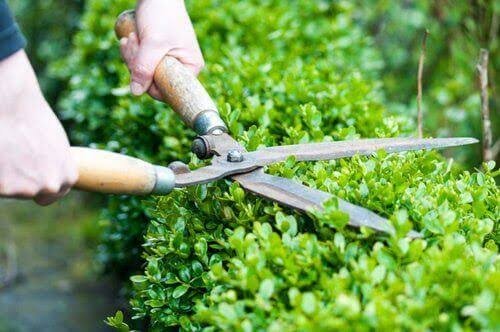
For smaller shrubs, hand shears may provide better precision than a powered trimmer. For larger, established specimens, a lightweight hedge trimmer can make the initial shaping more efficient.
Avoid cutting deeply into the center simply to achieve a perfect sphere. If the plant naturally grows upright or has sparse interior foliage, a slightly loose, rounded profile will usually look healthier than an artificially tight shape.
Maintaining Natural and Informal Hedges Without Removing Their Character
Natural hedges are designed to retain some variation in height, texture, and branching. They suit cottage gardens, wildlife-friendly landscapes, and properties where a softer boundary is preferable to a geometric screen.
Rather than shearing every branch to a uniform depth, identify the shoots that extend noticeably beyond the desired outline. Selectively shorten them to a healthy side branch or suitable growth point.
This technique preserves the shrub’s natural structure and avoids the dense outer shell that can develop when a hedge is repeatedly trimmed only at its surface.
Mixed-species hedges require additional care because different plants may grow at different rates. Fast-growing sections may need more frequent attention, while slower-growing shrubs should not be cut simply to match their neighbors.
For guidance on pruning methods and plant-specific timing, the Royal Horticultural Society’s pruning guide explains why different shrubs require different approaches.
Comparing Hedge Shapes to Choose the Best Design for Your Landscape
The most suitable hedge shape depends on the garden’s style, the plant species, and how much maintenance you’re prepared to undertake.
| Hedge shape | Best use | Maintenance priority |
| Rectangular | Formal boundaries and privacy screens | Straight lines and lower-level sunlight |
| Rounded or domed | Ornamental shrubs and entrances | Smooth curves and balanced foliage |
| Natural or informal | Cottage gardens and mixed hedging | Selective cuts and species-specific growth |
| Tapered formal | Tall boundary hedges | Keeping the base wider than the top |
Rectangular hedges generally require more frequent surface trimming to retain crisp edges. Rounded shapes need regular visual checks to prevent flat spots, while informal hedges benefit from selective pruning that preserves their natural branching.
Choose a design that the plant can sustain. A naturally irregular shrub may need unnecessary and potentially harmful cutting to maintain a rigid geometric form.
Timing Hedge Trimming to Support Strong Growth and Seasonal Recovery
The best trimming schedule depends on the species, climate, and whether you’re maintaining an established shape or performing structural pruning.
Many formal hedges benefit from light trimming during the growing season, when growth is active enough to recover. However, heavy pruning may be more appropriate during a species-specific dormant period.
Avoid significant trimming during extreme heat, drought, or freezing weather. Plants under environmental stress may struggle to recover, and freshly exposed foliage can be more vulnerable to damage.
Before trimming, check for active bird nests and comply with local wildlife protection requirements. In the United States, the USDA Forest Service provides broader information on trees, shrubs, and plant health, while local extension services can offer region-specific pruning advice.
For most routine maintenance, remove only the growth needed to restore the intended outline. The commonly used one-third rule is a useful conservative guideline: avoid removing more than roughly one-third of the foliage in one session, while recognizing that some species require a much lighter approach.
Common Hedge Trimming Mistakes That Create Bare Spots and Uneven Surfaces
Several avoidable mistakes can undermine an otherwise careful trimming job.
- Cutting the top wider than the base: Upper foliage shades lower branches, contributing to thinning near the ground.
- Removing too much foliage at once: Deep cuts may expose old wood that cannot readily produce new shoots.
- Using a hedge trimmer on thick branches: This can damage blades and leave poor-quality cuts.
- Ignoring the plant’s natural form: Forcing every shrub into the same geometric shape may compromise its health.
- Trimming without visual reference points: Long hedges can develop dips and irregular angles when alignment is judged too closely.
- Pruning during stressful conditions: Heat, drought, and other environmental pressures can slow recovery.
After trimming, inspect the hedge from several angles and remove stray shoots with suitable hand tools. Clear away clippings, check for accidental damage, and water appropriately if the soil is dry and the plant needs moisture.
Frequently Asked Questions About Hedge Shapes and Healthy Branch Growth
How often should different hedge shapes be trimmed?
Formal hedges may need several light trims during active growth, depending on the species and desired finish. Rounded and natural hedges often require less frequent intervention. Follow the plant’s growth rate and recommended pruning season rather than using one schedule for every hedge.
Which hedge shape is healthiest for most plants?
A naturally appropriate shape with good light penetration is generally best. For formal hedges, a slightly tapered profile with a wider base helps maintain lower foliage. Rounded and informal shapes should follow the plant’s branching habit.
Can an overgrown hedge be reshaped without creating bare patches?
Often, yes, but the outcome depends on the species and how much healthy foliage remains. Reduce the hedge gradually, retain green growth where possible, and use selective cuts to avoid exposing large areas of bare wood.
Is a hedge trimmer better than hand shears for shaping shrubs?
A hedge trimmer is efficient for maintaining broad, established surfaces. Hand shears and pruners provide more control for small ornamental shrubs, selective branch removal, and precise corrections. Many gardeners achieve the best results by combining both approaches.
Healthy Hedge Shaping Begins With Consistent, Considered Cuts
A good hedge shape should work with the plant’s growth habits, not force it into an unsuitable outline. Whether you’re maintaining a crisp rectangular screen, a rounded ornamental shrub, or an informal garden boundary, preserving healthy foliage is essential to achieving a durable result.
Choose appropriate equipment, establish clear visual guides, and make smaller corrections before committing to substantial cuts. Keep the base open to sunlight, respect species-specific pruning requirements, and avoid reshaping stressed plants too aggressively.
With consistent maintenance and a thoughtful approach to branch growth, hedges can retain their intended shape while remaining dense, vigorous, and attractive season after season.
 Admin