

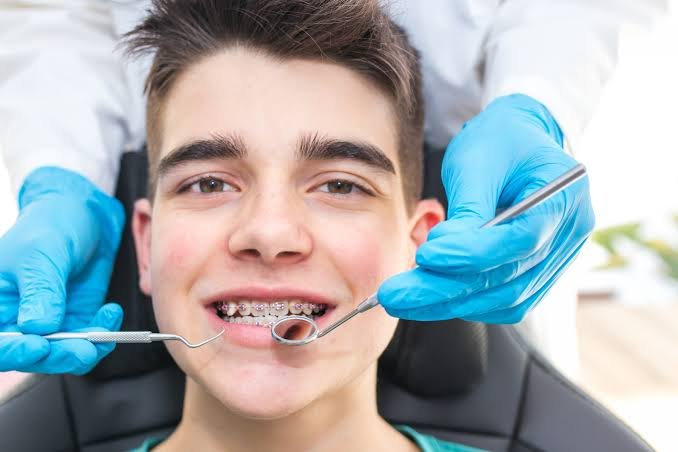
You notice the little things before anyone else does. A child who breathes through the mouth at night. Baby teeth that seem to hang on too long. Crowding that looked minor a year ago and now does not. It is easy to tell yourself you will keep an eye on it, then harder when the next visit brings talk of braces, expanders, or years of treatment you did not expect. Even while searching for quality dental implant services in Joliet, IL, it is worth paying attention to early orthodontic signs that can affect a child’s long-term dental health.
That is where The Role Of Preventive Care In Lowering Orthodontic Treatment Needs becomes real, not abstract. Preventive dental care cannot stop every orthodontic issue, because genetics, jaw growth, and bite patterns still matter. It can reduce the chance that small problems turn into bigger ones, catch habits and spacing issues early, and protect the teeth and gums that orthodontic treatment depends on. In many families, early prevention means fewer complications, less invasive care, and a clearer path if braces are still needed later.
Preventive dental care changes the course of orthodontic problems early
Orthodontic issues rarely appear out of nowhere. They build slowly. Tooth decay can lead to early tooth loss, and when a baby tooth is lost too soon, nearby teeth may drift into that space. That one shift can block the proper eruption of an adult tooth and create crowding that did not have to happen. Gum inflammation can also affect the health of the mouth before any orthodontic appliance is placed, making treatment harder to manage.
Children with thumb sucking, tongue thrust, prolonged pacifier use, or chronic mouth breathing may develop bite changes over time. An open bite or narrow arch can start with a habit that seemed harmless at first. You may not spot those patterns on your own, especially when life is already full. A family dentist often sees the early signs before they become expensive problems.
That is why regular preventive visits matter so much. According to children’s preventive dental visit guidance from Medicaid, routine care supports early identification and timely treatment. The point is not just cleaning teeth. It is tracking growth, watching how teeth erupt, checking bite development, and stepping in before avoidable changes settle in.
When families miss those windows, the cost is often more than financial. A child with untreated decay may chew on one side, avoid smiling, or struggle to brush crowded teeth that trap food. By the time an orthodontic evaluation happens, there may be less room to work with and more damage to address first. Preventive care and orthodontic needs are linked because healthy development is easier to guide than to repair.
Oral habits, decay, and early tooth loss often increase orthodontic treatment needs
Think about a common scenario. A child gets a cavity in a baby molar, treatment is delayed, and the tooth is eventually lost early. The adult tooth is still months or years away from erupting. During that gap, neighboring teeth tip into the empty space. Later, the permanent tooth has nowhere to go, or it erupts out of position. That chain of events can lead to crowding, impaction, or a need for more involved orthodontic work.
Prevention interrupts that chain. Fluoride, sealants, home brushing support, diet guidance, and timely restorative care protect the baby teeth that hold space for permanent teeth. The Centers for Disease Control and Prevention offers oral health tips for children that reinforce the basics families can use every day, including brushing with fluoride toothpaste and limiting sugary drinks.
There is also the bigger public health picture. Healthy People tracks national oral health objectives because prevention affects long term outcomes across the lifespan. Fewer cavities, earlier dental visits, and better oral hygiene do not just improve comfort now. They help preserve the spacing, structure, and oral health that support simpler orthodontic decisions later.
Early prevention often lowers cost, complexity, and treatment time
Orthodontic treatment can still be the right call, even in a well cared for mouth. The difference is that prevention often makes treatment cleaner and more predictable. Teeth with less decay and stronger enamel are better prepared for brackets or aligners. Gums that are not inflamed respond better during treatment. A bite issue found early may be monitored, guided, or referred at the right stage instead of after it has fully developed.
| Situation | Without consistent preventive care | With consistent preventive care |
|---|---|---|
| Baby tooth decay | Higher risk of early tooth loss and drifting teeth | Better chance of keeping space for permanent teeth |
| Oral habits | Open bite, narrow arch, or bite changes may go unnoticed longer | Habits can be identified and addressed earlier |
| Orthodontic readiness | Braces or aligners may be delayed by untreated decay or gum issues | Healthier teeth and gums support smoother treatment |
| Long term cost | More corrective treatment may be needed later | Small issues are often less costly to manage early |
This is the practical side of reducing braces needs through preventive care. Not every child avoids orthodontics. Many do avoid extra complications that make treatment longer, harder, or more expensive than it needed to be.
Simple steps now can support better bite development later
Stay consistent with routine dental visits. A family dentist does more than clean teeth. Regular exams help track eruption patterns, jaw development, spacing, and habits that affect bite growth. If something looks off, early monitoring or referral can happen before the problem gets larger.
Protect baby teeth like they matter, because they do. Treat cavities early, ask about sealants and fluoride, and support daily brushing and flossing at home. Baby teeth guide permanent teeth into place. Losing them too early can change the whole path of eruption.
Watch for signs that deserve a closer look. Mouth breathing, thumb sucking that continues, trouble chewing, speech changes, crowded incoming teeth, and teeth that erupt in unusual positions all deserve attention. This is not about panic. It is about not waiting until a small concern becomes a structural one.
Preventive care gives families more options and fewer surprises
You cannot control every part of how teeth and jaws develop, and that is not a failure on your part. What you can do is lower the risk of avoidable problems, catch changes early, and give your child the healthiest starting point possible. That is often what makes the biggest difference in orthodontic care. A trusted family dentist can help you protect spacing, monitor growth, and decide when simple prevention is enough and when a specialist should step in.
If you have noticed changes in your child’s bite, brushing habits, or tooth spacing, schedule a preventive dental visit and get a clear picture of what is happening now, before it turns into a bigger problem later.
 ENGR NEWSWIRE
 Prime Star
 HG Star