

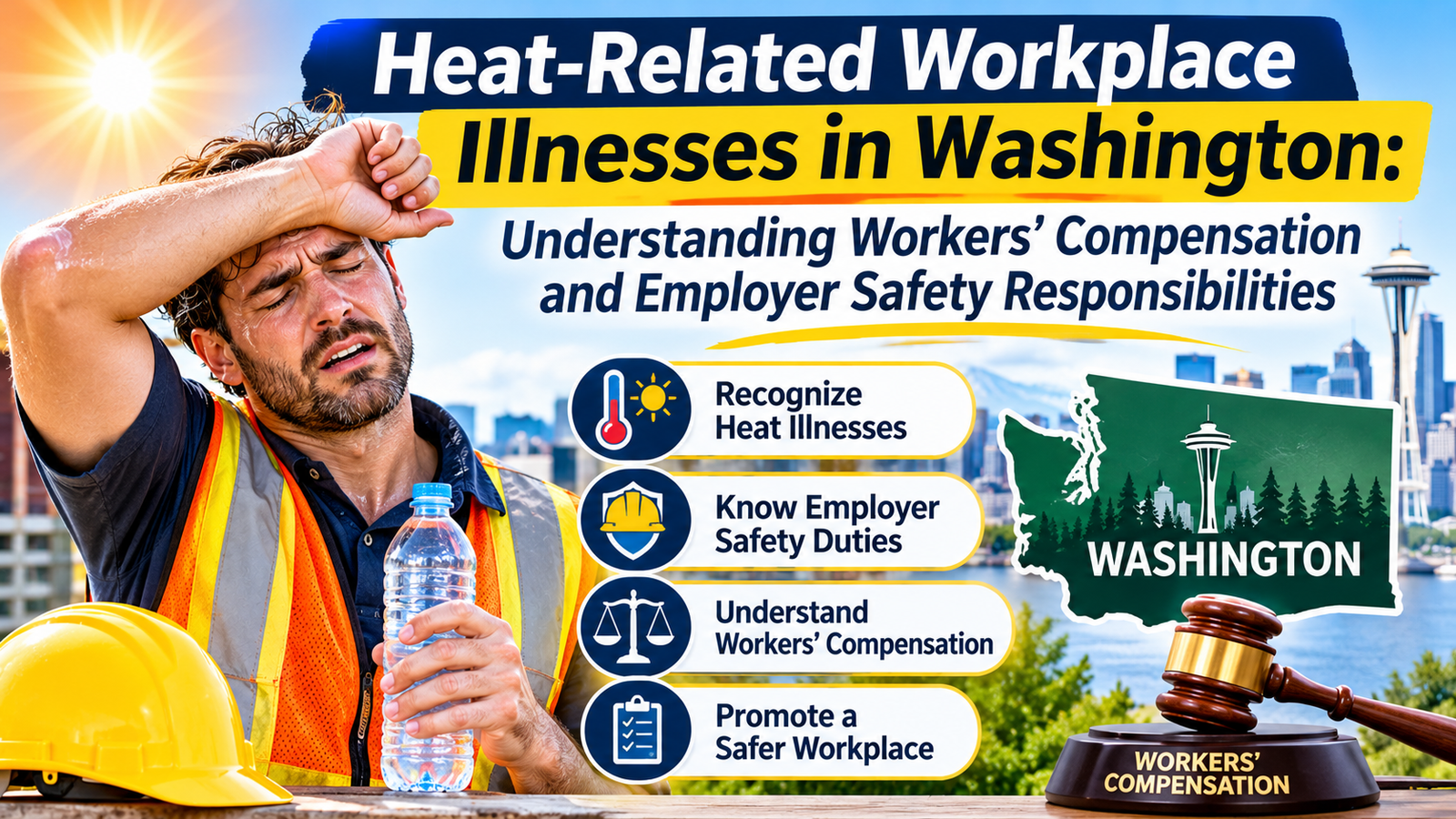
Washington’s summers can bring prolonged periods of high temperatures, creating serious risks for people who work outdoors or in hot indoor environments. Construction workers, agricultural employees, warehouse staff, landscapers, and restaurant workers may all face heat exposure during a typical shift. When the body cannot cool itself effectively, heat stress can progress from discomfort to a medical emergency. Understanding Washington’s workplace safety requirements and workers’ compensation system helps employees recognize their rights and employers understand their responsibilities.
For workers dealing with a heat-related injury, understanding available legal options can be an important part of the recovery process. the law offices of Emery | Reddy provides a resource for individuals seeking information about workplace injuries and workers’ compensation matters in Washington. Knowing how state safety rules and benefit requirements work can help injured employees make informed decisions after a heat-related incident.
Common Heat-Related Workplace Illnesses
Heat-related illnesses develop when the body absorbs or produces more heat than it can release. The severity depends on temperature, humidity, physical exertion, clothing, access to water, and individual health factors.
Heat Exhaustion
Heat exhaustion can cause heavy sweating, weakness, dizziness, nausea, headache, muscle cramps, and faintness. A worker experiencing these symptoms should stop physical activity, move to a cooler location, and begin cooling down. Prompt medical assessment is important, particularly if symptoms persist or worsen.
Heat Stroke
Heat stroke is a life-threatening emergency. It occurs when the body’s temperature regulation system fails, potentially causing confusion, seizures, loss of consciousness, or serious organ damage. Emergency medical services should be contacted immediately. Cooling measures should begin while help is on the way.
Other Heat-Related Conditions
Workers may also experience heat cramps, dehydration, and heat-related fainting. These conditions should not be dismissed as ordinary fatigue. Early symptoms can indicate that workplace conditions need immediate attention.
Washington’s Heat Safety Requirements for Employers
Washington has specific occupational heat exposure rules administered by the Department of Labor & Industries (L&I). These requirements apply to outdoor work and, under separate provisions, certain indoor work environments.
Employers covered by the applicable rules must take preventive steps when temperatures reach specified thresholds. Requirements can include providing adequate drinking water, allowing paid cool-down rest periods, maintaining access to shade or other suitable cooling areas, and implementing written safety procedures.
Employers must also train supervisors and workers to recognize heat-related illness and understand prevention measures. Acclimatization is especially important for new employees and workers returning after time away. Gradually increasing exposure to hot conditions can help the body adjust, reducing the risk of heat illness.
Why Monitoring Conditions Matters
A temperature reading alone does not capture every workplace hazard. Humidity, direct sunlight, protective equipment, heavy physical labor, and poor ventilation can increase heat strain. Employers should assess actual working conditions and adjust schedules, workloads, and protective measures when necessary.
When Heat Exposure May Qualify for Workers’ Compensation
Washington’s workers’ compensation system generally provides benefits for covered occupational injuries and illnesses without requiring an employee to prove employer negligence. A heat-related condition may qualify when medical evidence establishes that it arose out of and in the course of employment.
Depending on the circumstances, benefits may include payment for authorized medical treatment, partial wage replacement during qualifying periods of disability, and support for certain long-term impairments. Eligibility and benefit amounts depend on the facts of the claim and applicable state requirements.
Workers should report symptoms or an incident to their employer as soon as possible and seek appropriate medical care. Accurate medical records can help establish when symptoms began, what workplace conditions were present, and how the illness affected the employee’s ability to work.
Employer Responsibilities After a Heat-Related Incident
An employer’s responsibilities do not end when a worker becomes ill. The employer should ensure the employee receives appropriate assistance, follow applicable reporting procedures, and review the conditions that contributed to the incident.
A useful workplace review may examine whether water and cooling areas were accessible, whether rest breaks were provided, whether supervisors recognized warning signs, and whether workers received required training. Corrective action can help prevent similar incidents.
Employers should also avoid discouraging employees from reporting symptoms or requesting a cool-down period. A workplace culture that treats heat illness as a legitimate safety concern can reduce the likelihood of severe injuries.
What Workers Should Do After a Heat-Related Illness
Employees who suspect a work-related heat illness should prioritize medical attention, notify their supervisor, and document relevant details. Useful information may include the date and time of the incident, temperature and working conditions, symptoms, witnesses, and any conversations about breaks or access to water.
Workers can also contact Washington L&I for information about filing a workers’ compensation claim. If a claim is disputed, benefits are delayed, or the condition causes lasting limitations, understanding the available review and appeal procedures becomes particularly important.
Frequently Asked Questions
Can an employee receive workers’ compensation for heat exhaustion?
Potentially, yes. If medical evidence supports that heat exhaustion arose from covered work activities or conditions, the employee may qualify for workers’ compensation benefits.
Are employers required to provide water and rest breaks?
Washington’s heat exposure rules require covered employers to provide preventive measures, including adequate drinking water and paid cool-down rest periods when applicable temperature thresholds are reached.
What if an employer ignored heat safety requirements?
Employees can raise workplace safety concerns with Washington L&I. Whether a safety violation affects a workers’ compensation claim or creates another legal issue depends on the specific circumstances.
Protecting Workers Through Prevention and Accountability
Heat-related workplace illness is often preventable, but effective protection requires planning, training, and prompt action. Employers must take applicable safety obligations seriously, while workers should report symptoms early and seek medical attention when needed. For information about workplace injury and workers’ compensation issues in Washington, visit Emery | Reddy or find the firm’s location on Google Maps.
 Sky News Agency