

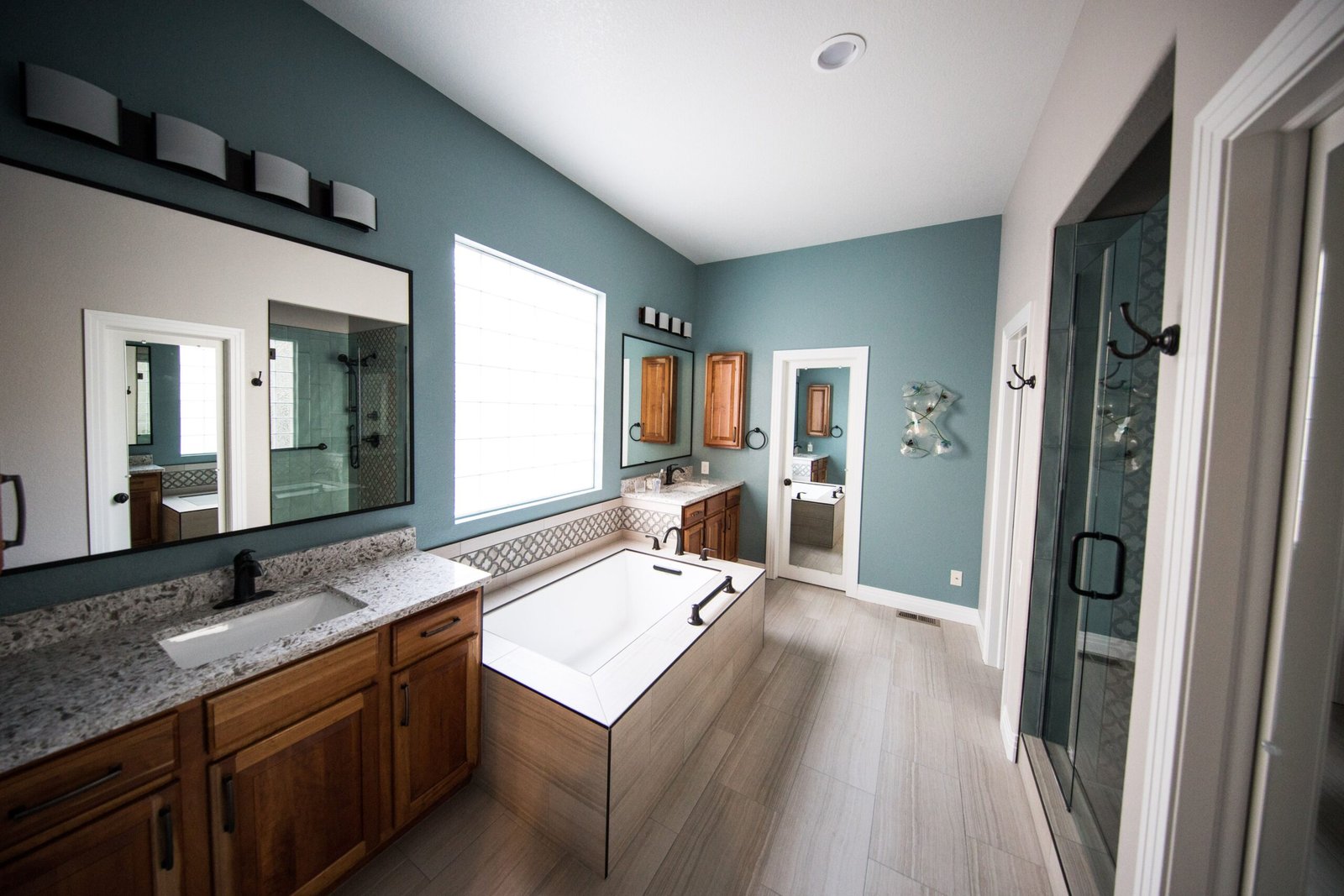
A bathroom may be one of the smaller rooms in a home, but renovating it can have an outsized impact on comfort, function, and everyday convenience. That makes careful planning particularly worthwhile in Fort Wayne, where U.S. Census Bureau data shows that 61.9% of occupied housing units were owner-occupied during 2020–2024, while the median value of owner-occupied homes was $188,900. Whether the goal is a complete transformation or a practical update, the strongest remodels begin with a clear understanding of what the room needs to do better.
Begin With the Problems, Not the Pinterest Board
It is tempting to start a bathroom remodel by choosing tile, faucets, and paint colors. Those decisions are exciting, but they should come after the functional questions.
Spend some time noticing what makes the existing bathroom frustrating. Perhaps morning routines are slowed by poor lighting, the vanity lacks useful storage, or the shower feels cramped. Maybe surfaces are difficult to clean, or moisture hangs around long after someone has finished showering.
Those everyday inconveniences should shape the remodel.
A useful way to organize priorities is to separate them into a few simple categories:
- Problems that affect daily comfort
- Features that are worn, damaged, or outdated
- Storage and organization needs
- Safety or accessibility concerns
- Design changes that would simply be nice to have
This makes it easier to protect the important parts of the project if the budget eventually requires compromises.
Choose Professional Help With Care
For homeowners considering Fort Wayne bathroom remodels, the planning stage is an opportunity to discuss layout, materials, installation, and long-term functionality before construction begins. Clear expectations around the scope of work can make the remodeling process easier to understand and manage.
When comparing professionals, look beyond the headline estimate. A detailed proposal should make it easier to understand what work and materials are included.
Communication is equally important. Find out who handles day-to-day questions, how changes are documented, what the anticipated schedule looks like, and how unexpected conditions are addressed.
A bathroom combines several building systems in a relatively small area. Clear coordination matters.
Build a Budget Around the Work You Cannot See
Bathroom renovations are deceptive because so much of the expensive work disappears behind finished surfaces.
Plumbing, electrical changes, waterproofing, ventilation, demolition, and installation can consume a meaningful share of the budget before the decorative details are considered. Hidden deterioration can add another complication once old flooring or walls are removed.
That is why a contingency fund is valuable. Instead of allocating every dollar to fixtures and finishes, leave room for unexpected repairs.
There are also practical ways to control costs without making the finished room feel cheap. Simple updates such as fresh paint, a more functional vanity, streamlined storage, and strategic use of bathroom remodeling ideas can help stretch the budget while still giving the space a polished, updated look.
The goal is not to spend as little as possible. It is to direct the budget toward improvements that will matter after the novelty of the renovation wears off.
Think Carefully Before Moving Plumbing
Changing the floor plan can completely transform a bathroom, but it can also make a straightforward remodel more complicated.
Moving a toilet, shower, or sink may involve relocating water lines and drains. That can increase labor requirements and potentially lead to additional work on floors or walls.
If the existing arrangement functions reasonably well, keeping major plumbing fixtures in place can leave more of the budget available for better materials, storage, lighting, or shower improvements. Forbes’ remodeling guidance similarly identifies retaining existing plumbing locations as one potential way to reduce renovation costs.
Layout changes make the most sense when they solve a genuine problem. A badly positioned door, inaccessible shower, awkward vanity, or lack of safe movement may justify the additional work.
The question is simple: will moving something meaningfully improve the room, or does it merely make the floor plan look different?
Choose Materials for the Bathroom You Actually Use
A bathroom has to tolerate conditions that most other rooms never encounter. Water, steam, cleaning products, temperature changes, and daily foot traffic are all part of normal life.
Materials should be selected accordingly.
Porcelain tile, moisture-resistant wall finishes, durable countertops, and properly installed shower surfaces can help create a room that is easier to live with over time. Cleaning requirements deserve consideration too. Elaborate tile patterns with numerous grout lines may look beautiful but require more maintenance than a simpler surface.
Finish samples are worth viewing in person whenever possible. Colors and textures can appear dramatically different under bathroom lighting than they do on a phone screen.
Think beyond appearance and ask how each surface will age. The best material is often not the trendiest option but the one that still looks good after years of splashes, cleaning, and busy mornings.
Make Lighting and Ventilation Part of the Design
Lighting should be planned rather than treated as a fixture selected at the end.
A single ceiling light can leave shadows around the mirror, making grooming tasks unnecessarily difficult. Layering different light sources generally produces a more functional room. That might include ambient ceiling lighting, dedicated illumination around the vanity, and appropriate lighting near the shower.
Layered lighting can make a bathroom feel more balanced and functional, especially when the design accounts for room size, moisture levels, and the different tasks performed around the vanity and shower. Choosing the right mix of bathroom lighting can help reduce shadows while making the space more comfortable to use throughout the day.
Ventilation deserves equal attention. Moisture that remains trapped in the room can contribute to mildew and damage to finishes. Exhaust should be directed outside rather than into another part of the building, and the fan needs to be appropriate for the space.
A beautiful bathroom that struggles with moisture is not a successful remodel.
Let Storage Earn Its Space
Storage is rarely the most glamorous part of bathroom design, yet it has an enormous influence on how the finished room feels.
Start by thinking about what actually lives in the bathroom. Everyday toiletries should be easy to reach, while backup products, towels, and cleaning supplies can usually be stored farther away.
Vanity drawers often provide easier access than deep cabinets because items do not disappear behind one another. Recessed medicine cabinets can add useful storage without occupying floor space, while shower niches keep bottles organized without relying on hanging caddies.
Open shelves can add character, but they also put everything on display. If a calm, uncluttered room is the goal, concealed storage may be more practical.
The best storage plan is almost invisible in daily life because everything naturally has somewhere to go.
Design for the Person You Will Be Later
A bathroom remodel may last much longer than the trend that inspired it.
That makes long-term usability worth considering even when accessibility is not an immediate concern. Features such as comfortable walkways, easy-entry showers, thoughtful fixture placement, and strategically positioned support can make the room easier for people with different mobility needs.
These details do not have to make a bathroom look institutional. Modern accessible design can blend naturally into the overall aesthetic.
Timeless does not have to mean boring either. Personality can come through mirrors, lighting, hardware, paint, and accessories—elements that are relatively easy to change later. More permanent investments, such as waterproofing, flooring, plumbing, and major fixtures, generally benefit from a longer-term perspective.
Create a Bathroom That Feels Better Every Day
A successful remodel is not defined by how dramatic the before-and-after photos look. Its real test comes months later.
Does the room stay organized? Is the lighting comfortable? Does the shower work the way you hoped? Are surfaces easy to maintain? Is there enough storage? Does the layout make mornings simpler?
When those answers are yes, the renovation has accomplished something more valuable than a cosmetic update.
Good bathroom design combines appearance with practical thinking. By establishing priorities early, budgeting for unseen work, choosing durable materials, and planning lighting, ventilation, storage, and accessibility together, you can create a room that feels fresh now and continues to work well for years.