

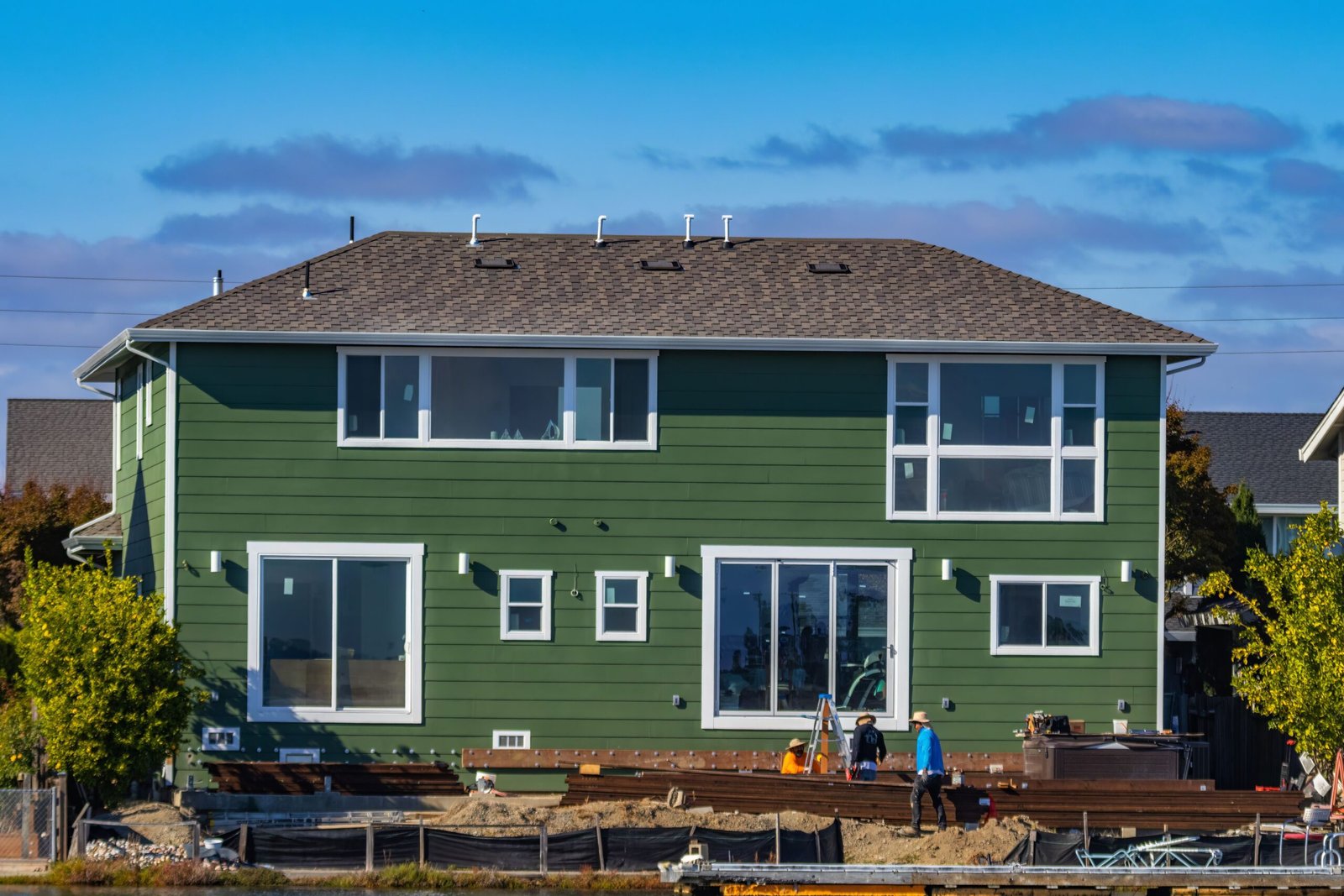
Siding has a bigger job than simply making a home look finished. It helps shield the structure from rain, wind, pests, and changing temperatures while playing a major role in curb appeal. When siding begins to crack, warp, loosen, or deteriorate, replacement can become an important home improvement rather than a purely cosmetic upgrade. The challenge is knowing what to prioritize. Material, moisture protection, installation quality, maintenance, and budget all deserve attention before work begins. Planning those details carefully can help you create an exterior that looks refreshed while continuing to protect the home for years.
Know When Replacement Makes Sense
Not every damaged panel means the entire exterior needs to be replaced.
A small isolated problem may be repairable, particularly when the surrounding siding remains in good condition. Widespread deterioration, however, deserves closer attention.
Walk around the house and look for cracking, warping, loose panels, persistent staining, soft areas, or sections pulling away from the wall. Peeling finishes and recurring moisture problems can also indicate that the exterior needs more than a surface-level fix.
Pay particular attention around windows, doors, corners, and areas where water regularly drains.
The age of the existing material matters too. When repeated repairs become necessary across different areas, replacement may eventually make more sense than continuing to patch individual problems.
Make Installation Quality a Priority
Excellent siding cannot compensate for careless installation.
Professional siding installation should account for more than attaching new material to exterior walls. The existing surface needs to be evaluated; damaged areas may require repair, and details around openings, corners, trim, and transitions need careful attention. Proper preparation helps the finished exterior perform as a complete system rather than simply providing a new outer layer.
Before work begins, ask how the existing siding will be removed or prepared and what happens if hidden damage is discovered.
Understanding the installation process makes it easier to compare proposals based on workmanship and scope instead of price alone.
Think of Siding as a Complete Exterior System
Siding is only the visible layer of a larger system designed to manage weather and moisture.
Behind it may be sheathing, a weather-resistant barrier, insulation, flashing, and other components that contribute to exterior performance. That is why removing old siding can sometimes reveal problems that were impossible to see beforehand.
Water intrusion deserves particular attention. Moisture reaching materials behind the siding can contribute to deterioration and may require repairs before new panels are installed.
This is also why simply covering a questionable exterior with new material is not always the best solution.
A successful replacement should address the condition of the wall beneath the siding as well as the appearance of the finished surface.
Compare Materials Beyond Appearance
Different siding materials offer different combinations of cost, maintenance, durability, and style.
Vinyl is widely used because it is available in many profiles and generally requires limited routine maintenance. Fiber cement offers a substantial appearance and resistance to several common exterior threats, although installation can be more involved.
Engineered wood can provide a traditional look with different maintenance characteristics from natural wood. Wood itself remains appealing for its character but typically requires more ongoing care. Metal offers another durable option with a distinctive appearance.
Instead of choosing from photographs alone, compare how each material fits your budget, maintenance preferences, architectural style, and expected exposure.
The best material is not necessarily the most expensive. It is the one whose performance and upkeep make sense for the home.
Pay Attention to Moisture Management
Some of the most important siding details are nearly invisible once the project is complete.
House wrap, flashing, and related weather-management components help direct water away from vulnerable areas. Openings such as windows and doors require particular attention because poor detailing can allow moisture to reach the wall assembly.
Seeing how house wrap is installed beneath siding can provide useful context for why preparation behind the finished material matters.
Ask your contractor how water will be managed around windows, doors, penetrations, and transitions. If existing flashing is damaged or inadequate, replacement may provide an opportunity to correct it.
A polished exterior is valuable, but the hidden details protecting the wall are what help that appearance last.
Build a Budget Around the Full Scope
Siding replacement costs involve more than the panels themselves.
Labor, removal of existing materials, disposal, trim, preparation, flashing, repairs, and design complexity can all affect the final price. Multi-level walls, unusual architectural details, and difficult access may increase labor requirements as well.
Reviewing the factors that influence siding installation costs can help you understand why estimates for seemingly similar projects may differ considerably.
When comparing bids, make sure each contractor is pricing roughly the same scope. One estimate may include old-material removal, trim, preparation, and cleanup while another treats some of those items as additional charges.
Set aside some flexibility for concealed damage too. It is easier to handle an unexpected repair when the budget already allows for that possibility.
Choose a Contractor by Asking Better Questions
Price matters, but it should not be the only factor when choosing someone to work on the exterior of your home.
Ask about experience with the siding material you intend to use. Confirm appropriate licensing and insurance where required, and request a detailed written proposal.
Find out who will actually perform the work and whether subcontractors are involved. Ask how the property will be protected during removal, where debris will go, and how cleanup will be handled.
Warranty details deserve attention as well. Product warranties and workmanship warranties may cover different things, so understand what protection applies and who you would contact if a problem appeared later.
Clear answers before signing a contract can prevent confusion once construction begins.
Make Design Choices That Will Age Well
Color is important, but it is only one element of exterior design.
Profile, texture, orientation, trim, and the relationship between siding and other exterior features all influence the final appearance. Consider the roof, windows, doors, masonry, and other permanent elements before choosing a finish.
View physical samples outside when possible. Natural light can make colors look considerably different from small digital images or indoor samples.
It can also help to resist choosing something simply because it is currently fashionable. Exterior materials are expected to remain in place for years, so a design that complements the architecture usually has more staying power than one built entirely around a short-lived trend.
Aim for a result that feels intentional rather than overly complicated.
Prepare for What Happens During the Project
Siding replacement temporarily turns the exterior of a home into a worksite.
Expect noise, ladders, material deliveries, debris, and workers moving around the property. Outdoor furniture, decorations, and other items near the walls may need to be moved before work starts.
Inside, remove fragile objects from exterior walls if vibration could cause them to shift.
Ask the contractor how long the project is expected to take and how weather interruptions will be handled. Knowing where materials and waste containers will be placed can also make the process easier.
Good preparation will not eliminate every inconvenience, but it can prevent avoidable surprises.
Inspect the Finished Work Carefully
Once installation is complete, take time to review the exterior before considering the project finished.
Look at panel alignment, corners, trim, transitions, and areas around windows and doors. Ask questions about anything that appears inconsistent or unfinished.
Confirm that debris and old materials have been removed and obtain warranty information, product documentation, and recommended maintenance instructions.
Different siding materials require different levels of care. Some may need little more than periodic cleaning and inspection, while others require painting, sealing, or more regular attention.
Knowing those requirements from the beginning can help preserve the appearance and performance of the new exterior.
Invest in More Than Curb Appeal
Replacing siding can dramatically change how a home looks, but appearance should be only part of the decision.
A strong project begins with understanding why replacement is needed, choosing an appropriate material, addressing hidden problems, and paying close attention to moisture management and installation quality.
Budget for the complete scope rather than the visible materials alone, and choose professionals based on clear information rather than the lowest number on an estimate.
When those decisions are made carefully, new siding becomes more than a visual makeover. It becomes an investment in the exterior system that protects the home every day.