

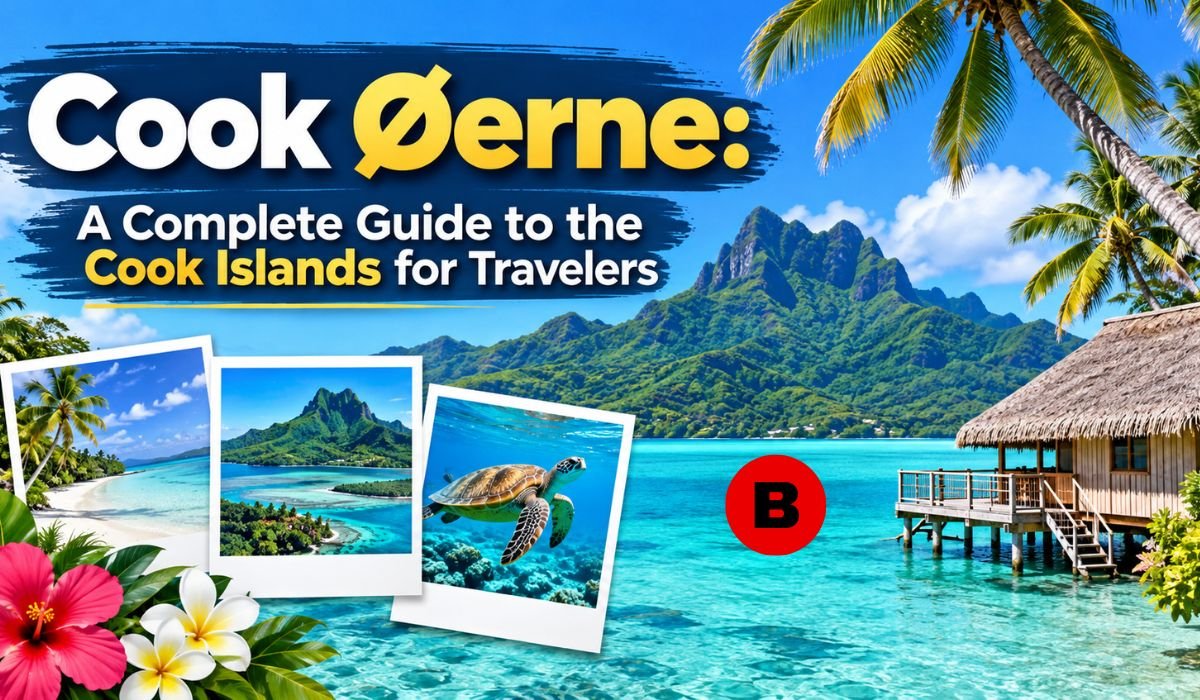
Introduction To Cook Øerne
Cook Øerne is the Danish name for the Cook Islands, a South Pacific destination known for brilliant turquoise lagoons, volcanic mountains, coral reefs, and a deeply rooted Polynesian culture. At first glance, it’s easy to think of the islands as nothing more than a picture-perfect beach escape. Spend a little more time here, though, and a much richer destination comes into view.
Travelers can hike through lush mountain landscapes in the morning, explore a local market later in the day, snorkel in clear lagoon waters, and finish the evening with fresh island food. The pace is generally relaxed, and that slower rhythm is part of the attraction.
For most first-time visitors, the journey centers on Rarotonga and Aitutaki. Rarotonga is the country’s main travel hub and has the widest choice of accommodation, restaurants, transportation, and activities. Aitutaki, about 220 kilometers north of Rarotonga, is famous for its expansive turquoise lagoon and 15 small motu, or islets. Experiencing both creates a well-rounded Cook Islands Travel adventure that combines nature, culture, exploration, and downtime.
Quick Bio Information About Cook Øerne
| Fact | Information |
|---|---|
| Destination | Cook Islands |
| Danish Name | Cook Øerne |
| Region | South Pacific |
| Main Island And Capital | Rarotonga |
| Famous Lagoon Destination | Aitutaki |
| Main International Airport | Rarotonga International Airport |
| Rarotonga Circumference | About 32 Kilometers |
| Rarotonga Driving Time | About 45 Minutes Around The Island |
| Aitutaki Distance | About 220 Kilometers From Rarotonga |
| Rarotonga To Aitutaki | About 50 Minutes By Air |
| Driving Side | Left |
| Official Languages | Cook Islands Māori And English |
| Currency | New Zealand Dollar, Along With Cook Islands Coins And Notes |
| Climate | Warm Tropical Climate |
| Drier Period | April To November |
| Warmer Period | November To March |
| Whale-Watching Period | Generally July To October |
| Main Activities | Snorkeling, Swimming, Hiking, Cruises And Cultural Experiences |
| Population | 15,020 In The 2021 Census |
| Electricity | 240V AC, 50Hz, New Zealand/Australian-Style Three-Pin Plugs |
The Cook Islands had a population of 15,020 in the 2021 Census. The destination’s current tourism information also provides guidance on climate, transportation, currency, electricity, and other practical travel matters.
Where Are The Cook Islands?
The Cook Islands sit in the South Pacific, between New Zealand and Hawaii. The country consists of 15 islands scattered across an enormous area of ocean, although the combined land area is relatively small.
For international travelers, Rarotonga is the main gateway. From there, domestic flights connect visitors with Aitutaki and several of the outer islands. The geography explains much of the destination’s character. The Cook Islands feel genuinely remote, yet visitors aren’t cut off from the conveniences needed for a comfortable holiday.
Rarotonga, for example, has restaurants, shops, accommodation, public transportation, mobile services, and organized excursions. At the same time, its compact roads and low-rise surroundings give the island a distinctly slower pace than a major city or heavily developed resort destination.
What Makes Cook Øerne Special?
The appeal of Cook Islands Travel lies in the way its natural scenery and local life fit together. Rarotonga brings together a dramatic mountainous interior, a coastal road, beaches, lagoons, villages, restaurants, and activity providers. You don’t have to spend half a day traveling between attractions to experience something completely different.
The cultural side of the islands is just as significant. Cook Islands Māori heritage continues to shape music, dance, food, carving, language, community events, and traditional celebrations.
For visitors, that means cultural awareness matters. Villages, churches, and community spaces aren’t simply tourist attractions. They’re part of everyday island life. Dressing modestly away from the beach and asking permission before photographing people are small but meaningful ways to show respect.
Rarotonga And Aitutaki
Deciding between Rarotonga Travel and Aitutaki really comes down to what you want from your trip. Rarotonga is the natural starting point for most visitors because it has the main international airport as well as the largest selection of accommodation, restaurants, activities, and transport options.
The island is roughly 32 kilometers in circumference, and the main road can be driven around it in about 45 minutes. That doesn’t mean you should rush through it. In fact, Rarotonga rewards travelers who stop along the way and explore at their own pace.
Aitutaki feels different. Located around 220 kilometers north of Rarotonga, it takes approximately 50 minutes to reach by air. Its triangular reef surrounds a striking turquoise lagoon dotted with 15 motu.
Lagoon cruises, snorkeling, swimming, kayaking, and exploring the island itself are among the major experiences. A day trip is possible, but spending a night or more gives you the chance to slow down and experience Aitutaki beyond a tightly scheduled excursion.
Best Time To Visit The Cook Islands
The Best Time To Visit Cook Islands depends on what you hope to do while you’re there. The destination enjoys a warm tropical climate throughout the year, but the seasons bring some differences worth considering.
April through November is generally the drier period, with average temperatures around 26°C. From November through March, conditions become warmer and more humid, and tropical showers are more common, particularly between December and March.
April, May, September, and October can be appealing shoulder-season months for travelers looking for a combination of warm temperatures and relatively dry conditions. July through October also falls within the period when humpback whales may be spotted from the Rarotonga foreshore.
The Cook Islands Exclusive Economic Zone has been declared a whale sanctuary, highlighting the importance of marine conservation to the destination. Weather can change quickly in a tropical environment, so even during a generally dry period, it’s sensible to be prepared for rain.
How To Get To Cook Øerne
Most international visitors arrive through Rarotonga International Airport. Current 2026 flight information includes direct services from destinations such as Auckland, Sydney, Brisbane, Honolulu, and Papeete, along with seasonal services from Christchurch. Flight schedules vary, so travelers should check the latest airline information before booking.
Once you’re in Rarotonga, Aitutaki is accessible by domestic flight. The journey takes about 50 minutes, making it possible to include the island even during a relatively short vacation.
Entry requirements deserve careful attention before departure. Current Cook Islands guidance generally requires international travelers to hold a passport valid for at least six months beyond their departure date. Travelers should also have proof of onward or return travel and accommodation, along with sufficient funds and other required documentation.
New Zealand passport holders can receive up to 90 days on arrival, while other passport holders generally receive up to 31 days. Immigration rules can change, however, so travelers should confirm the latest requirements shortly before their trip.
Getting Around Rarotonga
Getting Around Rarotonga is relatively easy, largely because the island is compact. Visitors can choose from rental cars, scooters, bicycles, e-bikes, buses, taxis, and arranged transfers.
Traffic drives on the left, and the circular main road makes it straightforward to understand the island’s layout. Public buses travel around the island in clockwise and anti-clockwise directions, providing an alternative for people who’d rather not drive.
A car can be particularly convenient for families or travelers carrying beach equipment. Bicycles and e-bikes are useful for shorter journeys and leisurely exploration.
Scooters are another popular option, but licensing rules should be checked carefully because requirements can depend on the license you already hold. Helmets are compulsory for motorcycle travel on Rarotonga. Current tourism guidance also states that international visitors aged 16 and over can drive with a full overseas license for up to six months, while additional rules apply to visitors using scooters without an appropriate home-country license.
Where To Stay In The Cook Islands
Cook Islands Accommodation ranges from resorts and hotels to villas, holiday homes, apartments, and smaller properties. Rarotonga has the greatest variety, so it’s easier to find something that fits your budget and preferred style of travel.
Muri is particularly well known for its lagoon and access to water activities. Other parts of the island can offer a quieter setting, which may appeal to travelers who want fewer distractions at the end of the day.
Aitutaki has a smaller accommodation market and a more intimate feel. Visitors can choose from resorts, villas, holiday accommodation, and other properties, including overwater bungalow options.
When choosing where to stay, consider the experience you want rather than focusing only on the property itself. Proximity to restaurants, beaches, activities, transport, and quieter areas can make a noticeable difference to the way your trip unfolds.
Things To Do In Rarotonga
There are plenty of Things To Do In Rarotonga, and spending the entire trip on the beach would mean missing much of the island.
Snorkeling and swimming are obvious highlights, but the mountainous interior offers another side of Rarotonga. Hiking routes through the interior provide opportunities to see the island’s lush landscape from a different perspective. Guided experiences can add local knowledge about plants, wildlife, history, and the environment.
There are also markets, cafés, cultural performances, scenic drives, cycling opportunities, and local food experiences. Because the island is so compact, it’s possible to combine several activities in one day without spending hours traveling between them.
Still, there’s no need to fill every hour. Some of the most enjoyable moments can come from simply stopping at a beach, watching the mountains after rain, or discovering a small local spot that wasn’t on your original itinerary.
Things To Do In Aitutaki
The biggest attraction among the Things To Do In Aitutaki is undoubtedly the lagoon, but there is more to the island than a boat excursion.
Visitors can join lagoon cruises, snorkel in clear water, swim around sandy motu, kayak, cycle, or explore by scooter. One Foot Island is one of the lagoon’s best-known destinations and is also associated with a distinctive post office experience.
Aitutaki offers other activities too, including fishing, diving, kitesurfing, and opportunities to learn more about local island life.
Its smaller scale creates a different rhythm from Rarotonga. That’s particularly noticeable when you stay overnight. Once the day’s organized excursions have finished, the island can feel considerably quieter, giving visitors more time to appreciate the scenery without a strict schedule.
Cook Islands Culture And Local Etiquette
A meaningful Cook Islands Holiday should include some time spent understanding the culture. Cook Islands Māori heritage can be experienced through language, music, dance, food, crafts, stories, and community traditions.
Cultural performances can provide visitors with an introduction to traditional practices, but everyday life offers another important perspective. Churches, villages, family gatherings, and community events remain part of the living culture of the islands.
Visitors should dress respectfully when visiting towns, villages, and churches. Beachwear belongs at the beach, and nude or topless sunbathing is considered offensive. English is widely spoken, while Cook Islands Māori remains an important part of the country’s cultural identity and official language landscape.
A little awareness goes a long way. Ask before taking photographs of people, respect religious spaces, and avoid treating cultural traditions as if they’re simply staged for visitors.
Food, Money, And Practical Costs
Food is an important part of Cook Islands Travel, with seafood, local produce, grilled dishes, and Polynesian influences appearing throughout the islands. Travelers can eat at restaurants and resorts, visit markets and cafés, or choose self-catering accommodation and prepare some meals themselves.
The currency is the New Zealand dollar, along with Cook Islands notes and coins. Cards and EFTPOS are accepted by many businesses, but card availability can be more limited on the outer islands. Carrying some cash is therefore a sensible precaution.
The Cook Islands can be relatively expensive compared with some other island destinations because many consumer goods are imported. Accommodation, food, transportation, domestic flights, and excursions can quickly add to the overall cost.
For longer stays, grocery shopping and occasional self-catering can help keep everyday spending under control. It’s also worth deciding in advance which paid experiences are genuinely important to you rather than trying to book everything.
Packing And Essential Travel Preparation
Packing for Cook Øerne is mostly about preparing for both sunshine and tropical showers. Lightweight clothing, swimwear, sandals, comfortable walking shoes, sun protection, a reusable water bottle, and a waterproof bag are all useful.
A light rain jacket is worth bringing, too. Even during a generally dry period, tropical showers can arrive unexpectedly.
Electricity is another practical detail that’s easy to overlook. The Cook Islands uses 240V AC at 50Hz and New Zealand- and Australia-style three-pin plugs. Travelers from countries using different electrical systems should bring a suitable adapter.
Mobile services and Wi-Fi are available, although connection quality can vary between properties and islands. Visitors can obtain local SIM options, but anyone who needs dependable internet for work should plan accordingly rather than assuming the connection will perform like a major-city network.
Health preparation matters as well. Rarotonga has a well-equipped hospital, while Aitutaki has a smaller hospital. Visitors are responsible for their own medical expenses, making suitable travel insurance an important part of preparation. Travelers with ongoing medical needs should bring necessary supplies and plan ahead for the more limited healthcare options on smaller islands.
Cook Islands Itinerary And Responsible Travel
A good Cook Islands Itinerary should reflect the amount of time you actually have. Trying to see everything can take away from the relaxed character that makes the destination appealing in the first place.
Five days can work well for a Rarotonga-focused holiday, allowing time for beaches, lagoon activities, hiking, food, markets, and island exploration. With around seven days, travelers can reasonably consider adding Aitutaki. Ten days or more allows a slower pace, additional activities, cultural experiences, and time to explore beyond the most familiar visitor areas.
Responsible travel should be part of that plan. The Cook Islands’ reefs, lagoons, beaches, forests, and marine wildlife are central to its appeal. Visitors should avoid touching or damaging coral, disturbing wildlife, leaving rubbish behind, or ignoring local environmental advice.
Supporting locally owned businesses and choosing responsible tour operators can also help tourism benefit island communities. The destination’s Mana Tiaki approach encourages visitors and businesses to care for the people, culture, and environment that make the Cook Islands special.
Final Thoughts On Visiting Cook Øerne
Cook Øerne offers far more than the postcard image of a tropical beach. Rarotonga brings together mountains, lagoons, hiking, food, culture, and easy island exploration, while Aitutaki provides a spectacular lagoon landscape and a noticeably slower pace.
The appeal of a Cook Islands Vacation lies partly in that balance. You can fill your days with snorkeling, hiking, markets, cultural experiences, and boat trips, but you don’t have to. Some of the best parts of the journey may come when you stop planning for a while.
Give yourself time to swim, explore a local market, watch rain move across the mountains, share a meal, or sit beside the lagoon without checking the clock. Handle the important practical details before you arrive, then leave enough space for the islands to surprise you. That combination of preparation, curiosity, and unhurried travel is what can turn a trip to Cook Øerne into something you’ll remember long after you’ve gone home.
FAQs About Cook Øerne
What Does Cook Øerne Mean?
Cook Øerne is the Danish name for the Cook Islands. It refers to the South Pacific island nation that includes Rarotonga, Aitutaki, and several outer islands.
Is Rarotonga Or Aitutaki Better For A First Visit?
The two islands offer different experiences. Rarotonga has more accommodation, restaurants, transportation, hiking, and general activities, while Aitutaki is particularly famous for its lagoon and motu. Travelers who have enough time can experience both for a more varied introduction to Cook Øerne.
How Long Is The Flight From Rarotonga To Aitutaki?
The domestic flight takes approximately 50 minutes. Air Rarotonga operates services between the islands, although schedules and departure frequencies can change, so it’s best to check the current timetable when planning your trip.
What Is The Best Time To Visit The Cook Islands?
There isn’t one perfect month for every traveler. April, May, September, and October can be attractive because they often combine warm temperatures with relatively dry conditions. July through October is also associated with possible humpback whale sightings around Rarotonga.
Do You Need A Car In Rarotonga?
No. Visitors can get around using buses, bicycles, e-bikes, scooters, taxis, and rental cars. Rarotonga is compact enough that many travelers can manage without a car. A rental vehicle can, however, provide extra flexibility for families or people carrying beach and activity equipment.
Is Aitutaki Worth An Overnight Stay?
For travelers with enough time, an overnight stay can make the experience more relaxed. Instead of seeing the island only through a day-trip schedule, you can explore at your own pace, enjoy additional lagoon time, and experience the quieter atmosphere after organized excursions have ended.
Is Cook Øerne Expensive?
The Cook Islands can be relatively expensive because many products are imported. Accommodation, food, transportation, and activities all contribute to the overall cost. Self-catering accommodation, grocery shopping, public transportation, and selective activity planning can help travelers manage their budget.
What Should You Know Before Visiting Cook Øerne?
Check current entry requirements before departure, make sure your passport meets the required validity period, arrange appropriate travel insurance, and confirm domestic flight and transportation schedules. It’s also worth preparing for tropical weather and learning basic local etiquette, particularly around churches, villages, photography, and environmental protection.
Learn more and explore exciting content on: Best Arroz con Leche Boliviano Near Me: A Guide to Finding Authentic Desserts