

For dog owners in Pittsburgh, PA, caring for a dog is rarely limited to morning walks and filling a food bowl. Dogs become part of work schedules, weekend plans, family visits, vacations, and even decisions about where to live. That closeness is rewarding, but it also creates a practical question: what happens when your normal routine suddenly cannot include your dog?
A useful backup plan covers more than emergencies. It prepares for business trips, long workdays, home repairs, family events, illness, and the occasional weekend away. The goal is to make changes in routine less disruptive for both you and your dog.
Find Backup Care Before You Actually Need It
The worst time to investigate dog care is the evening before an unexpected trip. Owners benefit from researching options while they have time to ask questions, visit facilities, and understand requirements.
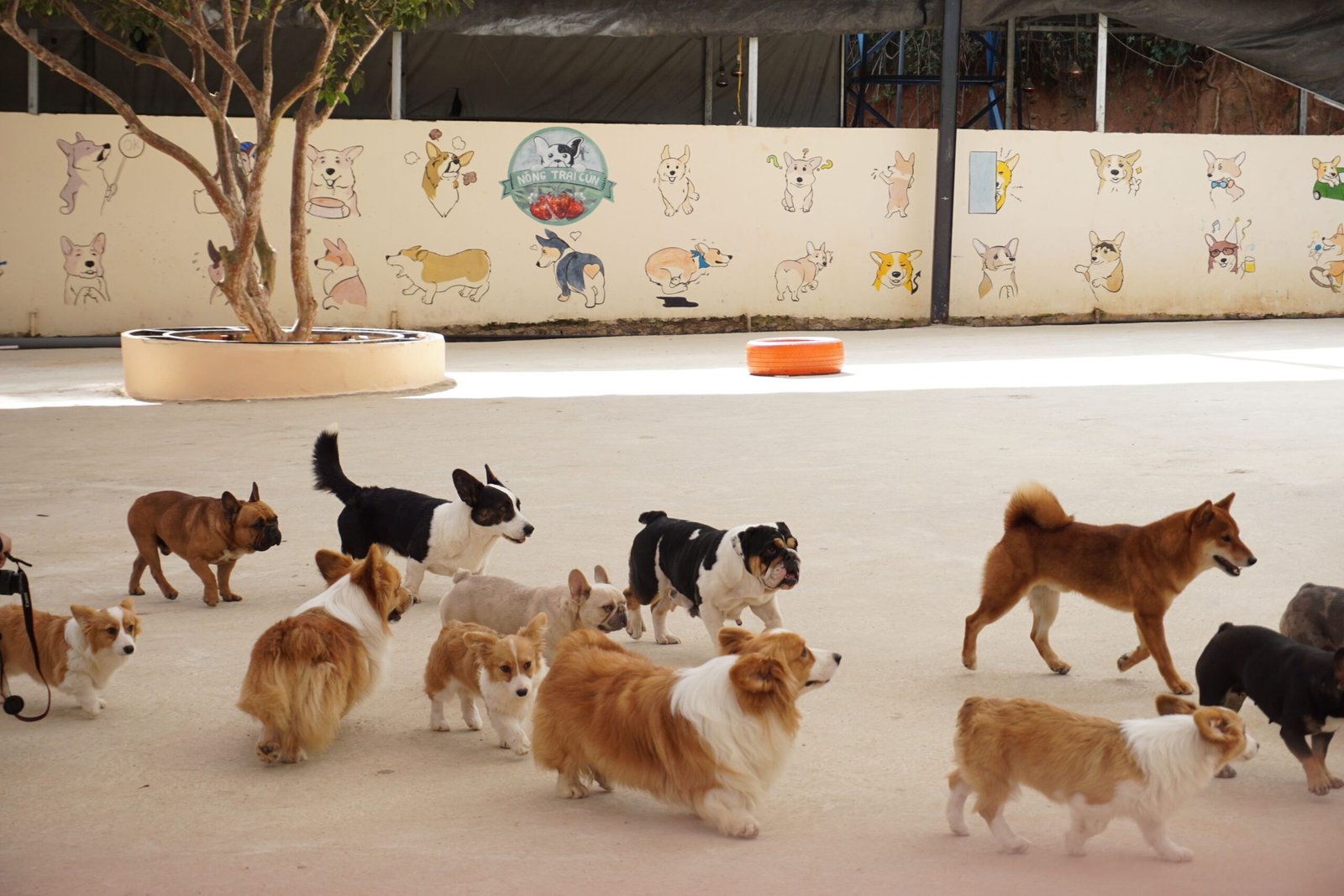
However, in some cases, overnight care can become a necessity. If you’re looking for places that offer dog boarding Pittsburgh PA gives you plenty of options. Look beyond simple availability and consider how a facility handles feeding, exercise, social interaction, individual attention, medications, and dogs that may not be comfortable in group play.
It is also smart to learn vaccination, flea-and-tick prevention, temperament evaluation, and reservation requirements ahead of time. Having records ready makes an unplanned stay much easier to arrange.
Build a Care File Someone Else Can Understand
Dog owners carry an enormous amount of information in their heads. You know which bowl your dog prefers, how much food counts as dinner, what a certain whine means, and why the back door needs to be opened before bedtime.
A substitute caregiver does not know any of that.
Create a simple care file with feeding amounts, medication instructions, veterinarian information, emergency contacts, behavioral notes, walking habits, allergies, and any important restrictions. Include details that seem obvious to you, such as whether your dog bolts through doors or guards toys.
Keep the document current. A beautifully organized care sheet from three years ago is not helpful if the medication, food, or emergency number has changed.
Teach Independence Without Making It Feel Like Rejection
A dog that spends nearly every hour beside its owner may struggle when the routine suddenly changes. Building reasonable independence can make occasional separation less dramatic.
That does not mean ignoring your dog. It means creating ordinary periods when the dog rests, plays with an appropriate enrichment item, or settles without constant interaction. Gradual, positive experiences with trusted caregivers can also help.
If your dog shows significant distress when left alone, avoid assuming stubbornness or trying to force independence quickly. Persistent separation-related behavior can require guidance from a veterinarian or qualified behavior professional.
The aim is confidence, not emotional distance.
Make Exercise Fit the Dog You Actually Have
A generic instruction to “exercise your dog more” is not particularly useful. A young, energetic working breed may have very different needs from an older dog with mobility limitations.
Pay attention to what leaves your dog comfortably satisfied rather than overstimulated or exhausted. Walks provide physical movement, but sniffing, training games, food puzzles, and other forms of enrichment can add mental activity.
Pittsburgh weather can also disrupt routines. Hot days, cold conditions, heavy rain, or icy sidewalks may shorten outdoor sessions. Having safe indoor activities available prevents bad weather from turning into several days of boredom.
Practice the Routine Before an Overnight Stay
If your dog has never spent a night away from home, a weeklong absence is a substantial first experiment.
Where practical, introduce new care arrangements gradually. A daycare visit, short stay, or familiarization visit can reveal how your dog responds to the environment and give caregivers useful information.
Ask what you should bring. Some facilities prefer owners to provide the dog’s normal food to reduce abrupt dietary changes, while policies regarding bedding, toys, treats, and medications can vary.
Do not introduce a completely new diet or complicated routine immediately before boarding unless there is a genuine need. Familiarity can make transitions easier.
Plan for Health Needs Before They Become Urgent
Every dog owner should know where routine veterinary care ends and emergency care begins. Keep your veterinarian’s information accessible and identify an appropriate emergency option before you need one.
If someone else is caring for your dog, discuss what they should do if the dog becomes ill or injured. Provide clear authorization and contact instructions rather than expecting a caregiver to guess what you would want.
Medication deserves particular attention. Keep prescriptions properly labeled and provide written dosing directions. Never assume another person will remember verbal instructions given during a rushed handoff.
Preparedness cannot prevent illness, but it can remove avoidable confusion when quick decisions matter.
Give Your Dog an Identity Backup Too
Collars and tags are simple tools, but they matter most when something unexpected happens. Check periodically that identification information is readable and current.
If your dog is microchipped, make sure the associated contact details remain accurate. A microchip is much less useful when it points to an old phone number or address.
Keep recent photographs of your dog as well. Include clear images showing the face, body, coat markings, and any distinctive features.
These precautions are useful even for dogs that rarely wander. Gates get left open, leashes fail, storms frighten animals, and unfamiliar environments can change behavior. Identification is a small preparation with potentially enormous value.
Design Your Human Schedule With the Dog in Mind
Responsible dog ownership becomes easier when canine care is built into life planning instead of repeatedly squeezed into leftover time.
Before accepting a demanding new schedule, planning extended travel, or adding regular evening commitments, think about feeding, bathroom breaks, exercise, companionship, and supervision. The answer does not always have to be staying home. Dog walkers, daycare, trusted friends, family members, and boarding can all form parts of a wider support system.
The important thing is predictability. A dog should not repeatedly experience long, unexplained gaps in care because the owner’s calendar became crowded.
This is where a backup plan becomes more than an emergency document. It becomes part of designing a sustainable life with a dog.
Good dog ownership is often described through affection, training, nutrition, and exercise. Those things matter, but reliability matters too. Dogs depend on people for needs they cannot independently arrange, which means owners need alternatives when ordinary routines break.
Start small. Organize veterinary records. Update identification. Write down feeding and medication instructions. Research care options before a trip appears on the calendar. Let your dog become comfortable with another trusted caregiver.
For Pittsburgh dog owners, the result is not a rigid system that anticipates every possible problem. It is something more practical: confidence that when work, travel, weather, family obligations, or an unexpected event changes your day, your dog’s care does not disappear with the original plan.