

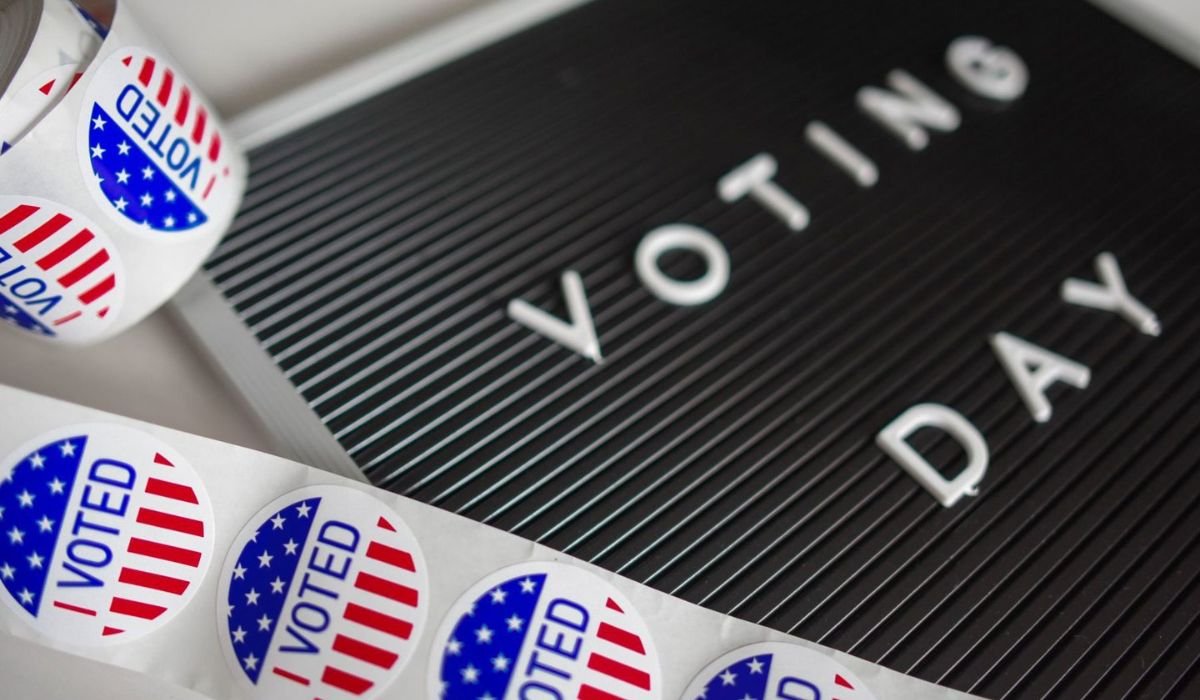
As midterm congressional elections approach, shifts in voter sentiment are becoming increasingly relevant in political betting markets worldwide. If you consider what matters to people at the community level, you will see how public discontent shapes expectations for the White House. Such changes do not come suddenly; they develop gradually as worries about personal finances, politics and government decisions grow.
During midterm elections, American citizens can evaluate the performance of the ruling party. This may happen through family discussions at home or at a local community meeting.
As long as public discontent spreads, political betting markets tend to react accordingly. Shifts in voter sentiment influence odds and show the link between voters’ expectations and their experience. If you are interested in election results, it can help to learn more about these local factors.
The Changing Mood of the American Electorate
Midterms aren’t necessarily won through impressive speeches or ambitious policy promises. Much depends on voter enthusiasm, turnout and whether people believe their circumstances are improving. When communities feel ignored by Washington, that frustration can become a powerful motivation to vote against those in office.
You can often spot the warning signs well before Election Day. Parents question school board decisions, business owners worry about rising utility bills and younger workers wonder whether their jobs are secure. These concerns might seem unrelated, but together they influence how people feel about political leadership.
The real shift happens when previously disengaged voters decide they’ve had enough. Even a relatively small change in suburban voting patterns can cost a party its congressional majority. For bookmakers, these developments matter because they challenge earlier assumptions about which party is likely to retain control.
What Political Betting Markets Are Actually Measuring
Political betting markets reflect shifting expectations about what leaders can realistically achieve. For example, current Trump betting odds from BetUS offer insight into how bookmakers assess presidential influence, especially when domestic approval becomes uncertain.
Markets covering potential meetings with foreign leaders and international trade negotiations can also reflect expectations about the administration’s political position.
These odds don’t necessarily tell you what will happen. Instead, they show how particular outcomes are being priced at a given moment, based on available information, betting activity and the risks bookmakers are managing.
When public dissatisfaction rises or primary turnout produces unexpected results, expectations can shift. Bookmakers may adjust their prices as new information emerges, while market participants watch for signs that earlier predictions no longer hold.
Several developments are worth following when assessing these movements:
- Higher voter turnout in districts traditionally considered politically moderate.
- Declining consumer confidence in important swing constituencies.
- Changes in public engagement during contentious congressional debates.
- Sudden adjustments to odds in speculative political proposition markets.
Taken together, these indicators can help explain why betting prices move, though none alone reliably predicts outcomes.
Why Household Finances Can Change Political Loyalties
Few things test political loyalty as much as the cost of living. When you’re paying more to fill your car, struggling with rent increases or watching your grocery bill climb, promises made in Washington can start to feel disconnected from reality.
Voters under financial pressure may hold the governing party responsible, even when the causes extend beyond the administration’s decisions. That perception matters during midterms, when dissatisfaction with living standards can influence whether people support incumbents or look for alternatives.
Political betting markets pay attention to these economic concerns because they can affect electoral behavior. Rising interest rates, wages that fail to keep pace with household expenses and uncertainty about future costs can all contribute to voter frustration.
For bookmakers, the challenge is understanding whether that frustration will actually translate into votes. Financial pressure doesn’t automatically produce a particular election result, but it can make established political assumptions less secure. When enough voters begin questioning the status quo, expectations surrounding future political outcomes may change considerably.
How Congressional Control Shapes Presidential Power
Midterm results matter for reasons that extend well beyond which party controls congressional committees. They can determine how much room a president has to pursue major policies for the rest of the administration.
A Congress controlled by the president’s party generally makes it easier to advance legislation and negotiate support for significant initiatives. Losing control of either chamber, however, can complicate that process.
If you’ve followed American politics for any length of time, you’ll recognize the familiar consequences of divided government. Budget negotiations become harder, congressional investigations draw more attention and policy proposals can remain unresolved for months.
These institutional obstacles also matter to political betting markets. When an administration faces resistance in Congress, bookmakers may assign lower probabilities to ambitious legislative goals or other political milestones.
The same uncertainty can shape expectations about international negotiations, especially when congressional cooperation matters. A president may retain considerable executive authority, but a divided legislature can limit what the administration can deliver.
Understanding this distinction helps explain why midterm elections can influence markets focused on presidential decisions rather than congressional races alone.
Looking Beyond the Headlines to Understand Political Odds
Political betting odds can indicate shifting expectations, but they need context. Opinion polls measure responses from surveyed voters, while betting markets reflect prices shaped by wagers, available information and bookmaker adjustments.
Neither offers a complete picture. A poll might capture a temporary reaction to a controversial announcement, while betting prices can move because trading activity changes rather than because voter sentiment genuinely shifts.
That’s why looking at both can give you a more balanced understanding of the political landscape.
Pay attention to what’s happening outside Washington. Local town halls, community discussions and turnout patterns can reveal which issues are motivating people in competitive districts. It’s also worth considering whether public anger is widespread enough to influence election results or simply receiving disproportionate media coverage.
When you compare these developments with movements in political betting markets, you gain a clearer understanding of what may be driving expectations. The important thing is recognizing that odds reflect uncertainty, not certainty. Ultimately, voters determine election outcomes and their priorities can change right up until ballots are counted.
 Sky News Agency
 HG Star