

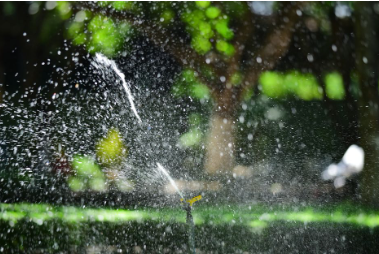
A sprinkler system is easy to forget about when it is doing its job. Water appears where it should, the landscape stays healthy, and the equipment quietly disappears into the background. A damaged head, hidden leak, or pressure problem can change that surprisingly quickly.
For homeowners in Pinellas County, keeping irrigation equipment in good condition is particularly worthwhile because outdoor watering can account for a significant share of household water use. Catching leaks, poor coverage, and malfunctioning components early can help protect the landscape without sending unnecessary water onto pavement or into persistently soggy areas.
Learn What Normal Looks Like
One of the easiest ways to recognize a sprinkler problem is to know how the system behaves when everything is working correctly.
Run each zone occasionally and watch the spray patterns. Heads should rise properly, distribute water where intended, and retract when the cycle ends. The pressure should appear reasonably consistent within each zone, without excessive misting or weak streams.
Changes are often more revealing than complete failures.
A sprinkler that suddenly sprays farther than usual, a head that barely rises, or an area that stays noticeably wetter than the rest of the yard can all point to something worth investigating.
The sooner you notice those differences, the less likely you are to discover the problem only after the landscape begins showing damage.
Recognize When the Problem Runs Deeper
Some symptoms suggest that the visible sprinkler is only part of the story.
Persistent wet areas can indicate an underground leak. Several weak heads may point to pressure or supply problems. A zone that refuses to turn on could involve a valve, wiring, controller, or another component that requires more detailed troubleshooting.
Repeated failures deserve attention as well. Replacing the same head again and again may not solve much if poor positioning, excessive pressure, or another underlying issue keeps damaging it.
If you’re considering sprinkler repair in Pinellas County, a professional evaluation can help identify problems involving buried lines, valves, wiring, pressure, controllers, and other parts of the irrigation system that may be difficult to diagnose from the surface.
The objective should be to determine why the problem is happening rather than repeatedly repairing the most visible symptom.
Start With the Simple Possibilities
Not every irrigation problem requires excavation.
A clogged nozzle can reduce coverage. Grass growing around a sprinkler may interfere with its spray. A tilted head can send water toward pavement instead of plants, while incorrect controller settings can create watering problems even when the physical system is working normally.
Before reaching for a shovel, run the affected zone and observe it closely.
Check whether the head is damaged, blocked, tilted, or buried too deeply. Look for obvious leaks and notice whether nearby sprinklers are experiencing the same problem. If several heads in one zone are weak, the issue may extend beyond an individual nozzle.
A few minutes of observation can prevent an unnecessary repair.
Know Which Repairs Are Reasonable to Handle Yourself
Some sprinkler problems are relatively straightforward when the cause is visible and accessible.
Replacing a damaged head with a compatible model, cleaning debris from a nozzle, correcting spray direction, or carefully raising a sunken head may be manageable for homeowners comfortable with basic maintenance.
Compatibility matters more than it might appear.
Installing a nozzle with a substantially different flow rate or spray pattern can change how evenly the zone applies water. What looks like a successful repair at the sprinkler itself can create dry or oversaturated areas elsewhere.
When replacing components, identify what is already installed and match the relevant specifications rather than simply choosing a part that looks similar.
Watch Where the Water Actually Lands
A sprinkler can technically be working while still doing a poor job.
Water hitting pavement, fences, or other non-landscaped surfaces does little for plants and can indicate that a head needs adjustment. Excessive misting can also suggest that pressure or nozzle selection deserves attention.
Learning a few practical ways to improve sprinkler efficiency can help you recognize issues such as damaged heads, poor spray patterns, and inadequate coverage before they become more disruptive.
Do not judge performance solely by whether water comes out of the sprinkler. Pay attention to whether it reaches the intended area evenly and without unnecessary runoff.
Don’t Assume More Water Means a Healthier Yard
When part of a lawn begins looking dry, increasing the watering time can feel like the obvious solution.
It is not always the right one.
A dry area may be caused by poor coverage rather than an insufficient watering schedule. Extending the entire cycle could leave properly functioning areas overwatered while doing little to correct the original problem.
The opposite can happen with soggy areas. Persistent moisture may indicate a leak, drainage issue, or excessive coverage rather than simply a schedule that needs shortening.
Understanding how to water a lawn more effectively can make it easier to balance plant needs with efficient irrigation.
Before changing the controller, make sure the equipment itself is distributing water properly.
Pay Attention to the Controller Too
Sprinkler heads get most of the attention because they are visible, but the controller determines when and how long the system operates.
Settings can become inappropriate as weather and landscape needs change. Power interruptions, accidental adjustments, or programming errors can also produce watering patterns that look like equipment problems.
Review the schedule periodically rather than assuming that settings established months ago are still appropriate.
If a controller behaves unpredictably, zones operate at unexpected times, or a valve continues running when it should not, investigate before compensating by repeatedly changing the schedule.
Good irrigation depends on both the hardware in the ground and the instructions controlling it.
Build Maintenance Into the Way You Care for the Yard
Sprinkler maintenance does not need to become another complicated household project.
An occasional walk-through while the system is operating can reveal a great deal. Watch each zone, notice changes in coverage, clear vegetation from heads, and investigate unusually wet or dry areas.
After landscaping work or other digging, pay extra attention to nearby irrigation components. Equipment can be shifted or damaged without the problem becoming immediately obvious.
Keeping a basic record of repairs can also be useful. If one zone repeatedly develops leaks or pressure problems, the history may reveal that you are dealing with something more significant than ordinary wear.
Aim for a System You Barely Notice
A well-functioning sprinkler system should not demand much attention.
It should deliver water where the landscape needs it, operate on an appropriate schedule, and do its work without creating puddles, dry patches, runaway spray, or mysterious jumps in water use.
The best approach is to notice small changes early, handle straightforward maintenance when appropriate, and recognize when the problem extends beyond an individual sprinkler head.
When irrigation works properly, it becomes what good home equipment should be: useful, efficient, and pleasantly uneventful.
 Admin
Admin