

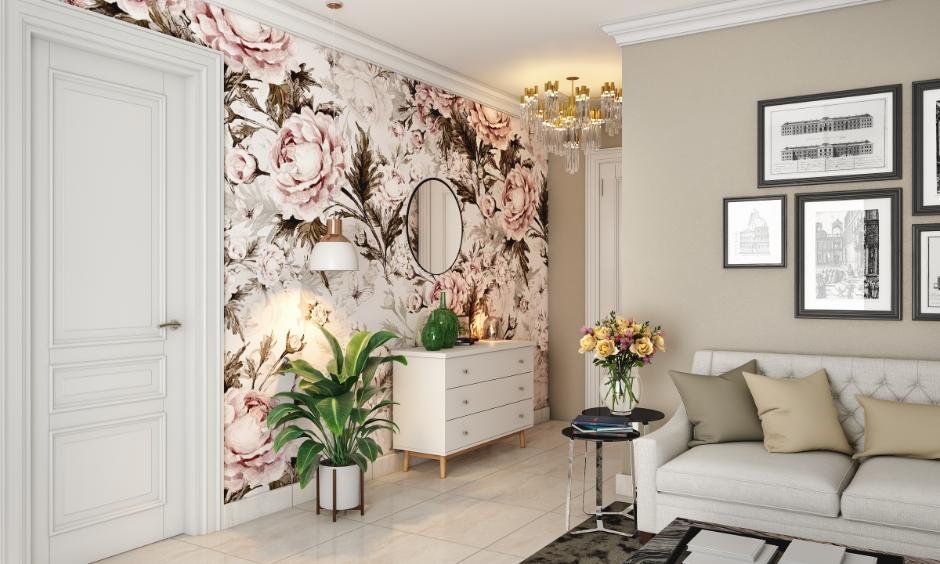
Modern interiors often depend on a careful balance between simplicity and character. Clean furniture, open layouts, natural materials, and restrained decoration can create a polished setting, but rooms can sometimes feel visually flat when every surface follows the same neutral formula. Wallpaper offers a practical way to introduce pattern, texture, and color without requiring major structural changes.
The right design can define a room, create a focal point, soften a stark interior, or give a small space a stronger sense of identity. Contemporary wallpaper is also available in a wide range of finishes, from subtle linen-inspired textures to bold geometric prints. Choosing between them requires attention to the room’s proportions, natural light, existing furnishings, and the atmosphere the interior is intended to create.
Geometric Patterns for a Structured Interior
Geometric wallpaper works particularly well in modern homes because its visual language complements straight lines and uncluttered furniture. Squares, arches, grids, circles, and angular forms can add movement while maintaining a controlled appearance.
A restrained geometric print can work across an entire room, particularly when the colors remain close to the existing palette. For example, a soft gray pattern on an off-white background can provide depth without competing with furniture. Larger geometric designs tend to make a stronger statement and are often better suited to a single feature wall.
The scale of the pattern matters. Small, repeated motifs can make a large room feel more detailed, while oversized shapes can give a compact room a dramatic focal point. Designers often consider the size of furniture and architectural features before selecting the pattern, since wallpaper should work with the proportions already present rather than overwhelm them.
Botanical Prints with a Contemporary Character
Botanical wallpaper does not have to look traditional. Modern interpretations often use simplified leaves, abstract branches, oversized foliage, or monochromatic plant forms. These designs can bring visual softness to rooms dominated by wood, glass, stone, and metal.
Green remains a natural choice for botanical designs, but other color combinations can create a more contemporary effect. Deep blue with muted foliage, charcoal with pale botanical forms, or warm beige with terracotta details can suit modern interiors without making the room feel overly themed.
Bedrooms, reading areas, and dining spaces can benefit from botanical patterns because they provide a sense of movement without relying on highly geometric shapes. In open-plan homes, a botanical feature wall can also help distinguish one functional area from another.
Textured Wallpaper for Subtle Depth
Pattern is not the only way wallpaper can change the character of a room. Textured designs can add depth through surface variation while keeping the overall visual treatment understated. Linen effects, grasscloth-inspired patterns, plaster finishes, woven textures, and fine raised surfaces are among the options available for contemporary interiors.
Textured wallpaper can be particularly useful where a homeowner wants more character but does not want a strong printed design. A neutral textured surface behind a bed, sofa, or dining table can create a defined backdrop while allowing furniture and artwork to remain the primary visual features.
Texture also interacts with lighting. Natural daylight can reveal subtle variations across a wall, while warm artificial lighting may make certain finishes appear deeper or softer in the evening. Samples should therefore be viewed at different times of day before a final selection is made.
Color Choices That Suit Modern Homes
Color has a direct effect on how wallpaper changes the perceived atmosphere of a room. Modern interiors frequently use neutral foundations, but wallpaper provides an opportunity to introduce more character without repainting every wall. When comparing contemporary options, a collection such as SG Wallpaper can also serve as a useful reference for seeing how different patterns, textures, and color families translate into actual wallcovering designs.
Warm neutrals such as sand, taupe, cream, and soft beige can create a calm background and work well with timber furniture. Cooler shades such as slate blue, muted green, and soft gray can give an interior a quieter, more architectural quality. Stronger colors, including navy, forest green, rust, or charcoal, can be used on a feature wall when a room needs greater visual definition.
The existing color scheme should remain the starting point. Wallpaper does not need to match every item in a room, but it should share at least some relationship with the flooring, furniture, curtains, artwork, or architectural finishes. A design that contains one or two colors already present in the room will generally feel more integrated than a completely unrelated print.
Wallpaper in Living Rooms
Living rooms provide considerable flexibility because they often contain enough wall space to accommodate either a subtle all-over design or a more pronounced feature wall. A large-scale pattern can work behind a sofa or media unit, provided the surrounding furnishings are relatively restrained.
For a smaller living room, lighter wallpaper with a modest pattern can maintain a sense of openness. Vertical motifs may also draw the eye upward, making the walls appear taller. Darker wallpaper can work just as effectively when used selectively, particularly in rooms with strong natural light or high ceilings.
Furniture placement should be considered before installation. A dramatic print hidden mostly behind shelving or a large sectional may lose much of its visual effect. The most successful applications usually leave enough uninterrupted wall surface for the design to be seen clearly.
Bedroom Wallpaper That Creates a Calmer Setting
Bedrooms generally benefit from wallpaper designs with softer colors, quieter patterns, or tactile finishes. A wall behind the headboard is a common location because it creates a natural visual anchor without requiring every wall to carry the same design.
Muted blue, sage, warm gray, dusty rose, and earthy neutrals can work well in sleeping areas. Abstract forms and understated botanical patterns can also provide interest without creating excessive visual activity.
A bedroom does not necessarily need a completely plain ceiling and four identical walls. Wallpaper can be used selectively to create zones, frame a bed, or give an otherwise simple room a distinctive character. The choice should remain consistent with the furniture and lighting, especially where the room is intended to feel restful.
Using Wallpaper in Dining and Entry Areas
Dining rooms and entryways can accommodate bolder choices because they are often used for shorter periods than bedrooms or living areas. A dramatic geometric pattern, rich color, or textured finish can make a strong impression without dominating the entire home.
Entry spaces are particularly suitable for wallpaper because the walls establish the visual character of the interior immediately. A narrow hallway can also benefit from a repeating pattern, although the scale should be selected carefully. Very large motifs may appear crowded when viewed across a confined wall.
Dining rooms offer more freedom with darker colors and decorative designs. Deep green, navy, charcoal, or warm terracotta can provide a strong background for wood furniture and warm lighting.
Accent Walls Versus Full-Room Wallpaper
The decision between one feature wall and full-room installation depends on the design itself and the architecture of the space. An accent wall is often the safer choice for a bold pattern or saturated color. It allows the wallpaper to become a focal point while keeping the remaining surfaces visually quiet.
Full-room wallpaper can be more effective with subtle textures, small-scale patterns, and restrained color combinations. When the design is relatively quiet, covering all four walls can create a cohesive interior rather than a single isolated statement.
Architectural details should also influence the decision. Wallpaper can work around alcoves, built-in shelving, fireplaces, and niches, but complicated wall arrangements may require more careful pattern planning to prevent the design from appearing fragmented.
Combining Wallpaper with Other Materials
Modern interiors often combine several materials rather than relying on one finish. Wallpaper can sit comfortably alongside timber, stone, ceramic tile, metal, glass, and painted surfaces when the colors and textures are balanced.
A textured wallpaper paired with natural wood can create warmth in an otherwise minimal room. A geometric print can complement metal fixtures and streamlined furniture. Softer botanical patterns can provide contrast against harder surfaces such as polished stone or concrete.
The key is restraint. When wallpaper already contains a noticeable pattern, the rest of the room can benefit from simpler forms. Conversely, a plain or lightly textured wallpaper gives greater freedom to use patterned upholstery, artwork, rugs, or decorative objects.
Practical Considerations Before Installation
A wallpaper design may look excellent in a sample book but produce a different result once installed across a large wall. Samples should be examined in the actual room, alongside the flooring, furniture, and lighting. This helps reveal changes in color and texture that may not be obvious under showroom lighting.
Pattern repeat is another important consideration. Large or highly directional prints can require more material because sections must be aligned during installation. Walls with windows, doors, niches, or built-in cabinets may also require additional planning.
The condition of the wall matters as well. Uneven surfaces, cracks, or old paint can affect the final appearance, particularly with thinner or smoother wallpaper. Proper preparation can make a significant difference to the finished result.
Finding the Right Balance
Modern wallpaper works best when it responds to the room rather than simply becoming its most noticeable feature. Patterns can establish rhythm, textures can provide depth, and color can influence the overall mood. Each element has a different role, and the strongest interiors usually use them with a clear sense of proportion.
A quiet textured design may be the right choice for a minimalist bedroom, while a bold geometric print could give a living room greater definition. A botanical pattern can soften a contemporary dining area, and a deep neutral can create a sophisticated background for artwork and furniture. For additional examples of how designers approach color, patterns, rooms, and broader interior schemes, House Beautiful’s design inspiration provides a useful editorial reference.
Ultimately, wallpaper gives modern homes another layer of design flexibility. With careful attention to scale, color, texture, lighting, and the surrounding materials, it can turn an ordinary wall into an intentional part of the interior without compromising the clean character that defines contemporary residential design.
 sk news