

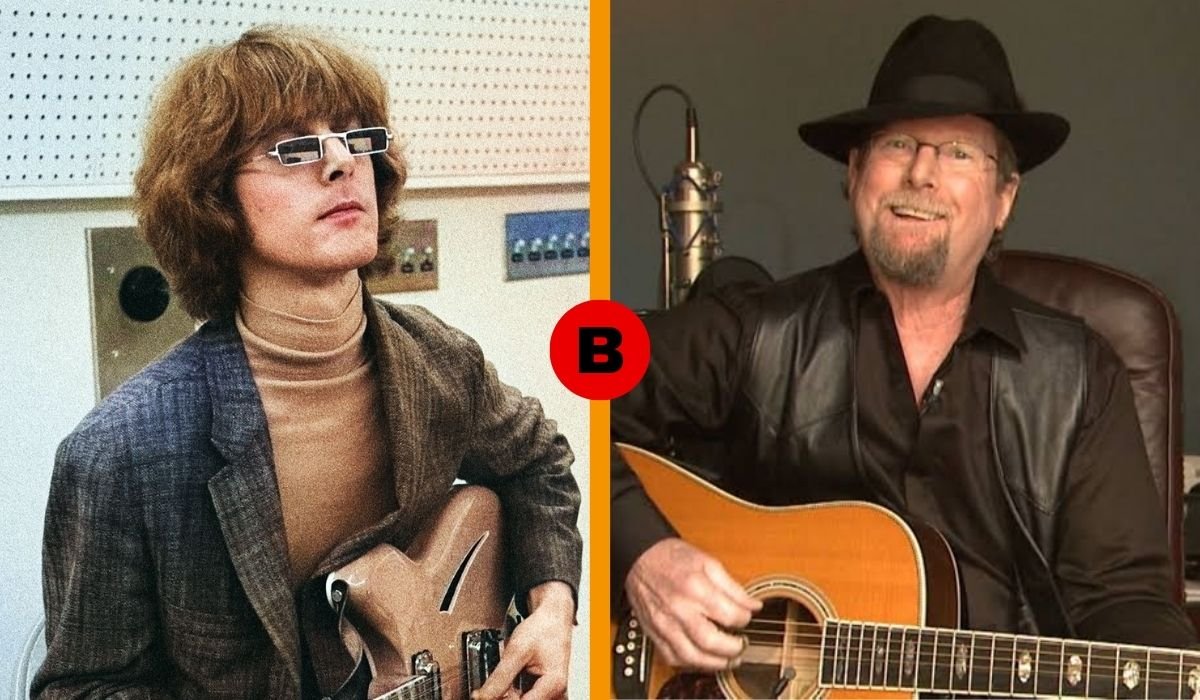
Few musicians have left a mark on American music quite like Roger McGuinn. As the co-founder, lead vocalist, and guitarist of The Byrds, he helped transform the sound of popular music during the 1960s by blending the storytelling of folk music with the energy of rock. His unmistakable 12-string Rickenbacker guitar, thoughtful songwriting, and distinctive voice became defining features of a genre that continues to influence artists around the world.
While many listeners immediately associate Roger McGuinn with timeless classics such as “Mr. Tambourine Man,” “Turn! Turn! Turn!,” and “Eight Miles High,” his career extends far beyond those landmark recordings. Over more than six decades, he has built an impressive legacy as a solo artist, songwriter, music historian, and advocate for glaucoma awareness. His dedication to preserving traditional folk music has earned him respect not only from fellow musicians but also from educators, historians, and fans across generations.
This comprehensive guide explores Roger McGuinn’s biography, tracing his journey from his early years in Chicago to his rise with The Byrds, his successful solo career, his family life, his commitment to preserving folk traditions, and the health advocacy that has become an important part of his public life. Whether you’re discovering his music for the first time or revisiting the career of a folk-rock pioneer, there’s much to learn about the man behind some of rock’s most enduring songs.
Roger McGuinn Quick Bio Information
| Information | Details |
|---|---|
| Full Name | James Roger McGuinn |
| Stage Name | Roger McGuinn |
| Date Of Birth | July 13, 1942 |
| Age (2026) | 84 Years Old |
| Birthplace | Chicago, Illinois, United States |
| Nationality | American |
| Profession | Singer-Songwriter, Guitarist, Musician |
| Famous For | Co-Founder And Leader Of The Byrds |
| Music Genres | Folk Rock, Rock, Country Rock, Psychedelic Rock, Folk |
| Main Instrument | Rickenbacker 12-String Electric Guitar |
| Other Instruments | Guitar, Banjo, Vocals |
| Years Active | Early 1960s–Present |
| Best-Known Songs | “Mr. Tambourine Man,” “Turn! Turn! Turn!,” “Eight Miles High” |
| Hall Of Fame | Rock And Roll Hall Of Fame (With The Byrds) |
| Spouse | Camilla McGuinn |
| Children | Publicly Reported To Have One Son |
| Health Advocacy | Glaucoma Awareness Supporter |
| Official Project | Folk Den Traditional Music Archive |
| Legacy | Pioneer Of Folk-Rock Music |
Early Life And Childhood Of Roger McGuinn
Roger McGuinn was born James Roger McGuinn on July 13, 1942, in Chicago, Illinois, a city with a rich and diverse musical heritage. Growing up there exposed him to a wide range of sounds, including folk, blues, jazz, and the emerging rock and roll movement. Those early influences would eventually shape the musical style that made him famous.
His interest in music developed at a young age, and his family encouraged him to pursue it. Eager to improve his skills, McGuinn enrolled at Chicago’s Old Town School Of Folk Music, where he studied guitar and immersed himself in the traditions of American folk music. The school’s emphasis on storytelling, musicianship, and authenticity left a lasting impression that continued to influence his work throughout his career.
The late 1950s were an exciting time for folk music in the United States. Artists such as Pete Seeger and Woody Guthrie were inspiring a new generation of performers, while Bob Dylan would soon redefine the genre with his poetic songwriting. McGuinn was captivated by the emotional depth and social awareness found in folk songs, appreciating how simple melodies could communicate powerful messages.
At the same time, he was equally fascinated by the excitement of rock and roll. Rather than choosing between the two styles, McGuinn imagined a way to combine them. That creative vision—melding meaningful lyrics with electric instrumentation—would later become the foundation of The Byrds’ groundbreaking sound and one of his greatest contributions to modern music.
How Roger McGuinn Began His Music Career
Long before Roger McGuinn became a household name, he built his reputation through years of hard work as a professional musician. He performed in coffeehouses, clubs, and folk venues, steadily developing both his guitar technique and his confidence as a live performer. Those early experiences taught him how to connect with audiences and refine his stage presence.
McGuinn also found work as a session musician during the early 1960s, contributing to recordings for other artists. Spending time in recording studios gave him valuable insight into music production, vocal arrangements, and the creative process behind successful records. These behind-the-scenes experiences proved just as important as his live performances, preparing him for the opportunities that lay ahead.
Two major influences helped shape his musical direction during this period. The arrival of The Beatles demonstrated how innovative songwriting and modern production could transform popular music, while Bob Dylan’s deeply personal lyrics showed that rock songs could be intellectually engaging as well as commercially successful. McGuinn admired both artists and began exploring ways to combine their strengths with the folk traditions he already loved.
His ambitions eventually brought him to Los Angeles, where the city’s thriving music scene attracted talented performers from across the country. There, he met musicians who shared his interest in creating something fresh by blending folk music with electric rock. Those collaborations would soon lead to one of the most influential bands in music history.
The Byrds And Roger McGuinn’s Rise To Fame
Roger McGuinn’s career took a dramatic turn in 1964 when he joined Gene Clark, David Crosby, Chris Hillman, and Michael Clarke to form The Byrds. Although each member brought unique talents to the group, McGuinn quickly emerged as its musical leader, helping define both its sound and artistic direction.
The band’s breakthrough arrived with their electrified interpretation of Bob Dylan’s “Mr. Tambourine Man.” Released in 1965, the single reached number one in both the United States and the United Kingdom, introducing audiences to a fresh musical style that blended folk songwriting with rock instrumentation. The recording not only launched The Byrds to international fame but also helped bring Dylan’s songwriting to a much wider audience.
Much of the band’s distinctive sound came from McGuinn’s famous Rickenbacker 12-string electric guitar. Its bright, chiming tone became instantly recognizable and remains one of the most influential guitar sounds in rock history. Combined with rich vocal harmonies and carefully crafted arrangements, it gave The Byrds a musical identity unlike any other group of the era.
The success of “Mr. Tambourine Man” was followed by another chart-topping hit, “Turn! Turn! Turn!,” adapted from the biblical Book of Ecclesiastes through Pete Seeger’s earlier arrangement. The song reinforced The Byrds’ reputation for combining timeless lyrics with contemporary music and further established them as pioneers of the emerging folk-rock movement.
As the band evolved, so did its music. Songs such as “Eight Miles High,” “So You Want To Be A Rock ‘N’ Roll Star,” and “My Back Pages” showcased a willingness to experiment with psychedelic rock, country influences, and more adventurous songwriting. These recordings expanded the boundaries of popular music and inspired countless artists who followed.
The Byrds’ influence reached far beyond their commercial success. Their innovative approach helped shape the development of folk-rock, country-rock, and later alternative rock. Musicians including Tom Petty, members of R.E.M., and many others have acknowledged the impact of McGuinn’s guitar style and creative vision on their own work. More than sixty years later, the band’s recordings continue to be celebrated as landmarks in rock history.
Roger McGuinn’s Solo Career And Musical Evolution
After his years with The Byrds, Roger McGuinn entered a new phase of his career that allowed him greater artistic freedom. Rather than trying to recreate the band’s success, he focused on exploring new ideas while remaining true to the musical values that had defined his work from the beginning.
His self-titled solo debut introduced audiences to a more personal style of songwriting, and the albums that followed reflected his broad musical interests. Drawing from folk, rock, country, and traditional American music, McGuinn continued to experiment while maintaining the thoughtful storytelling and skilled guitar playing that had become his trademarks. Although his solo recordings never matched the commercial impact of The Byrds, they earned respect for their artistic quality and sincerity.
Live performance has remained one of the defining aspects of his solo career. McGuinn’s concerts are known for their relaxed atmosphere, blending beloved Byrds classics with traditional folk songs, newer material, and personal stories from his decades in the music industry. His ability to explain the history behind the songs adds depth to each performance, making audiences feel as though they are sharing in a musical conversation rather than simply attending a concert.
One of McGuinn’s most significant achievements outside traditional recording is The Folk Den, an online archive he launched in 1995 to preserve traditional folk music. Through this long-running project, he has recorded and freely shared hundreds of folk songs, helping keep an important part of America’s musical heritage alive for musicians, educators, researchers, and listeners around the world. The initiative reflects his belief that preserving traditional music is just as valuable as creating new work.
Even after more than six decades in the music industry, Roger McGuinn continues to be admired for his dedication to both innovation and tradition. By embracing new technology while honoring the roots of folk music, he has built a career that reaches well beyond his groundbreaking years with The Byrds. His influence remains strong, ensuring that new generations continue to discover and appreciate one of the true pioneers of folk-rock.
Roger McGuinn’s Musical Style And Greatest Influences
Roger McGuinn’s music is instantly recognizable, thanks to a style that successfully brought together two worlds that had rarely been combined before. At a time when folk music was largely acoustic and rock music was becoming louder and more electric, McGuinn saw an opportunity to merge the best of both. That creative vision helped define the Folk-Rock movement and forever changed the direction of popular music.
Perhaps the most recognizable element of his sound is his Rickenbacker 12-String Electric Guitar. Rather than using the instrument in a conventional way, McGuinn paired it with studio compression to create the bright, shimmering tone heard on classic recordings such as “Mr. Tambourine Man” and “Turn! Turn! Turn!”. The result was a distinctive sound that became closely associated with The Byrds and later influenced countless guitarists across rock, alternative, indie, and country music.
McGuinn’s songwriting and musicianship were shaped by a wide range of influences. Traditional folk artists such as Pete Seeger and Woody Guthrie inspired his appreciation for storytelling, while Bob Dylan demonstrated how thoughtful lyrics could reach mainstream audiences. The arrival of The Beatles also had a profound effect on his musical direction, convincing him that folk-inspired songwriting could thrive alongside modern rock production.
Although Roger McGuinn is best known as a guitarist, his contributions extend well beyond his instrument. His clear vocals, carefully arranged harmonies, and willingness to experiment with new musical ideas helped The Byrds develop a sound that was both accessible and innovative. Rather than following trends, McGuinn consistently looked for ways to expand the possibilities of contemporary music while respecting its roots.
His influence remains evident today. Artists including Tom Petty And The Heartbreakers, R.E.M., The Smiths, and many others have acknowledged the impact of McGuinn’s work on their own music. His signature guitar style even helped inspire what later became known as the “jangle” sound, a defining characteristic of several alternative and indie rock bands that emerged decades after The Byrds first rose to fame.
Roger McGuinn’s Personal Life, Marriage, And Family
Despite spending much of his life in the public eye, Roger McGuinn has always maintained a relatively private personal life. Unlike many high-profile musicians, he has generally preferred to let his work speak for itself, rarely sharing extensive details about his family outside of occasional public appearances and interviews.
Roger McGuinn has been married to Camilla McGuinn, who has remained an important part of both his personal life and professional journey. Over the years, she has supported many of his creative projects and has worked alongside him on various musical and educational initiatives. Their long-lasting relationship reflects a stability that has often been rare in the entertainment industry.
Publicly available information indicates that the couple has one son, although McGuinn has chosen to keep most aspects of his family life out of the spotlight. This approach has allowed him to balance an internationally recognized music career with a quieter private life, earning respect from fans who appreciate his commitment to personal privacy.
Away from the stage, McGuinn has developed interests that extend beyond performing and recording. He has long been fascinated by aviation, technology, American history, and traditional culture. Those interests often intersect with his music, particularly through projects aimed at preserving folk traditions and making them accessible to new audiences.
One of the clearest examples of this commitment is The Folk Den, where McGuinn has embraced digital technology to share traditional songs with listeners around the world. His willingness to combine modern tools with historical preservation demonstrates the same curiosity and innovation that have characterized his musical career for decades.
Colleagues and longtime collaborators frequently describe McGuinn as thoughtful, generous, and deeply committed to his craft. Rather than seeking constant publicity, he has focused on creating meaningful music and preserving an important part of America’s cultural heritage.
Roger McGuinn’s Health Journey And Glaucoma Awareness
Roger McGuinn’s public influence extends beyond music through his longstanding efforts to raise awareness about glaucoma, a serious eye disease that can lead to permanent vision loss if left untreated. By sharing his own experience, he has helped encourage people to make regular eye examinations an important part of their healthcare routine.
More than two decades ago, a routine eye examination revealed that McGuinn had elevated intraocular pressure, an early warning sign commonly associated with glaucoma. Like many people diagnosed with the condition, he experienced no obvious symptoms beforehand. The diagnosis came as a surprise and highlighted the importance of preventive eye care.
McGuinn has spoken candidly about how difficult the experience was at first. He has explained that he knew very little about glaucoma when he received the diagnosis and worried about the possibility of losing his eyesight. For someone whose career depended heavily on reading, performing, and traveling, the uncertainty was understandably overwhelming.
Fortunately, early detection made a significant difference. Under medical supervision, McGuinn began daily treatment to lower his eye pressure. The medication has successfully controlled his condition, and his vision has remained unaffected. His experience demonstrates why early diagnosis is so important, as glaucoma often develops gradually and may not cause noticeable symptoms until permanent damage has already occurred.
Motivated by his own experience, McGuinn has become an advocate for regular eye examinations and public education. Through his support of the Glaucoma Research Foundation, he has encouraged people to have comprehensive eye exams, particularly as they grow older or have additional risk factors for glaucoma. He has also praised the organization’s collaborative approach to research, emphasizing that medical progress is strongest when scientists and doctors work together.
Today, Roger McGuinn continues to use his platform to remind people that protecting their vision begins with routine preventive care. His advocacy adds another meaningful chapter to a career already defined by creativity, service, and a willingness to help others.
Awards, Honors, And Career Achievements
Roger McGuinn’s remarkable career has earned recognition from both the music industry and cultural institutions that acknowledge his lasting influence on popular music. While commercial success introduced his work to millions of listeners, it is his artistic contributions that have secured his place among the most respected musicians of his generation.
One of the defining moments of his career came in 1991, when The Byrds were inducted into the Rock And Roll Hall Of Fame. The honor recognized the band’s groundbreaking contributions to Folk-Rock and its lasting influence on rock, country, and psychedelic music. McGuinn’s innovative guitar playing and leadership were central to the band’s success and remain key reasons why their recordings continue to be celebrated.
Beyond his achievements with The Byrds, McGuinn has received widespread praise for preserving traditional folk music through The Folk Den. Since launching the project in 1995, he has created an extensive online archive featuring hundreds of traditional songs, providing an invaluable educational resource for musicians, students, and researchers around the world.
Music historians and critics consistently rank Roger McGuinn among the most influential guitarists in modern music. His signature Rickenbacker sound has inspired generations of performers, while his songwriting and arrangements have become important reference points for artists working across multiple genres.
Perhaps his greatest accomplishment is the enduring relevance of his music. Decades after their original release, songs recorded by The Byrds continue to appear on streaming platforms, radio stations, film soundtracks, and curated playlists. Their continued popularity reflects not only the quality of the recordings but also the lasting impact of McGuinn’s creative vision.
Roger McGuinn’s Lasting Legacy In Folk-Rock Music
Few musicians have influenced the evolution of Folk-Rock as profoundly as Roger McGuinn. His work with The Byrds demonstrated that traditional folk songs and contemporary rock music could exist side by side, creating a fresh sound that resonated with audiences around the world.
Music historians widely credit The Byrds with helping establish several important genres, including Folk-Rock, Country Rock, and Psychedelic Rock. McGuinn’s distinctive guitar playing, combined with thoughtful songwriting and vocal harmonies, became one of the defining characteristics of this musical transformation. His contributions continue to be studied by musicians and celebrated by critics more than sixty years after the band’s breakthrough.
The influence of Roger McGuinn can also be heard in later movements such as Jangle Pop, Alternative Rock, Indie Rock, and Americana. Numerous artists have cited his work as an inspiration, particularly his innovative approach to guitar tone and melodic arrangements. His recordings remain a valuable source of inspiration for both experienced performers and aspiring musicians.
Beyond his artistic achievements, McGuinn has made an equally important contribution by preserving America’s traditional folk music. Through live performances, educational programs, and The Folk Den, he has ensured that songs passed down through generations remain available to audiences worldwide. His dedication to preserving musical history has become one of the defining aspects of his later career.
Roger McGuinn’s legacy is built not only on the songs he helped create but also on the doors he opened for future musicians. His willingness to experiment, embrace new ideas, and remain connected to traditional music has secured his reputation as one of the most influential figures in American music history.
Interesting Facts About Roger McGuinn
Roger McGuinn’s long and successful career is filled with fascinating details that reveal both his creativity and his lifelong dedication to music. Although audiences know him simply as Roger McGuinn, he was born James Roger McGuinn, a name he used before becoming internationally recognized as a member of The Byrds.
His famous Rickenbacker 12-String Electric Guitar has become one of the most iconic instruments in rock history. The bright, ringing tone it produced helped define The Byrds’ signature sound and inspired countless musicians across multiple generations. Even today, many guitarists continue to study his playing techniques and recording methods.
McGuinn has also been an early supporter of using technology to preserve musical traditions. His Folk Den project, launched in 1995, has made hundreds of traditional folk songs freely available online, allowing students, educators, researchers, and music enthusiasts to discover and perform them. The archive reflects his belief that preserving history is an essential part of creating a meaningful musical legacy.
Throughout his career, McGuinn has remained dedicated to live performance. His concerts are known not only for the music but also for the stories he shares about the origins of classic songs, memorable recording sessions, and the evolution of Folk-Rock. These personal insights provide audiences with a deeper appreciation of both the music and the history behind it.
Another defining aspect of his public life is his commitment to glaucoma awareness. After learning he had glaucoma during a routine eye examination, McGuinn chose to speak openly about his experience in hopes of encouraging others to seek regular eye care. His advocacy continues to remind people that early detection can play a vital role in protecting long-term vision.
Taken together, these achievements highlight why Roger McGuinn remains such an admired figure. His influence extends far beyond chart success, reflecting a career built on musical innovation, historical preservation, public service, and an enduring passion for sharing great music with future generations.
Final Thoughts
Roger McGuinn’s story is one of creativity, curiosity, and lasting influence. From his early days studying folk music in Chicago to helping redefine popular music with The Byrds, he has consistently followed his own artistic vision while remaining deeply connected to the traditions that inspired him. His unmistakable guitar sound, thoughtful songwriting, and willingness to explore new musical ideas continue to resonate with listeners decades after his breakthrough.
What makes McGuinn’s career especially remarkable is that his impact hasn’t been limited to hit records. Through projects like The Folk Den, he has worked to preserve traditional American folk songs for future generations, ensuring that an important part of musical history remains accessible to musicians, educators, and fans alike. His dedication to cultural preservation reflects the same passion and authenticity that have defined his work throughout his career.
Roger McGuinn has also used his public platform to encourage greater awareness of glaucoma, sharing his personal experience to remind others of the importance of regular eye examinations. By speaking openly about his diagnosis and treatment, he has helped educate people about a condition that often develops without noticeable symptoms in its early stages.
As of 2026, Roger McGuinn continues to be celebrated as a pioneering musician whose influence can still be heard across Folk-Rock, Country Rock, Indie Rock, and Alternative music. His recordings remain timeless, his innovations continue to inspire new generations of artists, and his commitment to preserving musical heritage ensures that his legacy extends far beyond the stage. Whether remembered for his groundbreaking work with The Byrds, his acclaimed solo career, or his dedication to education and public service, Roger McGuinn’s place in music history is both secure and well deserved.
FAQs About Roger McGuinn
Who Is Roger McGuinn?
Roger McGuinn is an American singer-songwriter, guitarist, and musician best known as the co-founder and longtime leader of The Byrds. He played a central role in creating the Folk-Rock sound that emerged during the mid-1960s by blending traditional folk music with electric rock. His distinctive guitar playing, memorable vocals, and innovative arrangements helped shape classics such as “Mr. Tambourine Man,” “Turn! Turn! Turn!,” and “Eight Miles High.” Beyond his success with The Byrds, McGuinn has enjoyed a respected solo career and has devoted years to preserving traditional folk music through his Folk Den project.
How Old Is Roger McGuinn In 2026?
Roger McGuinn was born on July 13, 1942, in Chicago, Illinois. As of 2026, he is 84 years old. Even after more than six decades in the music industry, he continues to be active through occasional live performances, interviews, educational projects, and efforts to preserve America’s rich folk music tradition. His longevity reflects not only his talent but also his lasting passion for music and learning.
Why Is Roger McGuinn Famous?
Roger McGuinn is widely recognized for helping pioneer the Folk-Rock movement as the driving force behind The Byrds. His innovative use of the Rickenbacker 12-String Electric Guitar created one of the most recognizable sounds in rock history, while his thoughtful musical arrangements introduced a fresh blend of folk storytelling and rock energy. His influence extends well beyond his own recordings, inspiring generations of musicians across Rock, Country, Alternative, and Indie music.
Was Roger McGuinn A Founder Of The Byrds?
Yes. Roger McGuinn was one of the co-founders of The Byrds, alongside Gene Clark, David Crosby, Chris Hillman, and Michael Clarke. Formed in 1964, the band quickly became one of the most influential groups of its era. As lead vocalist on many of the band’s best-known songs and the musician behind its signature guitar sound, McGuinn played a key role in shaping both the group’s identity and its lasting impact on modern music.
What Guitar Does Roger McGuinn Play?
Roger McGuinn is most closely associated with the Rickenbacker 370/12, a 12-String Electric Guitar that became synonymous with The Byrds’ signature sound. By combining the instrument with studio compression and his unique playing style, he created the bright, chiming tone that helped define Folk-Rock during the 1960s. Today, the Rickenbacker 370/12 remains one of the most celebrated guitars in rock history and continues to inspire musicians around the world.
Has Roger McGuinn Spoken Publicly About His Health?
Yes. Roger McGuinn has openly shared his experience with glaucoma, explaining that the condition was discovered during a routine eye examination after doctors detected elevated intraocular pressure. Because the diagnosis came before his vision was affected, daily medication has successfully managed the condition. Since then, he has supported the Glaucoma Research Foundation and has encouraged people to schedule regular comprehensive eye exams, emphasizing that early detection can help prevent permanent vision loss.
Is Roger McGuinn Still Performing?
Yes. Although he performs less frequently than during the peak of his career, Roger McGuinn continues to make select concert appearances and participate in interviews, educational programs, and music-related events. He also remains dedicated to The Folk Den, where he continues sharing traditional folk songs with audiences around the world. His ongoing involvement in music reflects a lifelong commitment to preserving the traditions that have shaped his remarkable career.
What Is Roger McGuinn’s Lasting Legacy?
Roger McGuinn’s legacy reaches far beyond his commercial success with The Byrds. He helped establish Folk-Rock as a major musical genre, influenced the development of Country Rock and Psychedelic Rock, and inspired countless artists with his innovative guitar style. His work to preserve traditional folk music, combined with his advocacy for glaucoma awareness, demonstrates that his contributions extend well beyond the recording studio. Today, he is widely regarded as one of the most influential musicians in American music history.
Learn more and explore exciting content on: Carla Diab Net Worth In 2026: How The Fashion Designer Built Her Fortune