

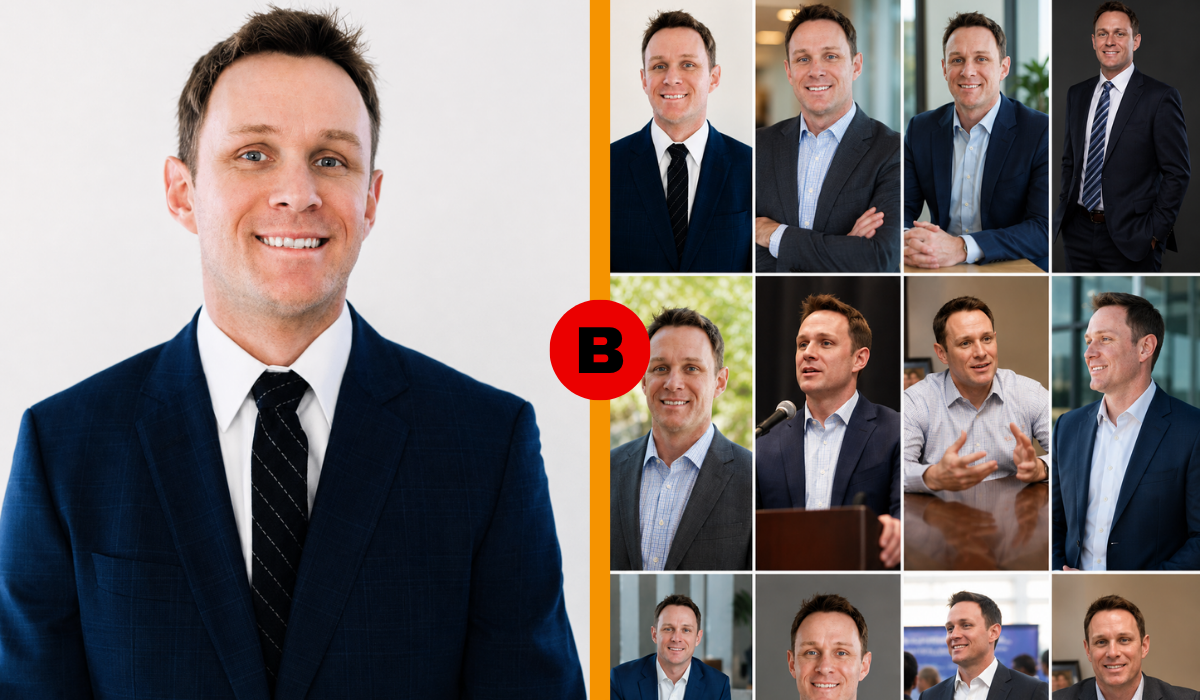
Frank Grace is a technology and information-management executive whose career at the Smart Electric Power Alliance (SEPA) has centered on making technology more useful, adaptable, and strategic. He serves as SEPA’s Vice President of Technology & Information Management, overseeing areas that include technology strategy, data governance, cybersecurity, digital platforms, and emerging artificial intelligence initiatives.
Grace joined SEPA in February 2010. During more than 15 years with the organization, he has helped transform its technology and data infrastructure into a strategic resource designed to support innovation and growth. His work has included enterprise-wide modernization and a shift from legacy systems toward flexible, cloud-based platforms. SEPA’s technology transformation also earned the organization the Fonteva Innovator Award.
His career is particularly relevant as organizations move beyond traditional IT and embrace cloud technology, data-driven operations, and artificial intelligence. Grace’s emphasis on responsible AI and a people-first approach offers a useful perspective on how technology leadership is evolving in 2026.
Quick Bio Information
| Bio Detail | Information |
|---|---|
| Full Name | Frank Grace |
| Current Position | Vice President, Technology & Information Management |
| Organization | Smart Electric Power Alliance (SEPA) |
| Joined SEPA | February 2010 |
| Professional Experience At SEPA | More Than 15 Years |
| Primary Field | Technology And Information Management |
| Technology Focus | Digital Transformation, Cloud Platforms, Data, And Enterprise Systems |
| Current Responsibilities | Technology Strategy, Data Governance, Cybersecurity, And Digital Platforms |
| AI Focus | Responsible AI And Agentic AI |
| Professional Credential | Certified Association Executive (CAE) |
| Salesforce Credentials | 4x Salesforce-Certified, According To SEPA |
| Education | Public Relations And Political Science |
| University | Virginia Tech |
| Residence | Virginia |
| Family | Wife And Two Children |
| Hobbies | Golfing And Exercising |
| Professional Specialty | Association Technology And Digital Innovation |
What Is SEPA?
Before looking at Frank Grace’s career, it helps to understand the organization where he has spent more than 15 years. The Smart Electric Power Alliance, commonly known as SEPA, is a nonprofit organization focused on helping the electric power sector move toward a clean, affordable, and resilient electricity system.
SEPA brings together utilities, technology companies, policymakers, and other stakeholders through research, education, collaboration, and industry engagement. Its work spans areas connected to the changing electricity system and the technologies supporting that transition.
That environment makes technology an important part of SEPA’s own operations. As the organization has grown and its mission has expanded, its digital infrastructure has needed to keep pace. Grace’s career has unfolded alongside that transformation.
Who Is Frank Grace?
Frank Grace is a technology executive specializing in information management, digital transformation, and association technology. At SEPA, his responsibilities go well beyond maintaining conventional IT systems. The organization describes him as a leader who has helped turn its technology and data infrastructure into a strategic asset capable of supporting innovation and scale.
That distinction matters. Modern technology leadership isn’t simply about keeping software and hardware working. It involves deciding how information should be managed, how digital systems should connect, how cybersecurity risks should be addressed, and how new technologies can improve an organization without losing sight of its people or mission.
Grace’s long tenure at SEPA reflects that broader approach to technology leadership.
Frank Grace’s Career Journey At SEPA
Grace joined SEPA in February 2010, beginning a professional relationship that has continued for more than 16 years as of 2026. SEPA says he has used more than 15 years of leadership experience to transform the organization’s technology and data infrastructure.
His earlier roles provide useful context for that progression. In 2017, SEPA identified Grace as its Director of Information Management when it announced that the organization had received the Fonteva Innovator Award for the second consecutive year. A contemporaneous Fonteva case study also identified him as a senior information-management leader involved in the technology implementation.
The progression from information management to his current vice-presidential role illustrates how his responsibilities have expanded alongside SEPA’s technology needs.
Frank Grace’s Role As Vice President Of Technology & Information Management
As Vice President of Technology & Information Management, Grace oversees a broad technology portfolio. SEPA specifically identifies technology strategy, data governance, cybersecurity, and digital platforms among the areas within his expanded role.
In practice, that places him at the intersection of technology and organizational strategy. Decisions about digital platforms can affect how employees work, how information moves through an organization, how stakeholders interact with its services, and how easily the organization can adapt to new demands.
His position therefore represents something larger than traditional IT management. It reflects the growing role of technology as an organizational capability and strategic resource.
How Frank Grace Helped Modernize SEPA’s Technology
Technology modernization is one of the clearest themes in Grace’s SEPA career. The organization says he has led enterprise-wide efforts to move from legacy systems toward more flexible, cloud-based platforms.
That kind of transition can change much more than the software an organization uses. Legacy systems can make information difficult to access, limit reporting capabilities, create disconnected processes, and make growth more complicated. Cloud-based platforms, when implemented effectively, can provide greater flexibility and make it easier to connect systems and support distributed work.
Grace’s earlier work at SEPA shows how that modernization developed in practical terms. During the organization’s Fonteva implementation, SEPA was working to improve access to information, reporting, analytics, and association-management processes.
The Fonteva Innovator Award
Grace’s earlier technology work is closely associated with SEPA’s Fonteva Innovator Award recognition. In November 2017, SEPA announced that it had received Fonteva’s Innovator Award for the second consecutive year for its creative use of Fonteva’s Association Management Software system.
At the time, Grace was SEPA’s Director of Information Management. The organization described him as the person behind 17 months of preparation before the platform rollout, followed by monthly improvements to the system.
The distinction is important: SEPA received the award, not Grace personally. However, SEPA’s own announcement identifies Grace as a central figure in the work that led to the recognition.
The project also illustrates that digital transformation is rarely just a matter of buying new software. It often requires changes to processes, workflows, reporting, and organizational habits.
Technology And Measurable Results
The historical Fonteva case study provides additional detail about the challenges SEPA was trying to address. The organization was dealing with issues including low user adoption, Excel-based analytics, limited dashboards, and labor-intensive data manipulation. The new platform provided real-time reporting and dashboards while giving SEPA a more scalable technology foundation.
The case study reported a 30% increase in event revenue and a 40% increase in event registration following the implementation.
Those figures should be understood in context. They are results reported in the technology vendor’s case study about SEPA’s implementation and should not be treated as independently audited measures of Grace’s personal performance. Still, they provide useful evidence of the type of operational impact SEPA associated with its technology modernization.
Frank Grace And Data Governance
Data governance is another important part of Grace’s current responsibilities. Put simply, data governance is the process of establishing clear practices for managing information so that it remains reliable, secure, accessible, and useful.
For an organization such as SEPA, effective data management can influence reporting, member services, events, communications, research, and strategic decision-making. It also becomes increasingly important as organizations connect more digital systems and begin using AI tools that depend on high-quality information.
SEPA specifically lists data governance among the areas included in Grace’s technology strategy responsibilities.
That helps explain how his position has evolved from information management toward a much broader role in organizational technology and data strategy.
Cybersecurity And Digital Platforms
Cybersecurity is another key responsibility within Grace’s expanded role. SEPA identifies cybersecurity alongside data governance and digital platforms as part of its technology strategy.
The combination makes sense in an increasingly connected digital environment. A platform needs to be accessible and useful, but it also needs to protect information and remain dependable. Security therefore cannot be treated as an isolated technical concern. It has to be considered alongside system design, access, data practices, organizational policies, and everyday operations.
Grace’s position brings these areas together under a broader technology strategy.
Frank Grace And Artificial Intelligence
Artificial Intelligence has become one of the defining issues in technology leadership, and Grace’s current work reflects that change. SEPA says he has been instrumental in positioning the organization as an AI-forward, people-first organization, with an emphasis on deploying technologies such as agentic AI responsibly. The goal, according to SEPA, is to use these advances to augment work and support mission delivery.
Grace’s recent professional development provides additional context. His public professional profile shows that he completed an eight-week MIT Professional Education course titled Applied Agentic AI for Organizational Transformation. He highlighted AI risks and security planning, strategic KPIs, and governance frameworks as important elements of the course.
That background adds substance to SEPA’s description of him as an AI-forward technology leader. His interest isn’t simply in adopting new tools; it also involves the governance, security, and organizational questions that come with increasingly capable AI systems.
A People-First Approach To Technology
The people-first element of Grace’s technology leadership is especially relevant as organizations begin experimenting with more autonomous AI systems.
New technology can only deliver lasting value when employees understand it, trust it, and know how to use it effectively. The same is true for members and other stakeholders who interact with an organization through digital platforms.
Grace’s current role therefore involves balancing innovation with responsibility. SEPA wants to take advantage of emerging technologies while ensuring those technologies support its people and its mission.
That approach is increasingly important in 2026, when organizations are being asked to evaluate not only what AI can do, but also whether it is secure, practical, governable, and genuinely useful.
Frank Grace’s Professional Certifications And Expertise
Grace’s professional credentials reinforce his experience in both association management and enterprise technology. SEPA identifies him as a Certified Association Executive (CAE) and a 4x Salesforce-certified leader.
His public professional profile also reflects continued development in AI and Salesforce technologies. That includes his recent MIT Professional Education course focused on agentic AI and organizational transformation.
The combination is notable. Association technology requires technical knowledge, but it also requires an understanding of how member-based organizations operate. Grace’s CAE credential complements his long experience in the association sector, while his Salesforce background aligns with the technology systems involved in SEPA’s earlier modernization efforts.
Frank Grace As A Voice In Association Technology
Grace’s influence extends beyond his internal responsibilities at SEPA. The organization describes him as a sought-after speaker on the future of association technology.
His professional activity also reflects an interest in the wider implications of AI and digital transformation. His recent work and public commentary have focused on practical applications of agentic AI, governance, security, and organizational change.
That broader engagement gives his career another dimension. He isn’t simply managing technology for one organization; he is also participating in wider conversations about how associations can approach a rapidly changing technology landscape.
Frank Grace’s Education At Virginia Tech
Grace holds a degree in Public Relations and Political Science from Virginia Tech. SEPA confirms this educational background in his official biography.
His academic background is interesting because it isn’t centered on a traditional computer science discipline. Instead, it combines communication and political science, areas that can provide useful skills for stakeholder engagement, organizational communication, and understanding how institutions function.
Those skills can be valuable in senior technology leadership. Digital transformation requires more than technical implementation; it also depends on communicating change, building organizational support, and helping people understand why new systems and processes matter.
Frank Grace’s Leadership And Professional Philosophy
The strongest thread running through Grace’s career is the idea that technology should serve a larger organizational purpose. His work has touched modernization, cloud platforms, information management, data governance, cybersecurity, digital systems, and AI.
His current emphasis on responsible AI adds another layer to that approach. Rather than treating innovation as an end in itself, his role at SEPA is framed around using technology to augment people’s work and strengthen the organization’s ability to deliver its mission.
That perspective is particularly relevant in 2026. Technology leaders increasingly have to ask not only whether a new system or AI tool is impressive, but whether it is secure, manageable, useful, and appropriate for the people expected to work with it.
Frank Grace’s Life Outside SEPA
Most of the publicly available information about Grace concerns his professional career, but SEPA’s official biography also provides a brief look at his personal life. He lives in Virginia with his wife and two children. Outside work, he enjoys golfing and exercising.
There is relatively little verified public information about his family or private life. That makes it important to keep this part of his biography grounded in confirmed information rather than filling gaps with speculation.
For a professional profile, that restraint is useful. Readers can learn about the person without turning limited personal information into unsupported claims.
Frank Grace’s Career And Impact At SEPA
Grace’s impact at SEPA is best understood through the organization’s broader technology evolution. Since joining in 2010, he has worked through major changes in digital technology while taking on increasingly senior responsibilities.
His earlier work involved association-management technology and the modernization of SEPA’s systems. His current position covers technology strategy, data governance, cybersecurity, digital platforms, and responsible AI.
Taken together, those responsibilities show how technology has moved from a supporting function to a strategic capability within SEPA. That shift is particularly significant for an organization operating in the rapidly changing electricity sector, where collaboration, information, digital tools, and emerging technologies all play an increasingly important role.
Final Thoughts
Frank Grace’s career offers a useful example of how the role of a technology executive has changed. His work at SEPA is no longer simply about maintaining systems. Since joining the organization in 2010, he has been involved in a long-term transformation encompassing cloud platforms, information management, data governance, cybersecurity, digital systems, and Artificial Intelligence.
His earlier work with Fonteva shows the practical side of that transformation. SEPA received recognition for its innovative use of association-management software, while the related case study reported increases in event revenue and registration after the implementation. Those figures should be understood as reported results from the case study, rather than independently audited measures of Grace’s individual performance.
What makes Frank Grace particularly relevant in 2026 is the combination of long-term technology experience and an increasingly sophisticated focus on AI. His recent education in agentic AI, together with his attention to governance and security, points toward an approach that looks beyond the excitement surrounding new technology.
For readers interested in Frank Grace, SEPA, association technology, digital transformation, or AI leadership, his career provides a practical example of technology evolving from a back-office function into a strategic part of an organization’s mission.
Frequently Asked Questions About Frank Grace
Who Is Frank Grace?
Frank Grace is the Vice President of Technology & Information Management at the Smart Electric Power Alliance. He joined SEPA in February 2010 and has spent more than 15 years helping transform its technology and data infrastructure. His current responsibilities include technology strategy, data governance, cybersecurity, digital platforms, and AI initiatives.
What Is Frank Grace’s Role At SEPA?
Grace oversees SEPA’s technology and information-management strategy. His responsibilities include data governance, cybersecurity, digital platforms, and enterprise-wide technology modernization. His position connects SEPA’s technology decisions with its broader organizational and mission requirements.
When Did Frank Grace Join SEPA?
Frank Grace joined the Smart Electric Power Alliance in February 2010. As of 2026, he has been with the organization for more than 16 years. SEPA says he has used more than 15 years of leadership during his tenure to transform its technology and data infrastructure.
What Is Frank Grace Known For?
Grace is known for his technology leadership at SEPA, particularly in digital modernization, cloud-based platforms, information management, data governance, cybersecurity, and association technology. His earlier work also played an important role in SEPA’s Fonteva implementation, which earned the organization the Fonteva Innovator Award.
Does Frank Grace Work With AI?
Yes. SEPA says Grace has helped position the organization as an AI-forward, people-first organization, with an emphasis on using technologies such as agentic AI responsibly. His professional profile also shows recent AI-focused education through MIT Professional Education.
What Certifications Does Frank Grace Have?
SEPA identifies Grace as a Certified Association Executive (CAE) and a 4x Salesforce-certified leader. His professional profile also documents recent AI-focused professional development, including the MIT Professional Education course on Applied Agentic AI for Organizational Transformation.
Where Did Frank Grace Study?
Frank Grace studied Public Relations and Political Science at Virginia Tech. His academic background combines communication and institutional studies with the technology and information-management expertise he later developed professionally.
Is Frank Grace Married?
According to SEPA’s official biography, Frank Grace lives in Virginia with his wife and two children. The organization doesn’t provide extensive additional information about his family, so further personal claims should be treated cautiously unless they can be independently verified.
Learn more and explore exciting content on: Donna Sicuranza Biography: Her Early Life, Career, Marriage, and Family