

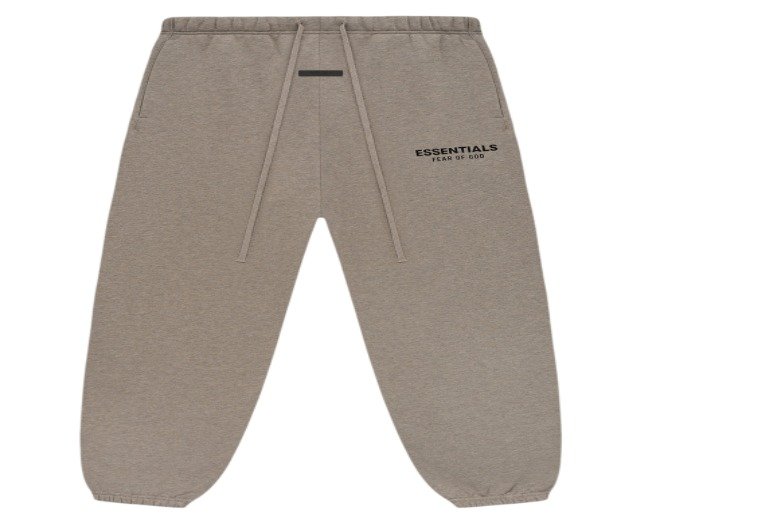
Minus twenty-two outside, baseboard heaters flat out since November, and the washer has just finished. Out come a pair of heavy cotton fleece sweatpants weighing about double their dry weight, and there’s nowhere obvious to put them. The balcony’s no help — hang anything out there in February and it freezes into a stiff grey plank inside half an hour. Meanwhile the label sewn into them, same wording as the one in the Essentials Hoodie you ordered back in November, cheerfully suggests tumble dry low, which is advice from a different planet when the building’s laundry is two floors down and always busy. So the rack comes out. A day and a half later the bathroom smells like a crawlspace.
The air is already bone dry, so why is this slow?
This bit confuses people. Winter heating drags indoor humidity down under thirty per cent for weeks, which is why your lips crack and the floorboards gap. Thirsty air should be ideal for laundry.
Trouble is, the air’s appetite was never the bottleneck. Fleece is built to trap still air against your skin, that brushed inner face is a thicket of raised cotton fibres, and water parks in there where nothing moves. Dry air a metre away does nothing for a wet thigh panel — the stagnant layer sitting right on the fabric has to be shoved off and replaced, over and over, and a quiet room never does it.
Which is why a fan beats a hot room.
Draping them on the heater is worse than it looks
Everyone does it. The baseboard unit’s right there under the window, it’s warm, the pants are wet, and the logic writes itself. But electric baseboards in Canadian rentals carry a printed clearance warning for exactly this reason: cloth over the fins traps heat in a thing built to shed it upward.
There’s a fabric argument alongside that. Cotton fleece dried hard against hot metal goes stiff and papery where it touched, while the waistband a few centimetres over sits properly wet. And the elastic in the cuffs hates sustained direct heat — brittle, then slack, and a loose cuff never comes back. Old radiator pipes do it slower, same result.
A rack routine that gets them dry by morning
Four minutes of real effort, spread out. It’s the difference between overnight and Sunday evening.
- Run a second spin before they leave the machine. It’s free mechanical water removal and it pulls a surprising amount of weight out of the legs.
- Flat on a bath towel, roll the lot up like a sleeping bag, lean on it with both hands. The towel comes out damp, the fleece noticeably lighter.
- Hang each leg over its own rail rather than folding the pair over one — a doubled fold is four layers of wet fleece pressed together, still wet tomorrow night.
- Set the rack a metre or so from the heat, never on it, with a small fan aimed low at the legs.
- Flip them inside out around halfway so the brushed face gets its turn in the airflow.
- Pinch the waistband and cuff seams last — those thick spots stay damp long after the flat panels feel done, and they’re what starts the smell.
Where that basement smell comes from
It isn’t the pants. It’s time.
Fabric left damp in stagnant air for a day starts growing things, and the musty note off a thick seam is the by-product, not dirt the wash missed. February compounds it, because the water coming off your laundry has to land somewhere, and in a sealed apartment it picks the coldest surface going — the window, then the sill, then the paint. Water running down the glass was in your sweatpants.
So run the bathroom fan while the rack’s going, and crack a window ten minutes at a stretch. Wet clothes over a chair back in a closed bedroom is how the duvet ends up smelling off too.
The dryer solves the wrong problem
A machine cycle takes ninety minutes and clears all of this up, and plenty of people will tell you to stop overthinking a pair of pants. Fair enough. But heavy cotton fleece is where a hot tumble costs you something visible: cotton shrinks most on its first proper hot dry, mostly in length, so the inseam comes back short and the cuff that sat on your boot now sits above it. A pair of Essentials Hoodies with Sweatpants starting around C$106 isn’t something to shorten by accident in week two.
Tumbling’s rough on the brushed interior too — fleece abrading against fleece for an hour, flatter and more pilled each round. Blends carrying some synthetic cope better, so read what you actually bought. Cotton-heavy? Rack it.
No rack, no time? Short low-heat tumble, pulled while the pants are still clearly damp, finished off in front of the fan. Twenty minutes, not ninety. The damage happens at the tail of a hot cycle, when the fabric’s already dry and still cooking.
What to do the night before you need them
Wash them in the evening rather than at eleven at night, so the overnight window with the fan is yours. Two pairs in rotation fixes this permanently, which sounds like a sales pitch and isn’t — one pair of fleece pants in a Canadian February is always either on your legs or on the rack.
Also, fleece doesn’t need washing as often as a tee. Spot-clean a splash, hang them overnight, wear them again.
Frequently Asked Questions
How long should a pair actually take on a rack?
In a heated apartment with no fan, plan on a full day, and thirty-odd hours if the room’s crowded and the legs are folded over one rail. Fan on them, legs separated, overnight is realistic. Waistbands finish last.
Is it ever safe to dry them over a baseboard heater?
No — treat it as a hard line, not a preference. Those units shed heat upward through open fins, and covering them defeats the design. Near the heat is fine. On it isn’t.
They shrank in the dryer. Can I send them back?
Afraid not. The thirty-day window only covers items nobody has worn or washed, labels still on, and you have to ask for an authorization number before anything goes in the post — parcels arriving without one get refused. A laundry accident sits on your side of that. What the policy genuinely covers is a pair that turns up damaged, and there you’ve got a week from delivery to flag it.
None of this is complicated, just unfamiliar if you grew up with a dryer downstairs. Second spin, a towel, two rails, a fan pointed low, heater left alone to do its own job. That’s three Februarys out of a pair instead of a shorter inseam by March.