

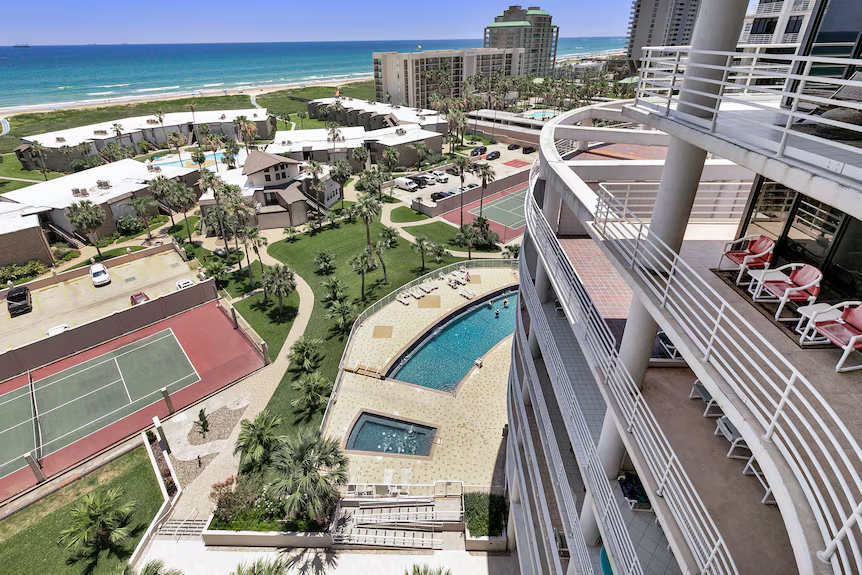
Booking a beachfront condo on South Padre Island sounds simple until you start comparing floor levels, balcony views, and how close you want to be to the pool deck. Those choices affect your days in ways glossy listing photos will not show. The direction your balcony faces changes how hot your mornings and afternoons feel. Your floor height influences wind on the balcony, elevator wait times, and how easily you can carry beach gear. Your proximity to gates, boardwalks, and hot tubs adds convenience but can amplify foot traffic and noise. Here is a practical way to weigh the trade offs before you commit to a tower and a specific unit.
Gulf vs. Bay Views: What the Sun Really Feels Like
On a barrier island, orientation is not cosmetic. Gulf facing balconies catch sunrise and see steadier morning light, which can be ideal for coffee and quiet reading. By mid afternoon, these same spaces often feel more temperate than west facing exposure. Bay facing or west facing units flip that experience: they are gentler at breakfast but can be bright and warm late in the day, which may push you indoors unless the unit has deep shade, ceiling fans, or reflective film on the sliding glass doors. If your group includes nappers or a toddler, think about when you need shade most, then align the view accordingly.
Listings sometimes use broad labels like “ocean view” or “partial view,” which can mask whether a balcony is angled toward the Gulf of Mexico, the Laguna Madre Bay, or a side corridor. Scan photos for the sun’s angle, study tower site maps, and compare floor plans on reputable sources such as South Padre condos by Saida Towers to understand real orientation. If you fish at first light, a direct Gulf view is a perk. If you collect sunsets, a bay or angled view can be worth the afternoon heat, provided the living area has blackout curtains and good air conditioning.
Wind and Balcony Use Above the Dunes
South Padre’s sea breeze is part of the charm, but wind behaves differently by floor. Higher floors enjoy bigger panoramas and fewer mosquitoes, yet they also feel stronger gusts. That can rattle balcony furniture, make grilling impossible where prohibited, and increase strain on sliding door tracks. Lower floors are more sheltered and tend to be more comfortable for dining al fresco, though they pick up more sand. If you plan to spend hours on the balcony, ask about furniture weight, whether there is a ceiling fan outside, and how tight the sliders seal. The right setup can turn a breezy deck into a living space rather than a wind tunnel.
Wind also changes how you use the beach entrance. On gusty days, carrying canopies or paddleboards up from the shoreline is easier from a floor that allows you to pivot to the stairs. Middle floors often offer that compromise: good views with a quick escape to a stairwell when elevators are crowded or salt spray makes multiple trips less practical.
Elevators, Stairs, and Peak Time Flow
High rise stays come with rhythms. Check in afternoons and checkout mornings produce elevator queues, especially when large luggage carts and coolers share the ride. Families with strollers or guests with mobility concerns should ask how many elevators serve the tower, where stairwells are located, and whether the parking level connects directly to the lift lobby. On busy weekends, a seventh floor unit can be a sweet spot: high enough for vistas but still realistic for an adult who can comfortably use stairs while someone else waits with the cart.
Consider evacuation and nightly routines too. If your group returns from dinner at the same time as everyone else, a middle floor shortens delays. If you are on a very high floor, factor in a few extra minutes in your schedule for elevator calls and allow for maintenance downtime, which is normal in coastal buildings with heavy seasonal use.
Being Near Amenities: Convenience Versus Noise
Proximity to features like the pool deck, hot tubs, tennis or pickleball courts, grill stations, and the beach access gate is a real quality of life decision. Staying directly above these amenities makes quick dips, grilling, and gear runs effortless. It also concentrates people below your balcony and can carry sound upward, especially when music or conversations bounce off concrete surfaces. If you turn in early or have light sleepers, choose a stack that faces away from the busiest amenities or request a unit a few floors above the activity zone so the hum fades to background.
Foot traffic near the dune crossover and beach gate can be a double edged sword. Ground level and first tier floors mean fewer steps with umbrellas and coolers, which is a win with kids. The trade off is seeing more comings and goings. If privacy on the balcony matters, ask whether your line of units overlooks a gate, a grill area, or a quieter landscaped section. A small shift in stack can completely change what you hear and see.
Seasonal Patterns That Change the Equation
South Padre’s crowd profile moves with the calendar. Spring brings student groups and louder pool decks. Summer leans toward families with peak elevator times around breakfast and late afternoon. Shoulder seasons are calmer, and winter months draw visitors staying for extended periods who favor bay sunsets and mild midday walks. Your floor and orientation preferences may shift with those patterns. During lively weeks, a higher floor away from the main pool curbs noise; in quieter months, being closer to the deck and gate can be wonderfully convenient. Occasional fireworks or events along the bay mean west facing balconies may enjoy sky shows, while Gulf facing units capture sunrise colors even outside the main season.
Weather also interacts with schedules. In warmer months, plan midday breaks in west facing living rooms with blackout shades to keep the space cool. On blustery days, pick morning balcony time on sheltered lower floors and reserve high floor sunset photos for calmer evenings. If you are scheduling remote work, verify that the unit has solid WiFi near the balcony door so you can shift indoors if gusts pick up.
Unit Details That Matter More Than You Think
Two units on the same floor can feel different because of small details. Blackout curtains tame late day glare in west facing rooms. Ceiling fans extend balcony time when winds are light. Deep balcony overhangs change whether rain or direct sun reaches the seating area. Tile near the entry catches sand better than carpet, and a bench by the door simplifies returns from the beach after rinsing your feet. Ask for a floor plan, confirm where the sun hits in the afternoon, and look for photos that show the slider track and balcony depth, not just the view.
Think through your daily flow too. If you carry fishing rods, a middle floor near a stairwell might be easier than waiting for a crowded elevator. If someone naps midday, a Gulf facing stack avoids late afternoon brightness. For families, being near the pool gate saves steps but select a unit high enough that the afternoon DJ does not become your soundtrack. And for everyone, rinse at the outdoor showers to keep sand out of hallways and sliders running smoothly throughout the stay.
Putting all this together is less about chasing the ideal unit and more about matching a floor and orientation to how your group actually lives. Decide when you value shade versus sun, how much balcony time you want, and whether convenience beats quiet on this trip. Review photos for angles and overhangs, ask targeted questions about elevators, stairwells, and amenity proximity, and confirm practical details like blackout curtains and balcony furniture. With those specifics in hand, your South Padre condo will fit the way you use it, not just the way it looks in a listing, and the trade offs will feel like choices instead of surprises.
 Admin
 IQ newswire
 Prime Star